
2021 Commercial Trucks For Sale in New Jersey
Browse 2021 trucks for sale in New Jersey, including light, medium, and heavy-duty models for delivery, towing, vocational, and fleet use.
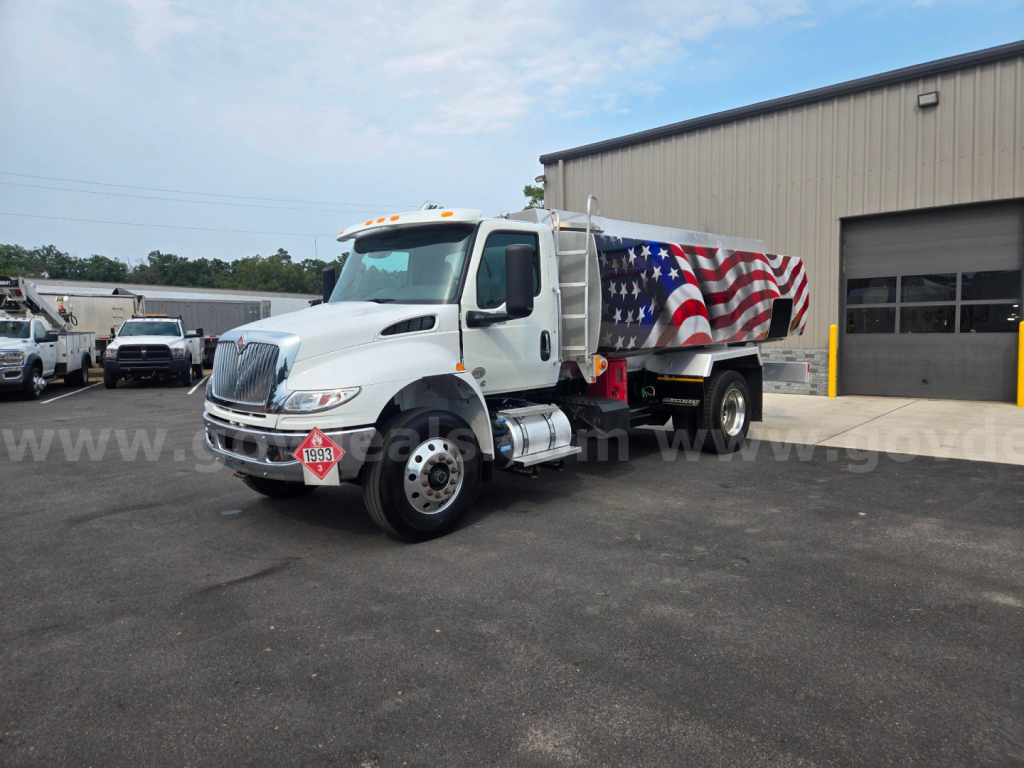
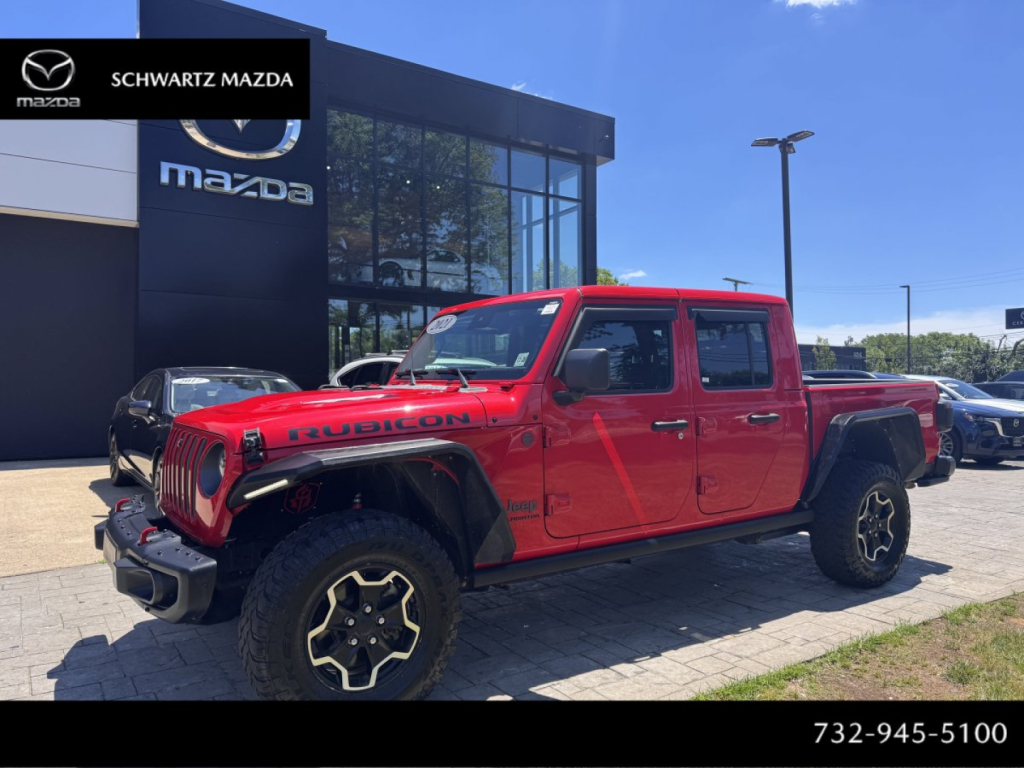
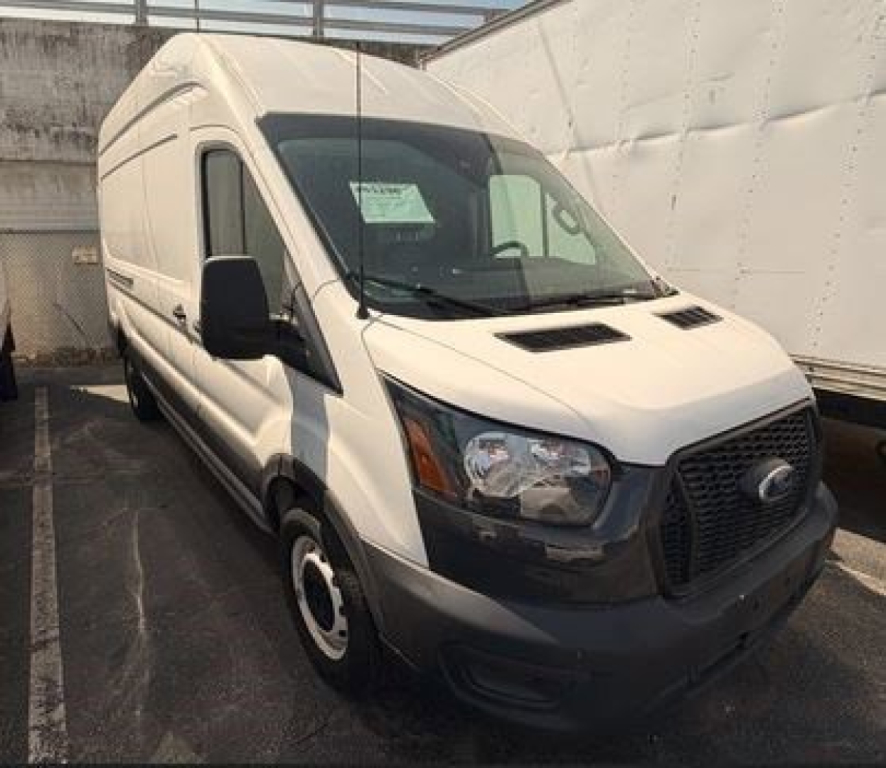
Have 2021 commercial truck to sell? List it here to reach thousands of buyers.
2021 Commercial Trucks in New Jersey
The first decision is truck type and duty cycle. Medium-duty 2021 trucks are common in box truck, rollback, landscape, reefer, utility, and flatbed applications, often with GVWRs from 19,500 to 33,000 pounds. Heavy-duty 2021 trucks cover day cabs, sleepers, dump trucks, roll-off trucks, tow trucks, and tractor configurations, typically with diesel engines from Cummins, PACCAR, Detroit, Volvo, or Mack paired with Allison automatics, Eaton manuals, or automated manuals. If the truck is body-equipped, pay close attention to wheelbase, rear axle rating, PTO setup, and body manufacturer specs because those details determine payload, upfit compatibility, and serviceability.
For buyers comparing 2021 used trucks, condition is more important than badge alone. Look at engine hours, idle time, maintenance records, aftertreatment history, brake and tire condition, suspension type, and signs of corrosion, especially on frame rails, crossmembers, hoists, and underbody components in Northeast service. New Jersey buyers should also check bridge-law fit, axle spread, and maneuverability for urban routes, port access, and tight industrial sites. On medium-duty units near non-CDL thresholds, GVWR can be a major buying factor, especially 25,950 to 26,000 pound configurations designed to maximize payload while avoiding CDL requirements in certain applications.
A well-matched 2021 truck should balance emissions-era reliability, body spec, and operating cost. Buyers should verify engine family, transmission model, axle ratio, suspension, fuel tank capacity, and any fleet technology already installed such as backup cameras, collision mitigation, or onboard diagnostics reporting. If the truck is intended for multi-stop delivery, low cab entry, visibility, and turning radius may matter more than raw horsepower. If it is headed into towing, construction, or roll-off work, frame strength, PTO performance, front axle capacity, and vocational gearing usually matter more than appearance. The best 2021 truck is the one whose spec matches the route, payload, and uptime demands of the job.
Frequently Asked Questions about 2021 Commercial Trucks in New Jersey
What should I look for when buying a 2021 used truck in New Jersey?
Focus on service records, engine hours, idle hours, emissions system history, brake and tire condition, and signs of rust or corrosion from Northeast operation. In New Jersey, it is also important to confirm the truck fits local route demands, including bridge restrictions, tight urban turning requirements, and port or industrial access. If the truck has a body or vocational equipment installed, review the PTO setup, hoist operation, wheelbase, and axle ratings to make sure the truck matches the intended work.
Is a 2021 truck new enough to have current technology and safety features?
Yes. Many 2021 trucks include modern telematics capability, backup camera provisions, collision mitigation systems, lane departure alerts, improved dash electronics, and more advanced engine and transmission programming than older models. Availability varies by make, class, and trim level, but 2021 is generally recent enough to offer fleet-friendly technology while still giving buyers a broader price range than very late-model trucks.
Are 2021 medium-duty trucks available in non-CDL configurations?
Many 2021 medium-duty trucks were built with GVWR ratings around 25,950 or 26,000 pounds to support non-CDL operation in certain applications. These are common in box trucks, delivery vans, rollback carriers, and landscape or contractor bodies. Buyers should still confirm the exact GVWR on the door tag, body weight, payload capacity, and any state or job-specific licensing requirements before purchase.
How important is emissions system history on a 2021 diesel truck?
It is very important. A 2021 diesel truck will typically use modern aftertreatment components such as EGR, DPF, and SCR systems, and repair costs can be significant if maintenance has been deferred. Buyers should ask for fault code history, recent repairs, regeneration patterns, and any records for sensors, injectors, dosers, or DPF cleaning. A truck with documented emissions maintenance is usually a safer bet than one with incomplete records.
What specs matter most when comparing different 2021 trucks for sale?
The most important specs depend on the application, but the core items are GVWR or GCWR, engine horsepower and torque, transmission type, axle ratio, wheelbase, suspension, front and rear axle ratings, and body or upfit dimensions. For vocational trucks, PTO compatibility, frame strength, and hydraulic equipment matter. For delivery and regional work, cab ergonomics, turning radius, fuel capacity, and visibility often have a bigger impact on operating efficiency.