
2021 Commercial Trucks For Sale in Alabama
Browse 2021 trucks for sale in Alabama, including day cabs, dump trucks, and vocational Class 8 models with common specs and buyer guidance.
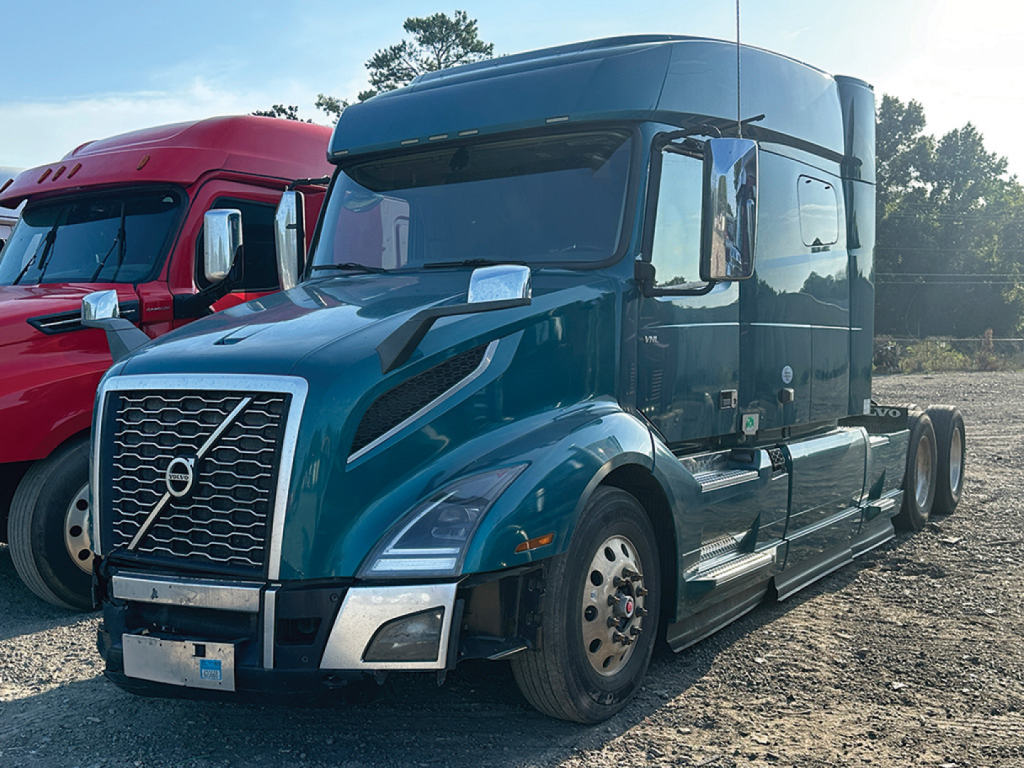
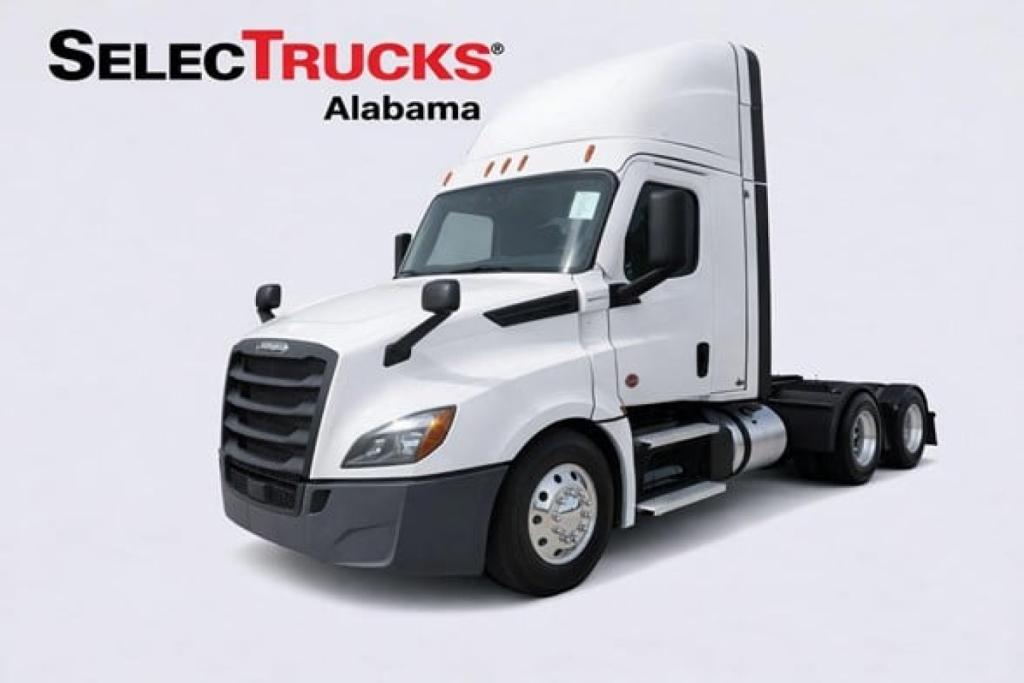
Have 2021 commercial truck to sell? List it here to reach thousands of buyers.
2021 Commercial Trucks in Alabama
For highway and regional use, many 2021 trucks are built around tandem axle 6x4 layouts, diesel engines in the 400 to 605 horsepower range, and manual, automatic, or AMT transmissions. Day cabs are common for short-haul and port work where sleeper space is unnecessary and maneuverability matters. Key specs to compare include rear axle ratio, front and rear axle ratings, fifth wheel type, wheelbase, and suspension design. Air ride suspension is common on road tractors for ride quality and cargo protection, while heavier vocational trucks may use spring suspension for durability under severe service. If the truck will pull heavy loads or operate on mixed terrain, engine brake performance, transmission gearing, and frame spec deserve close attention.
For dump and vocational applications, 2021 trucks often use high-GVWR Class 8 chassis, heavier front axle ratings, and severe-duty components designed for jobsite use. A buyer in Alabama should pay attention to body material, axle capacity, steering axle rating, and whether the truck is configured as tandem or tri-axle. Steel dump bodies remain common where impact resistance matters, while aluminum wheels can help trim weight. Automatic transmissions, especially Allison-equipped setups, are popular in stop-and-go vocational work because they reduce driver fatigue and improve consistency. Wheelbase is also critical. A shorter wheelbase generally improves maneuverability on tighter sites, while a longer spec can help with body fit and load distribution.
Condition and configuration matter more than model year alone. On any 2021 truck, buyers should review mileage, idle time if available, maintenance history, brake and tire condition, aftertreatment service records, and signs of frame or suspension wear. In Alabama’s climate, corrosion is usually less severe than in northern states, but vocational trucks still need close inspection around hoists, crossmembers, body mounts, and hydraulic components. If the truck is intended for interstate freight, confirm bridge-law friendly axle spacing, fuel capacity, and ratio selection. If it is headed into construction, aggregate, or municipal work, focus on PTO setup, body compatibility, and front axle capacity. A well-spec'd 2021 truck can still offer strong service life, solid driver appeal, and lower acquisition cost than a newer replacement unit.
Frequently Asked Questions about 2021 Commercial Trucks in Alabama
What should I look for first when buying a 2021 truck in Alabama?
Start with the intended application. A 2021 day cab for regional freight needs a different spec than a 2021 dump truck for construction or aggregate work. Focus first on axle configuration, wheelbase, suspension, horsepower, transmission type, and axle ratings. After that, review maintenance records, mileage, tire and brake condition, and any available engine or aftertreatment service history. In Alabama, buyers often prioritize versatility for mixed on-road and vocational use, so the truck’s original spec matters as much as its age.
Is a 2021 truck old enough to be a value buy but new enough for modern fleet use?
Yes. For many buyers, 2021 trucks sit in a useful part of the market because they are modern enough to offer current cab layouts, electronic safety features, and newer powertrain technology, but they may cost noticeably less than late-model replacements. The value depends on miles, hours, maintenance quality, and application. A well-maintained 2021 truck with the right drivetrain and axle spec can still have strong remaining service life in both highway and vocational duty.
What are common specs on 2021 Class 8 trucks?
Common 2021 Class 8 truck specs include tandem axle 6x4 drivetrains, diesel engines in roughly the 400 to 605 horsepower range, front axle ratings from about 12,000 to 20,000 pounds depending on use, and rear axle ratings around 40,000 to 46,000 pounds or more on vocational models. Buyers will also see air ride suspension on road tractors, spring suspension on heavier vocational trucks, and transmission choices that include manual, AMT, and full automatic setups. Wheelbase, rear ratio, and frame specification can vary widely based on the truck’s intended job.
Are automatic and AMT transmissions common on 2021 trucks?
Yes. By 2021, automatic and automated manual transmissions were well established across many truck segments. AMTs are common in highway tractors because they improve fuel efficiency and reduce driver fatigue while still offering direct mechanical efficiency. Full automatics are especially common in dump and vocational trucks where stop-and-go driving, jobsite maneuvering, and PTO-related work make them practical. The right choice depends on terrain, driver preference, maintenance familiarity, and the type of hauling the truck will do.
How important is wheelbase on a 2021 truck?
Wheelbase is one of the most important fit-for-purpose specs because it affects turning radius, bridge compliance, body installation, ride quality, and weight distribution. Shorter wheelbases are typically better for tight jobsites, city work, and maneuverability. Longer wheelbases can improve stability, allow for larger body or tank configurations, and help with axle spacing on certain hauling applications. A buyer should always look at wheelbase together with axle ratings, body length, and intended operating environment.