
2020 Commercial Trucks For Sale in Minnesota
Have 2020 commercial truck to sell? List it here to reach thousands of buyers.
2020 Commercial Trucks in Minnesota
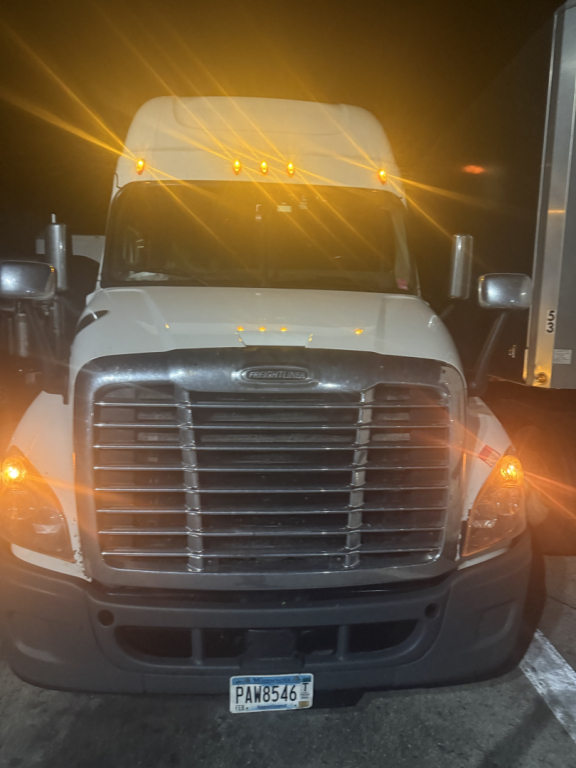
For highway trucks, many 2020 models were spec'd with proven diesel platforms such as the Cummins X15, Volvo D13, Detroit DD13 or DD15, and PACCAR MX series engines. Horsepower commonly falls in the 400 to 500 HP range, with rear axle ratios often selected around fuel economy or startability needs. Automated manual transmissions were widespread by 2020, but manual gearboxes still appear in some fleet and vocational applications. Sleeper tractors from this model year usually bring aerodynamic fairings, air ride suspension, engine brakes, disc or drum brake setups, air slide fifth wheels, and more integrated collision mitigation systems than older trucks. Daycabs in the same year are common in LTL, regional freight, drayage, and dedicated route work where wheelbase, turning radius, and weight matter more than sleeper space.
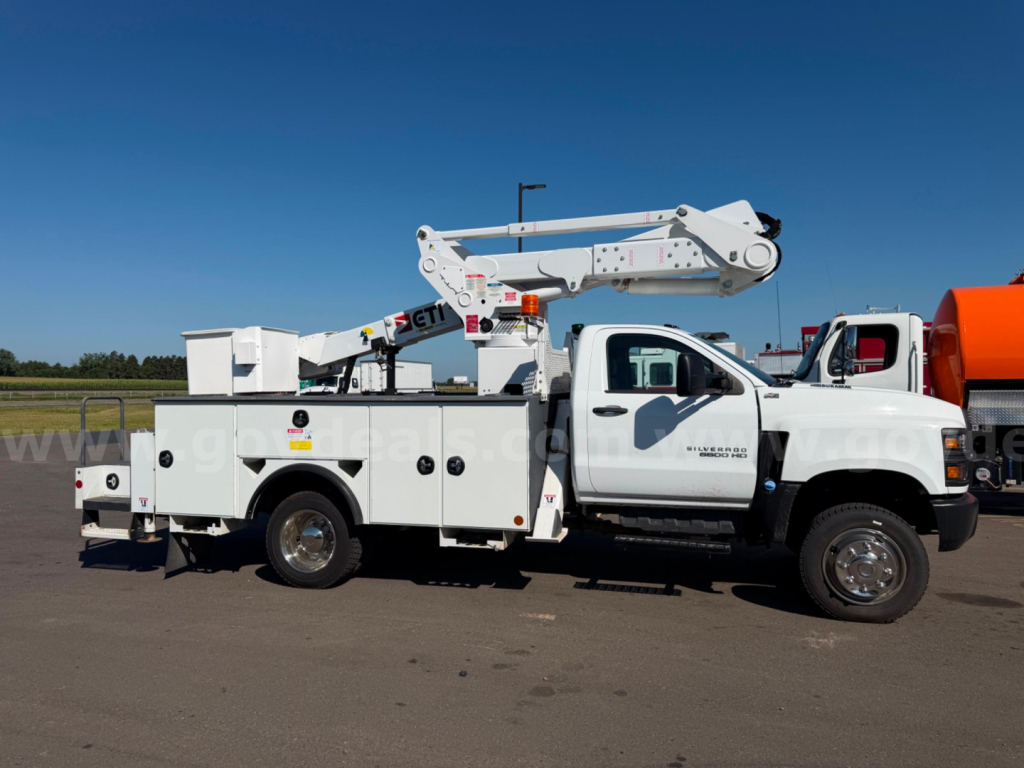
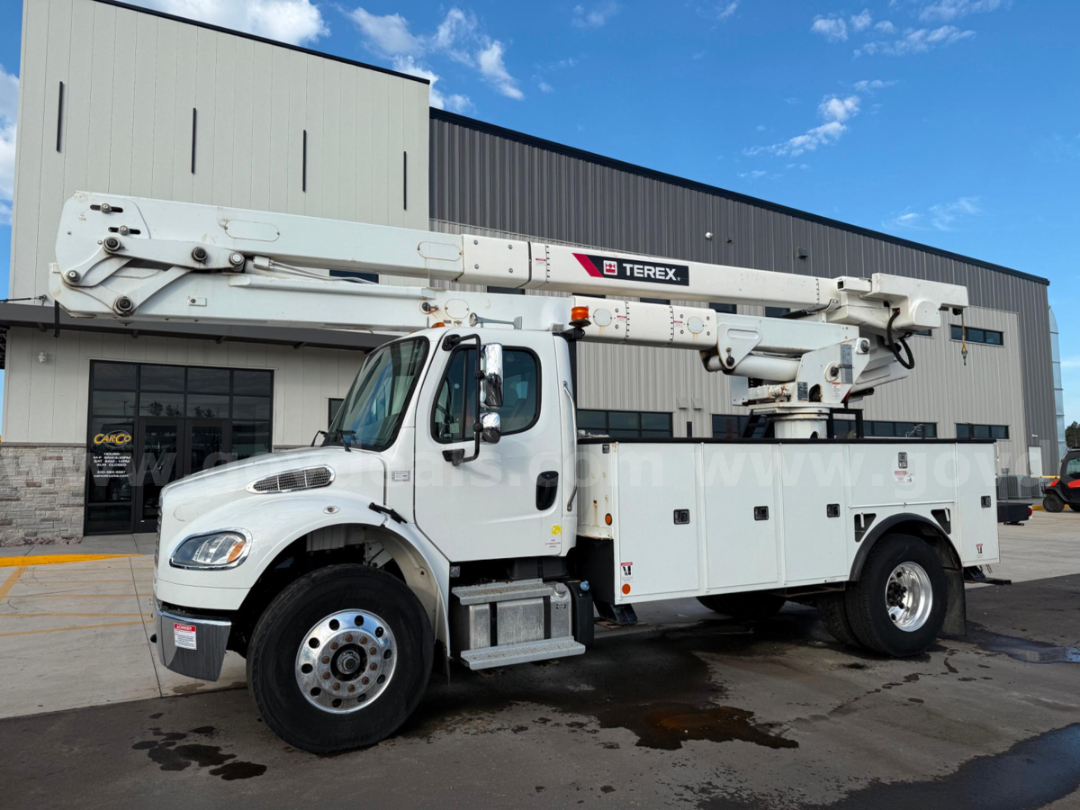
Minnesota buyers should pay close attention to corrosion exposure, heater performance, battery and charging condition, and the service history of the aftertreatment system. A 2020 truck may have spent its life in upper Midwest winters, so frame condition, crossmembers, brake lines, suspension components, and electrical connections deserve a careful look. For linehaul tractors, check DPF cleaning intervals, DEF system repairs, idle hours, and software update history. For vocational trucks such as plow trucks, dump trucks, or municipal units, hydraulic condition, PTO operation, body mounting, spreader or plow controls, and front axle capacity matter just as much as engine hours and mileage. If the truck is set up for snow and ice work, inspect underbody rust, harness routing, and evidence of front frame reinforcement.
The best 2020 truck choice depends on duty cycle more than badge preference. A high-roof sleeper with a 40,000-pound tandem, air ride suspension, and a fuel-efficient drivetrain fits over-the-road freight. A shorter wheelbase daycab with a single axle or lift axle setup may be better for urban and regional work. Vocational buyers may need heavier front axles, locking differentials, severe-service suspensions, and body-ready PTO provisions. Across the board, 2020 trucks sit in a practical middle ground: new enough to offer modern cab comfort and safety systems, old enough to provide a broad used market with multiple spec levels and price points.
Frequently Asked Questions about 2020 Commercial Trucks in Minnesota
What should I check first when buying a 2020 used truck in Minnesota?
Start with service records, engine hours, idle hours, mileage, and any documented emissions or aftertreatment repairs. In Minnesota, corrosion inspection is critical because road salt can affect frames, brake components, wiring, and suspension hardware. Cold-weather items such as block heaters, bunk heaters, battery condition, and charging system performance also deserve close attention. A truck that looks clean cosmetically can still have expensive winter-related wear underneath.
Are 2020 trucks old enough to have reliable emissions systems?
Many 2020 trucks use mature SCR and DPF technology, and by this model year most major engine manufacturers had refined their emissions packages compared with earlier generations. Reliability still depends heavily on maintenance history, duty cycle, and idle time. A truck used on steady highway routes often fares better than one with excessive idling or repeated short-cycle operation. Ask about DPF cleanings, DEF component replacements, fault code history, and any derate events before making a decision.
Is a 2020 sleeper truck a better buy than a 2020 daycab?
That depends on the work. A 2020 sleeper truck is better suited for over-the-road and multi-day regional runs where driver comfort, fuel capacity, and onboard storage affect productivity. A 2020 daycab usually makes more sense for local freight, dedicated lanes, drayage, and operations where a shorter wheelbase improves maneuverability and payload flexibility. The right choice comes down to route length, trailer type, axle requirements, and how often the truck returns to base.
What engines and transmissions are common in 2020 trucks?
Common engine platforms in 2020 highway trucks include the Cummins X15, Volvo D13, PACCAR MX-13, and Detroit diesel engines depending on make and application. Power ratings often land between 400 and 500 horsepower in road tractors, while vocational units may be spec'd around torque, PTO compatibility, and front axle capacity rather than top horsepower alone. Automated manual transmissions are very common in this model year, though some fleets and vocational operators still chose manuals or full automatics for specific applications.
Do 2020 trucks usually have newer safety and driver-assist features?
Yes. Many 2020 trucks were spec'd with more advanced safety systems than older used models, including collision mitigation, adaptive cruise functions, lane departure alerts, and improved braking packages. Availability varies by original fleet specification, so not every truck will have the same equipment. Buyers who prioritize insurance, driver retention, or fleet standardization should verify those systems by VIN spec sheet and confirm they are operational during inspection.