
2020 Commercial Trucks For Sale in Iowa
Browse 2020 trucks for sale in Iowa, including day cabs, sleepers, dumps, and vocational trucks with modern emissions and safety features.
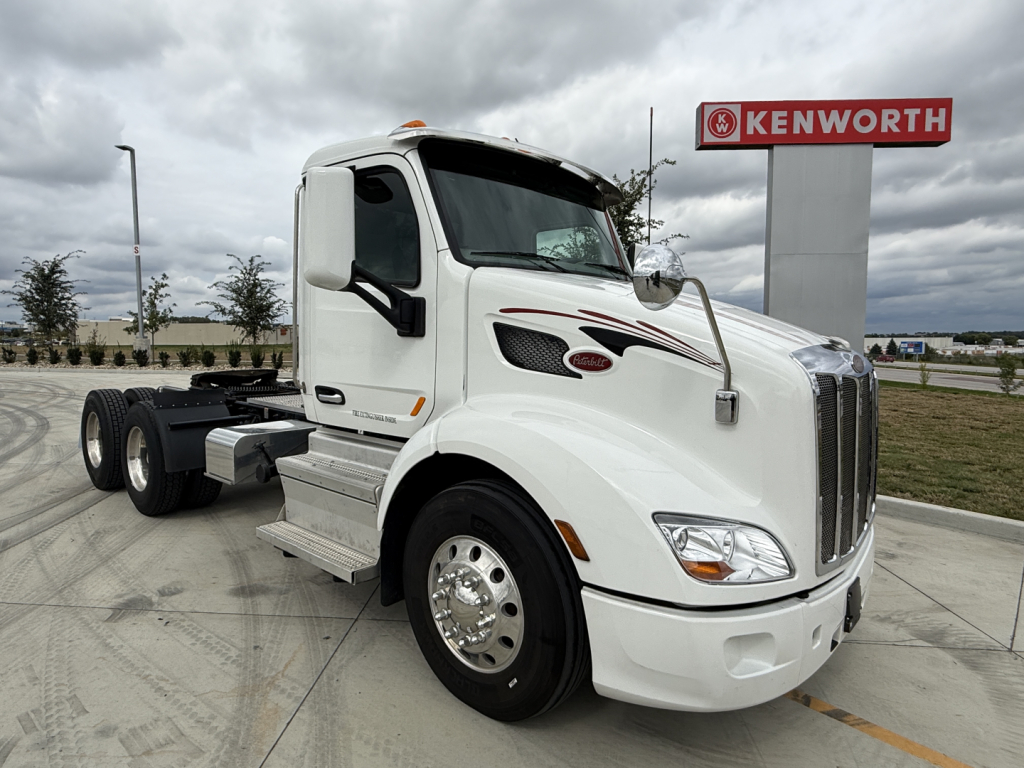
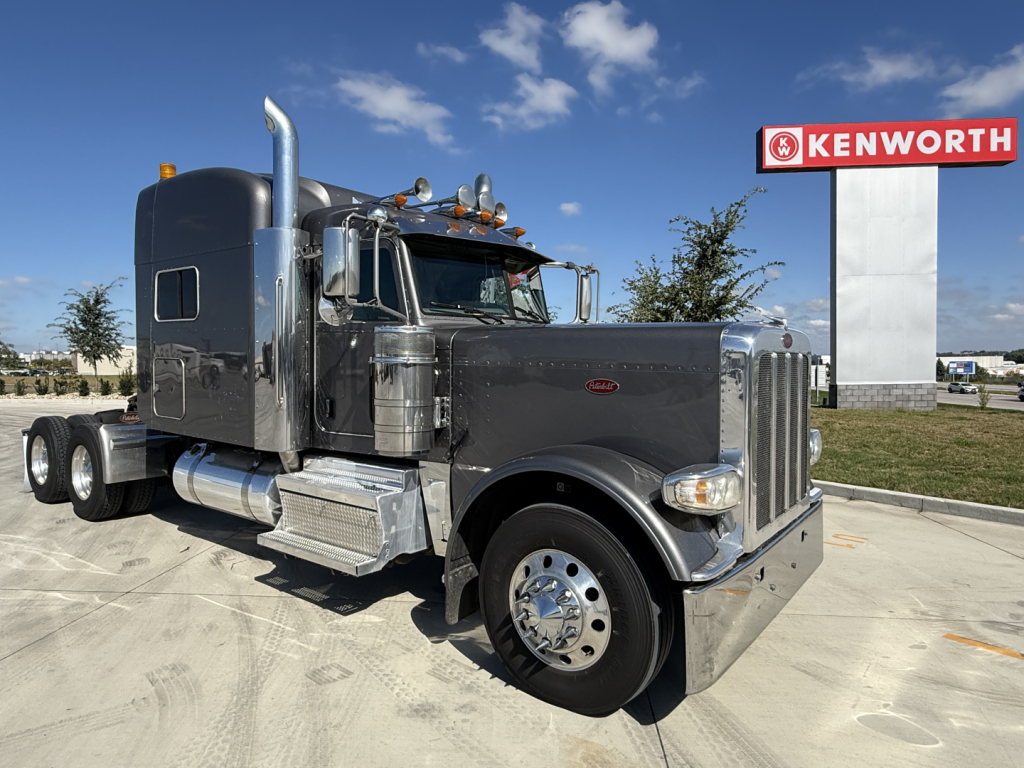
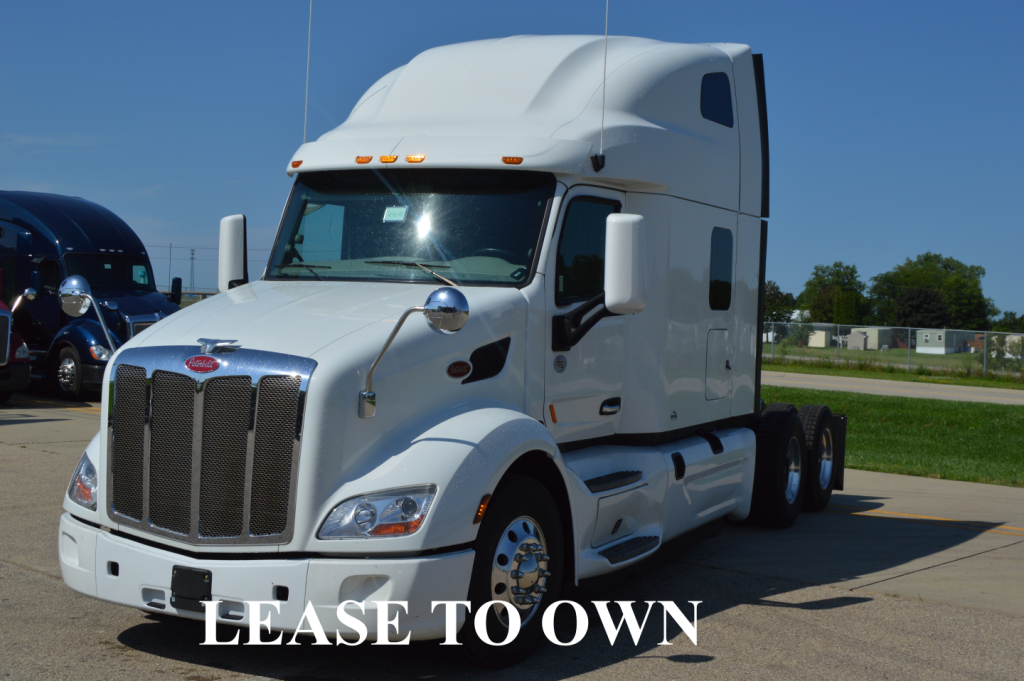
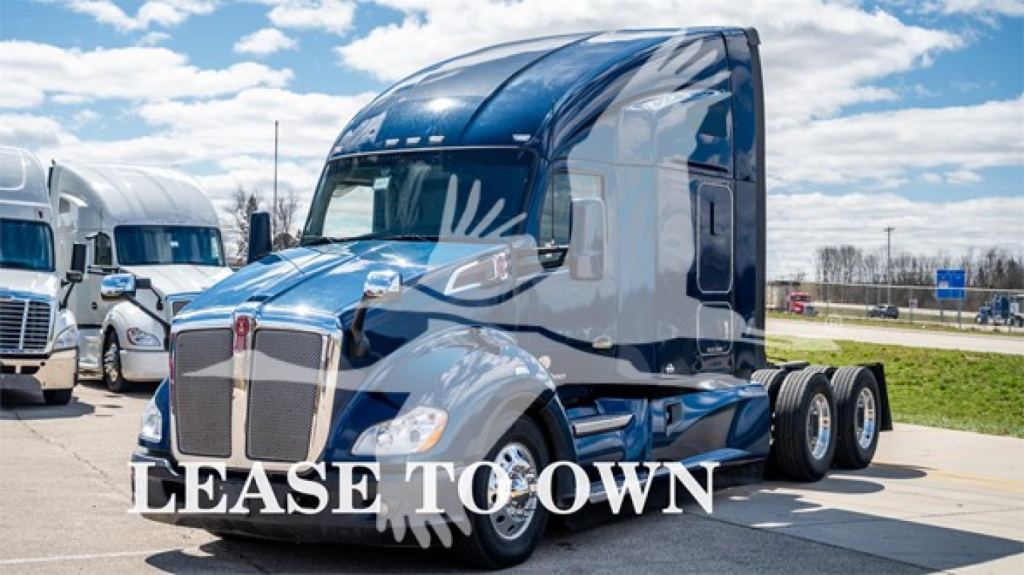
Selling a 2020 commercial truck? List your 2020 commercial truck for sale and reach thousands of commercial buyers.
2020 Commercial Trucks in Iowa
For over-the-road and regional work, 2020 highway trucks often include automated manual or fully automatic transmissions, aerodynamic packages, collision mitigation, lane departure warning, and more refined sleeper layouts than older units. For vocational use, 2020 trucks frequently bring stronger body integration, PTO-friendly transmission programming, and improved switchgear for plows, spreaders, hoists, compressors, or hydraulic systems. In Iowa, that matters because many buyers need trucks that can handle a mix of interstate miles, grain and ag support work, municipal snow service, and construction hauling. A buyer comparing 2020 trucks should pay close attention to engine hours versus odometer miles, emissions aftertreatment service history, suspension type, rear axle ratio, and whether the truck was spec'd for highway fuel economy or low-speed jobsite duty.
The biggest buying decisions usually come down to chassis purpose and maintenance record. A 2020 tandem axle dump or municipal truck may show lower miles but much higher PTO and idle time, while a 2020 sleeper tractor may carry higher mileage with steadier operating conditions. Check for the exact engine family, transmission model, brake type, and axle ratings rather than relying on badge alone. On vocational trucks, look at hoist condition, body floor thickness, corrosion around crossmembers, hydraulic leaks, spreader or plow controls, and frame modifications. On road tractors, review wheelbase, fifth-wheel rail length, fuel capacity, fairing condition, and whether the truck has a locking differential, full lockers, or a tire inflation system. For any 2020 diesel truck, documented DEF and DPF service is important, especially if the truck saw extensive idle time, short-route duty, or seasonal municipal use.
Buyers shopping 2020 trucks in Iowa should also consider climate and road treatment exposure. Snow, salt, calcium, and gravel roads can affect wiring, brake components, body mounts, and underbody corrosion, especially on municipal, dump, and winter-service units. A clean cab and modern interior are nice to have, but frame condition, service records, and correct spec for the intended payload matter more. A well-matched 2020 truck can still deliver a strong balance of technology, uptime, and financing appeal, provided the axle ratings, engine output, suspension, and body equipment line up with the work it needs to do.
Frequently Asked Questions about 2020 Commercial Trucks in Iowa
What should I look for first when buying a 2020 truck?
Start with the truck’s actual job, then verify that the chassis was built for it. Key items include axle configuration, GVWR or GCWR, wheelbase, engine horsepower and torque, transmission type, rear axle ratio, and any PTO or hydraulic requirements. After that, review service records closely, especially for emissions components such as the DPF, DEF system, and EGR-related maintenance on diesel-powered units.
Are 2020 trucks a good balance between price and features?
For many buyers, yes. A 2020 truck is often modern enough to include current safety technology, improved cab design, and more efficient powertrains, while still being old enough to avoid the steepest depreciation. That combination can make 2020 model year trucks attractive for fleets and owner-operators who want newer equipment without paying near-new pricing.
How do I compare a 2020 vocational truck to a 2020 highway tractor?
Compare them by duty cycle, not just age. A 2020 vocational truck may have lower mileage but significantly more idle time, PTO use, and stop-and-go wear. A 2020 highway tractor may show higher miles but more consistent engine operating conditions. Engine hours, transmission programming, suspension spec, corrosion exposure, and maintenance documentation often tell more than mileage alone.
Why does Iowa use matter when evaluating a 2020 truck?
Iowa operating conditions can include winter salt exposure, rural gravel roads, heavy seasonal hauling, and municipal snow service. Those conditions can accelerate wear on wiring, brake hardware, spreader systems, plow mounts, body supports, and frame components. A buyer should inspect underbody corrosion, hydraulic lines, electrical connectors, and suspension components carefully, particularly on dumps and municipal trucks.
Do 2020 trucks usually have more emissions-related maintenance than older pre-emissions models?
A 2020 truck typically has more advanced emissions equipment than older pre-emissions units, so maintenance history matters more. That does not automatically make it a poor choice. It means the buyer should confirm proper DPF cleaning intervals, DEF system repairs, sensor replacements, and any fault-code history. A well-maintained 2020 truck can be dependable, but incomplete emissions service records are a reason for closer inspection.