
2019 Commercial Trucks For Sale in Alabama
Browse 2019 trucks for sale in Alabama, including light, medium, and heavy-duty models for freight, service, vocational, and regional work.
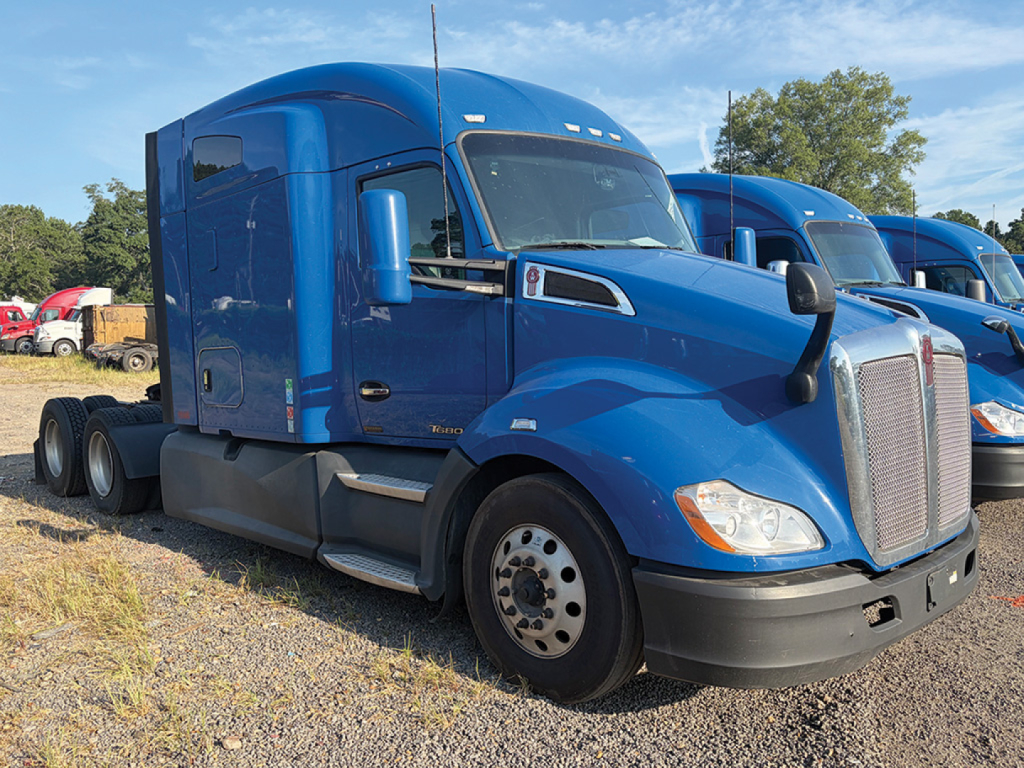
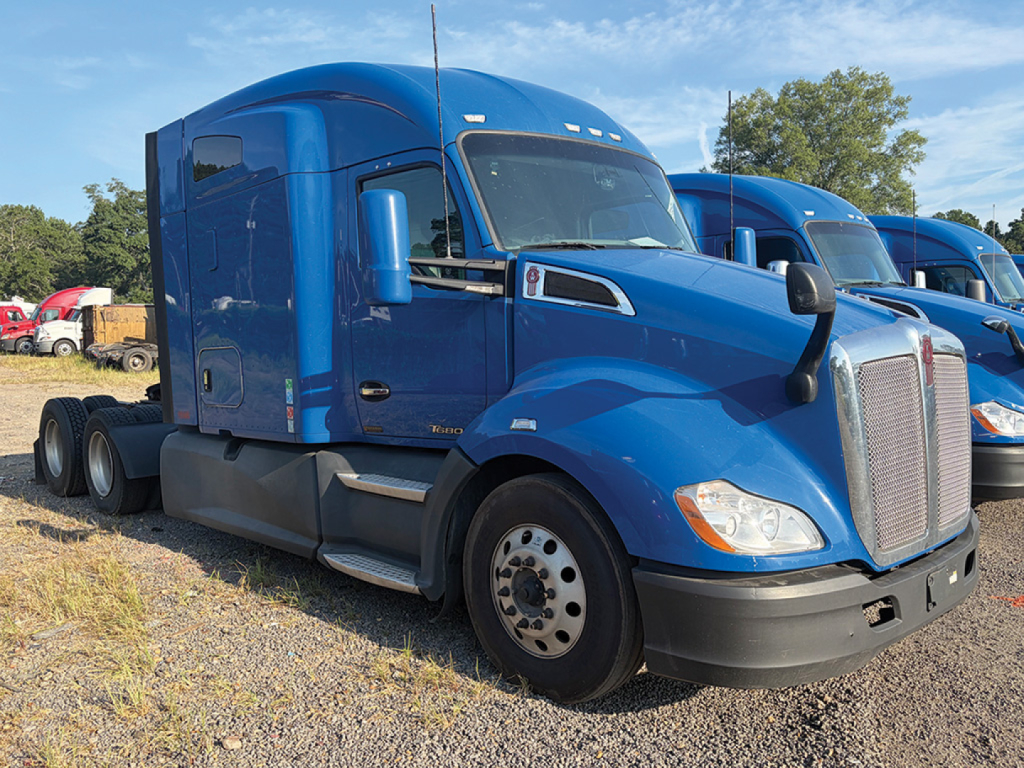
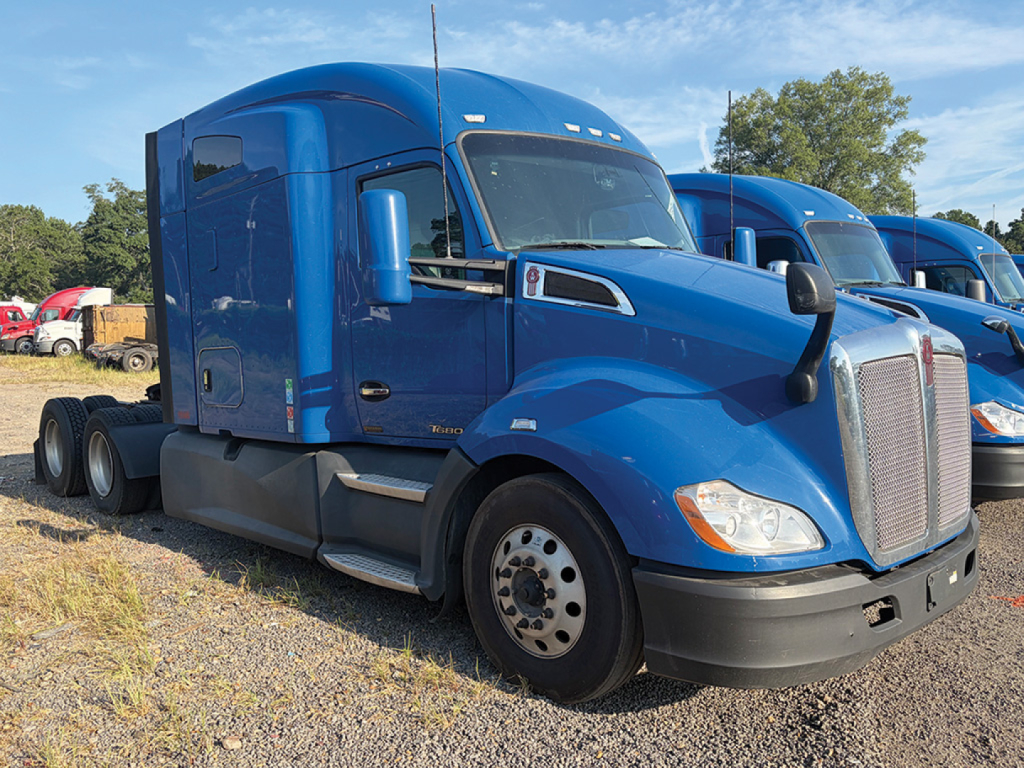
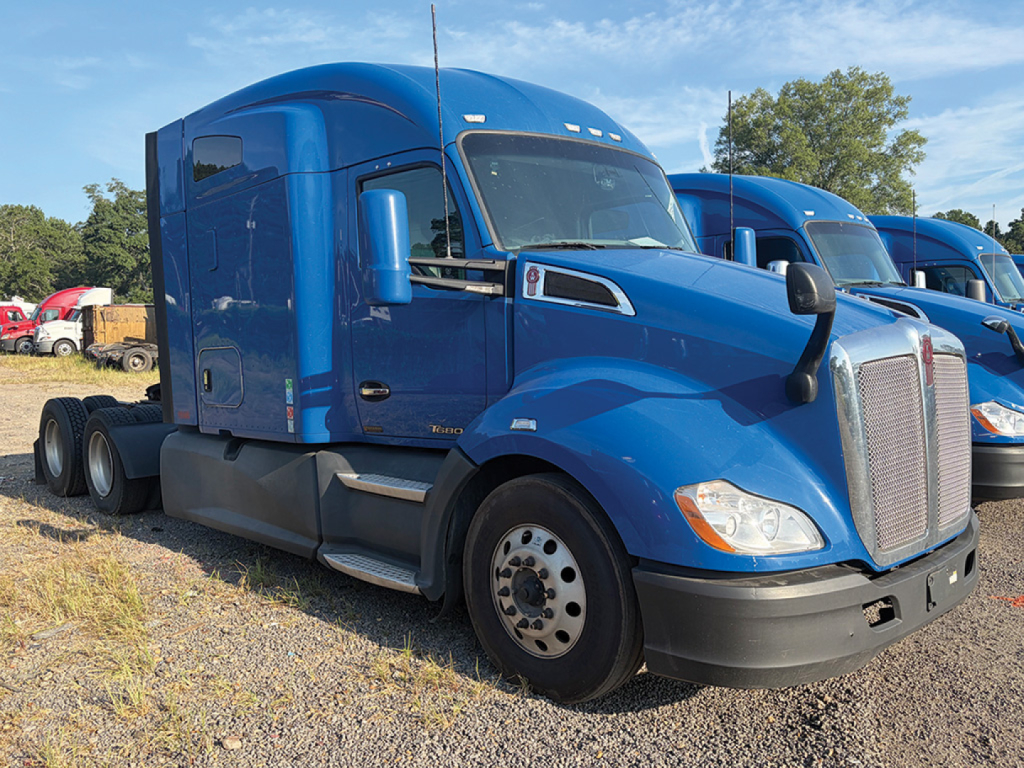
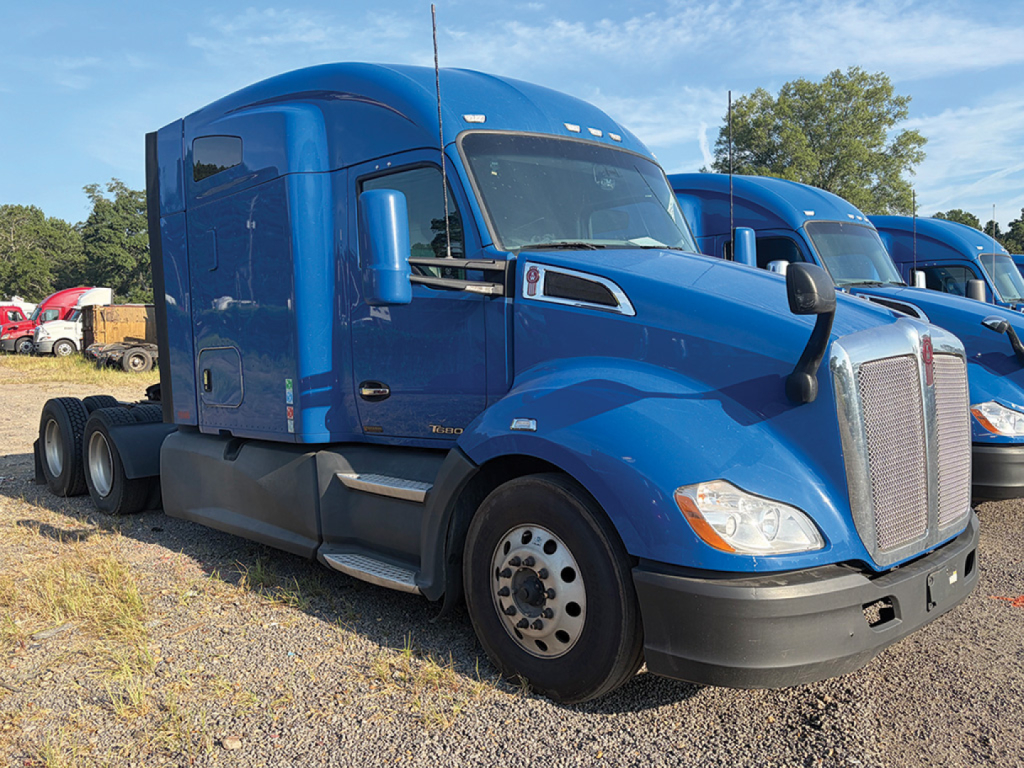
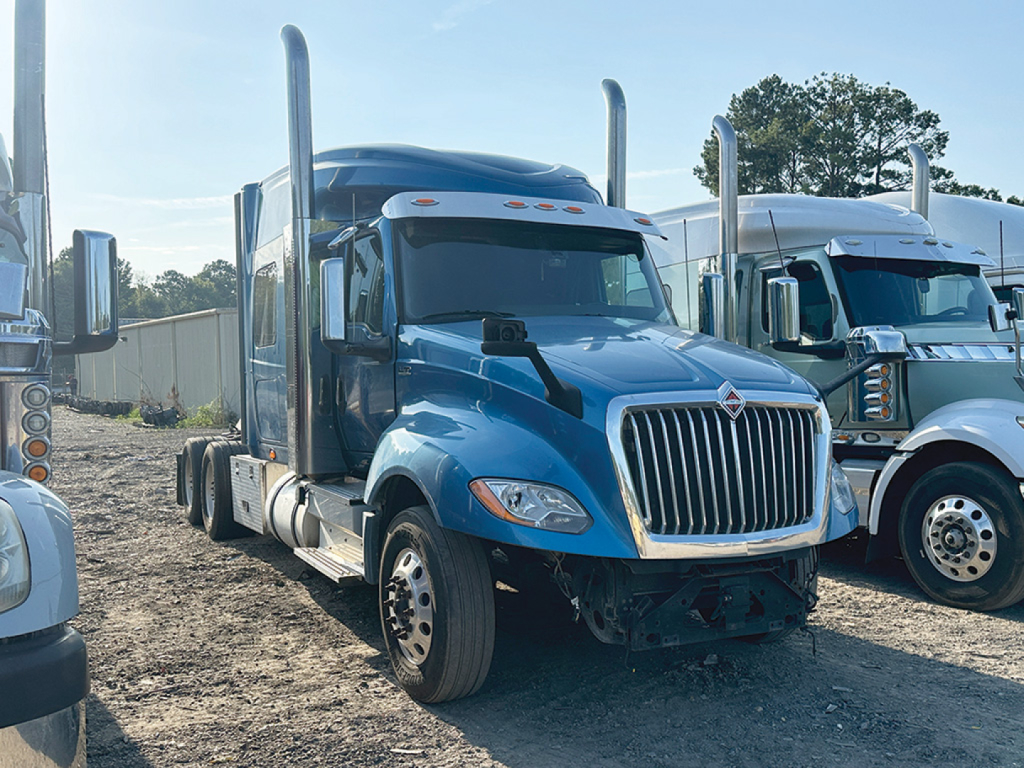
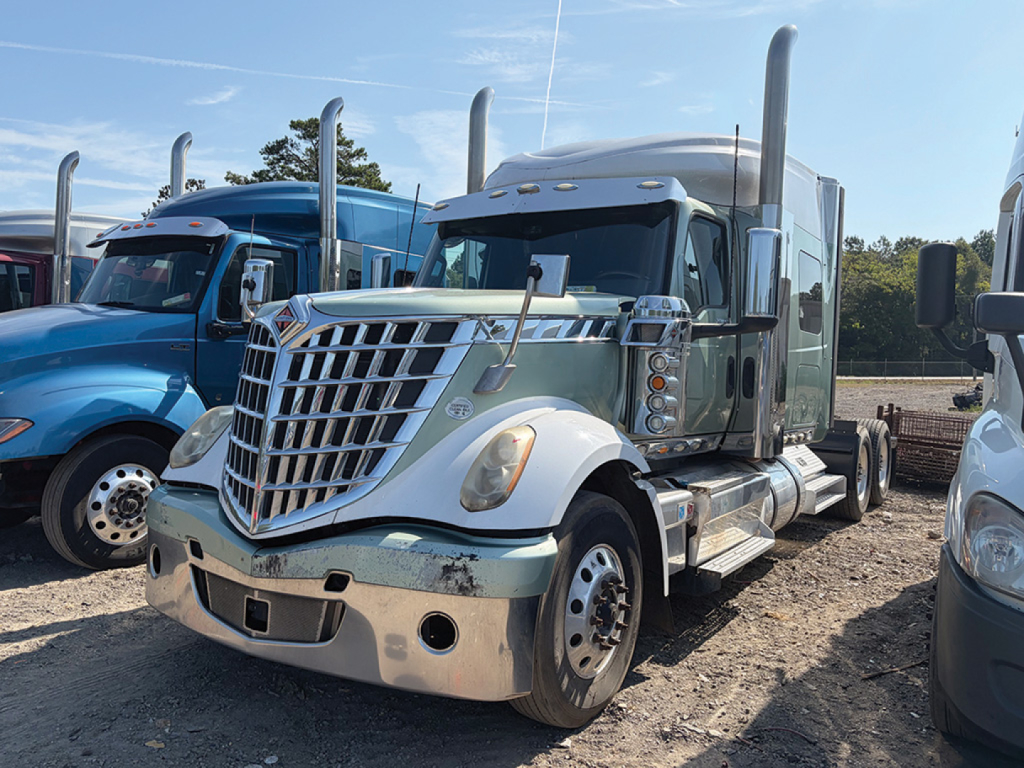
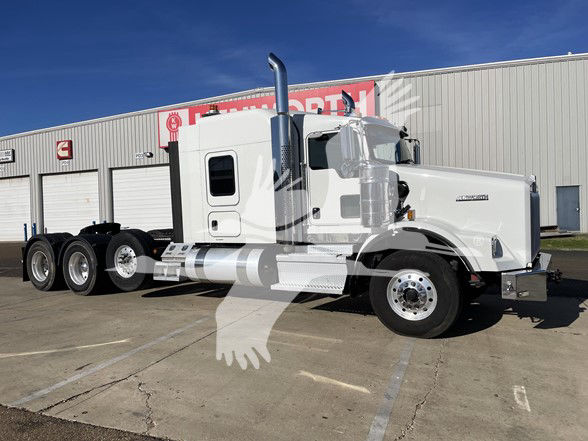

Have 2019 commercial truck to sell? List it here to reach thousands of buyers.
2019 Commercial Trucks in Alabama
The first decision is usually truck class and application. In the 2019 market, buyers will see everything from light-duty and medium-duty box trucks, service trucks, and dump bodies to heavy-duty day cabs and sleeper tractors. Common engine families in this year range include Cummins, PACCAR, Detroit, and other OEM-specific diesel platforms, with horsepower and axle ratings varying widely by intended use. For vocational trucks, look closely at wheelbase, front axle capacity, rear suspension, PTO setup, frame reinforcement, and body integration. For highway tractors, focus on axle ratio, sleeper size, transmission type, wheelbase, and whether the spec fits your freight lanes, trailer length, and average payload.
Condition and prior use matter as much as badge or model. A 2019 truck may have significantly different wear patterns depending on whether it spent its life in local stop-and-go service, off-road jobsite work, or steady highway miles. Review maintenance records, engine hours, idle time, emissions aftertreatment history, brake and tire condition, and any signs of body or frame corrosion. On diesel units, buyers should pay attention to DPF, DEF, and EGR service history, especially if the truck was used in lower-speed vocational duty cycles. For trucks already upfitted with a dump body, van body, or sleeper configuration, inspect how well the body spec matches the chassis ratings and intended workload.
Alabama buyers often need trucks that can handle heat, long regional runs, and a mix of urban and rural operating conditions. Cooling system condition, air conditioning performance, suspension setup, and tire spec deserve extra attention in this market. If the truck will run in construction, aggregate, or logging-related service, heavier suspensions, locking differentials, and durable vocational components can outweigh cosmetic condition. If the priority is delivery or general freight, fuel economy, cab access, turning radius, and service network support may be more important. A well-matched 2019 truck should be evaluated as a total package, including drivetrain, axle ratings, body type, and maintenance profile, not just make, model, or odometer reading.
Frequently Asked Questions about 2019 Commercial Trucks in Alabama
What are the main advantages of buying a 2019 truck?
A 2019 truck often gives buyers a useful balance between age, technology, and cost. This model year is new enough to include modern powertrain controls, improved interiors, and common safety and driver-convenience features, but it is typically priced below newer late-model equipment. For many fleets and owner-operators, 2019 trucks also offer broad parts availability and established service familiarity, which can help with uptime and repair planning.
What should I inspect first on a used 2019 truck?
Start with the truck’s application-related components before cosmetics. Engine hours, idle hours, service records, transmission operation, brake condition, suspension wear, tire wear pattern, and emissions system history are all critical. If it is a vocational truck, inspect PTO operation, body mounting, hoist or hydraulic components, frame condition, and axle ratings. If it is a highway tractor, review rear ratio, fifth wheel condition, sleeper equipment, and signs of uneven driveline or suspension wear.
Are 2019 trucks good for vocational work like dump, utility, or municipal service?
Yes, many 2019 trucks are well suited for vocational use, but the chassis spec has to match the job. Buyers should verify wheelbase, frame strength, front and rear axle capacities, suspension type, PTO compatibility, and body installation quality. Vocational trucks can look similar at a glance while having very different usable payload and durability. A properly spec’d 2019 unit can still be a productive choice for construction, public works, and utility service.
Do 2019 trucks in Alabama need any special buying considerations?
Alabama operating conditions make cooling performance, air conditioning, and general drivetrain reliability especially important. Buyers should inspect the radiator, charge air cooler, hoses, fan clutch operation, and cabin HVAC performance. Trucks that have worked in off-road or high-dust environments should also be checked carefully for suspension wear, brake contamination, and signs of hard vocational use. Regional support for the engine and transmission brand is another practical factor, since fast service access matters when the truck is working.
How do I choose between a 2019 day cab, sleeper, box truck, or dump truck?
The right choice depends on freight type, route length, payload, and loading environment. A day cab is typically better for local and regional tractor work where cab length and weight savings matter. A sleeper is better for longer runs and driver comfort. A box truck fits parcel, furniture, beverage, and local delivery applications where enclosed cargo space is required. A dump truck is designed for aggregate, demolition, asphalt, and site work where body and chassis durability are more important than highway efficiency.