
2018 Commercial Trucks For Sale in Oklahoma

Have 2018 commercial truck to sell? List it here to reach thousands of buyers.
2018 Commercial Trucks in Oklahoma
For highway tractors, common 2018 specs include tandem axles, 12,000 to 13,200 lb front axles, 40,000 lb rears, air-ride suspension, and engines in the 400 to 500-plus horsepower range from makers such as Cummins, Detroit, Paccar, Volvo, and Mack. Transmissions may be automated manuals like I-Shift or mDRIVE, or traditional 10, 13, and 18-speed manuals. Rear axle ratios and wheelbase matter more than many first-time buyers expect. A tall rear ratio can help fuel economy on interstate lanes, while a shorter ratio may suit heavier loads, more starts and stops, or off-pavement work. Sleeper buyers should also compare bunk size, roof height, inverter setup, APU preparation, and interior condition, especially on units that have spent time in long-haul service.
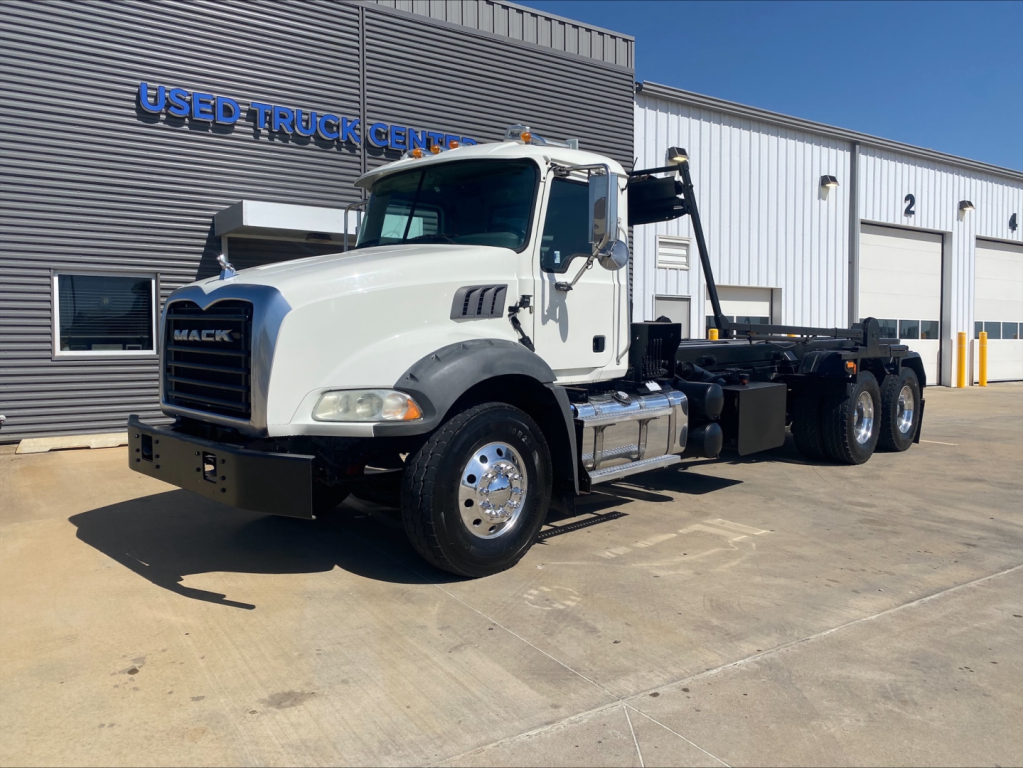
For vocational 2018 trucks in Oklahoma, the inspection list changes. Dump and severe-duty trucks need close attention to frame condition, hoist operation, suspension spec, PTO setup, axle capacity, and how the truck was actually used. A truck that hauled asphalt, rock, oilfield materials, or demolition debris may have very different wear patterns even when the basic spec looks similar on paper. Look at transmission programming, brake type, tire size, locking differential spec, and body manufacturer details if the truck is already upfitted. In a state where trucks may see interstate freight, county roads, jobsite access, and hot summer conditions, cooling system health, AC performance, and maintenance history deserve extra weight.
The best 2018 truck is usually the one with the most appropriate spec and the clearest service record, not simply the highest horsepower or lowest miles. Review engine family, emissions status, aftertreatment service history, and any recent work on the DPF, DOC, SCR, turbo, or EGR system. Check for signs of idle-heavy operation, confirm GVWR and axle ratings against your planned use, and make sure the cab and chassis layout supports the body or trailer you intend to run. A well-matched 2018 truck can still offer strong uptime, driver comfort, and financing appeal for fleets and owner-operators who need dependable late-model equipment in Oklahoma.
Frequently Asked Questions about 2018 Commercial Trucks in Oklahoma
What should I look for first when buying a 2018 truck in Oklahoma?
Start with the truck’s intended application, then verify that the axle ratings, suspension, wheelbase, engine, and transmission match that job. A regional day cab, an over-the-road sleeper, and a vocational dump truck all wear differently and need different specs. After that, review service records, engine hours, emissions-system history, tire condition, brake wear, and any signs of frame or suspension damage from heavy-duty use.
Are 2018 trucks a good balance between price and modern features?
For many buyers, yes. The 2018 model year often delivers newer safety and driveline technology, better cab ergonomics, and broad parts support while avoiding the cost of a new truck. It can be a practical middle ground for fleets and owner-operators who want late-model equipment with current-style automated transmissions, modern sleepers, and vocational specs that are still easy to support through dealer and aftermarket channels.
How important is emissions-system history on a 2018 truck?
It is one of the most important checkpoints. A 2018 truck uses modern aftertreatment components such as the DPF, DOC, SCR system, and related sensors. Buyers should ask about forced regens, fault codes, injector history, DEF-system repairs, and any recent replacement of emissions components. A truck with documented emissions maintenance is usually a safer buy than one with limited records and a clean appearance.
What specs matter most on a 2018 highway tractor?
The main decision points are horsepower, torque rating, transmission type, rear axle ratio, wheelbase, and suspension. These directly affect fuel economy, drivability, trailer compatibility, and how the truck performs on Oklahoma interstate lanes versus local or mixed-route work. Cab configuration also matters. A sleeper should be evaluated for bunk size, storage, idle-management setup, and overall driver comfort, while a day cab should be checked for frame length and back-of-cab clearance for the trailers you plan to pull.
What is different about evaluating a 2018 dump or vocational truck?
Vocational trucks should be inspected beyond the basic engine and transmission spec. Buyers need to evaluate frame reinforcement, front axle capacity, rear suspension design, PTO operation, hoist performance, body condition, tailgate hardware, and any evidence of severe off-road or jobsite use. It is also smart to confirm the exact body make and model, liner condition, hydraulic performance, and whether the gearing and transmission setup fit the truck’s payload and terrain.