
2018 Commercial Trucks For Sale in Illinois
Browse 2018 trucks for sale in Illinois, including day cabs, sleepers, and straight trucks with specs that fit regional, local, and over-the-road work.
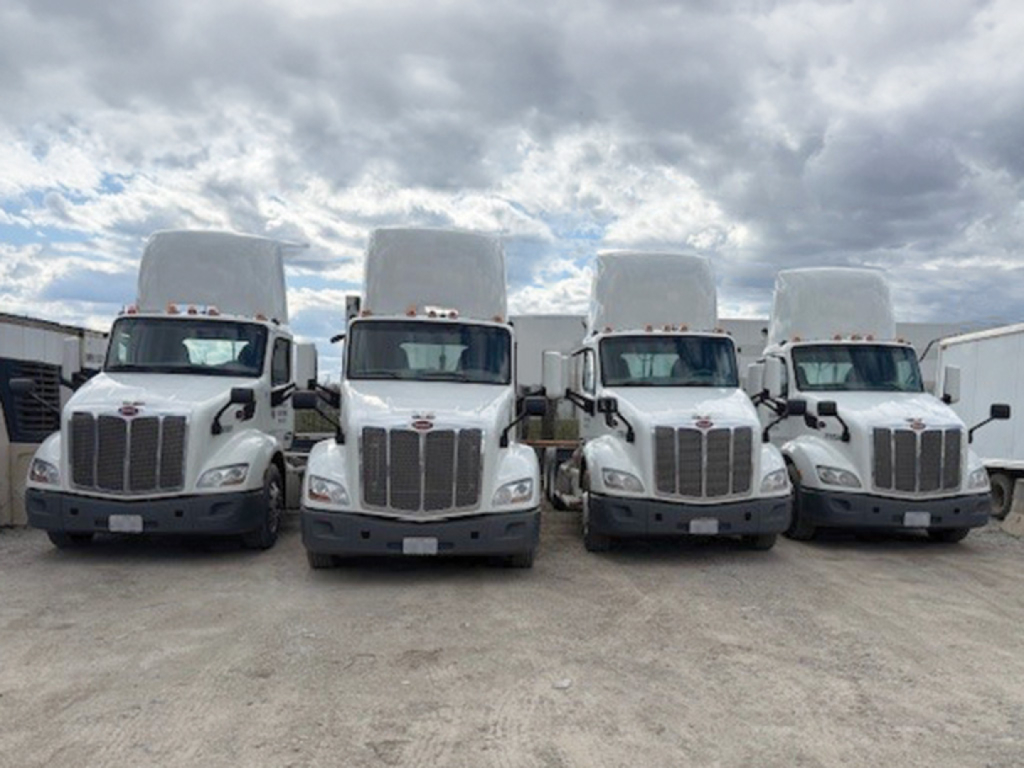
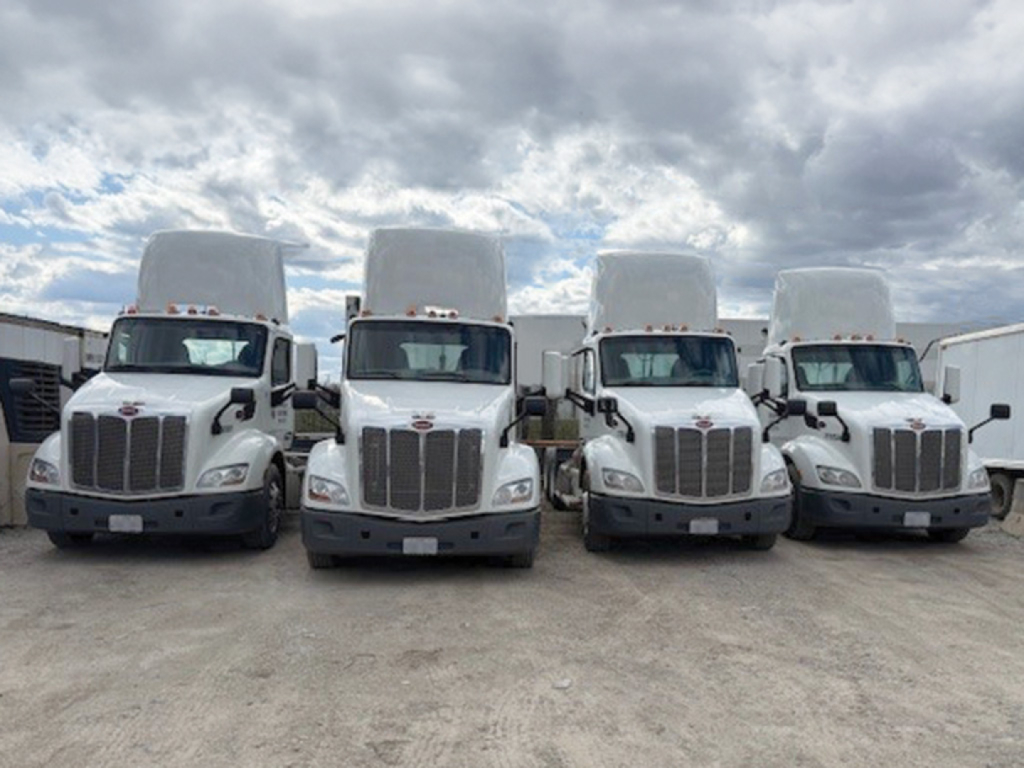
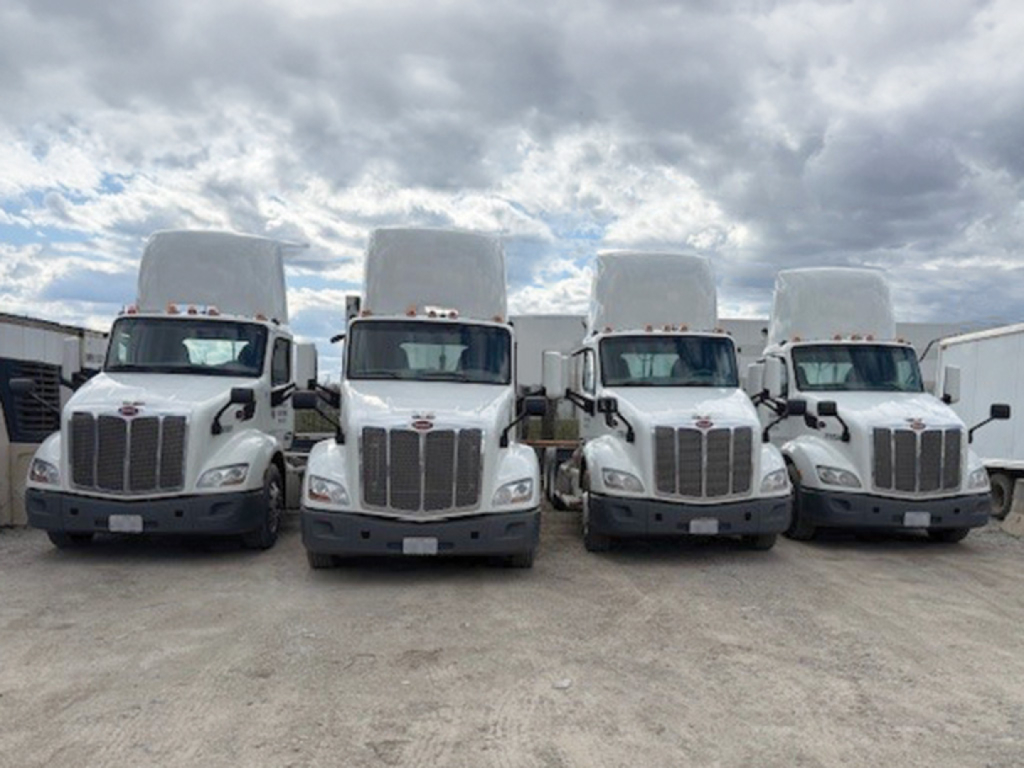
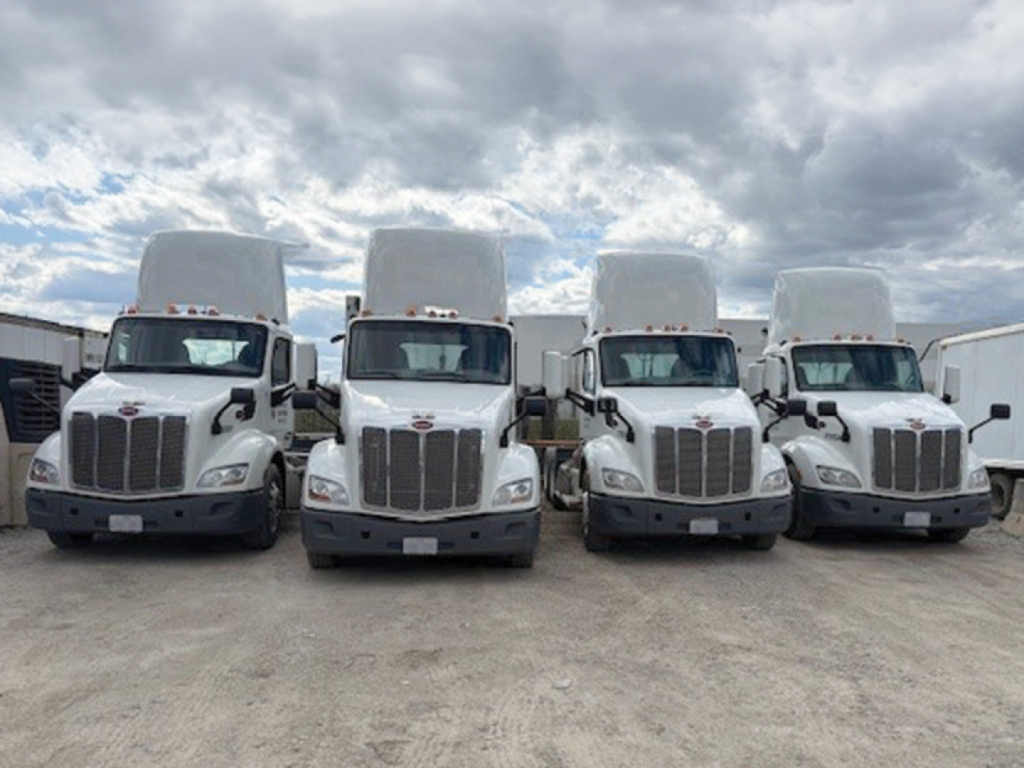
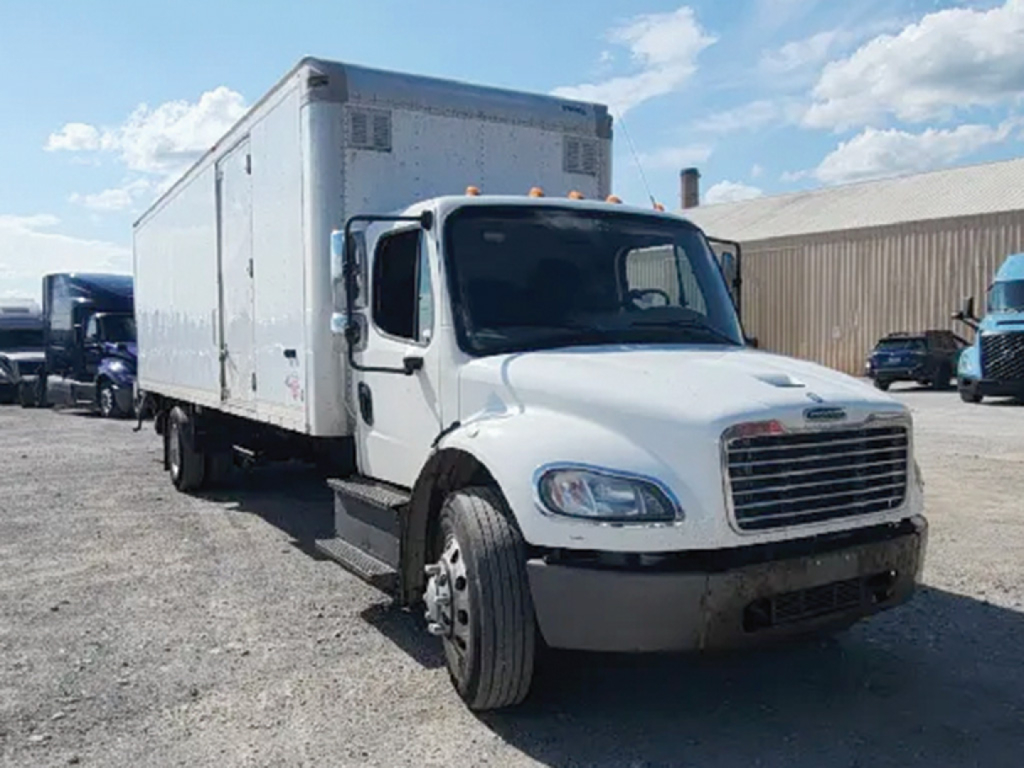
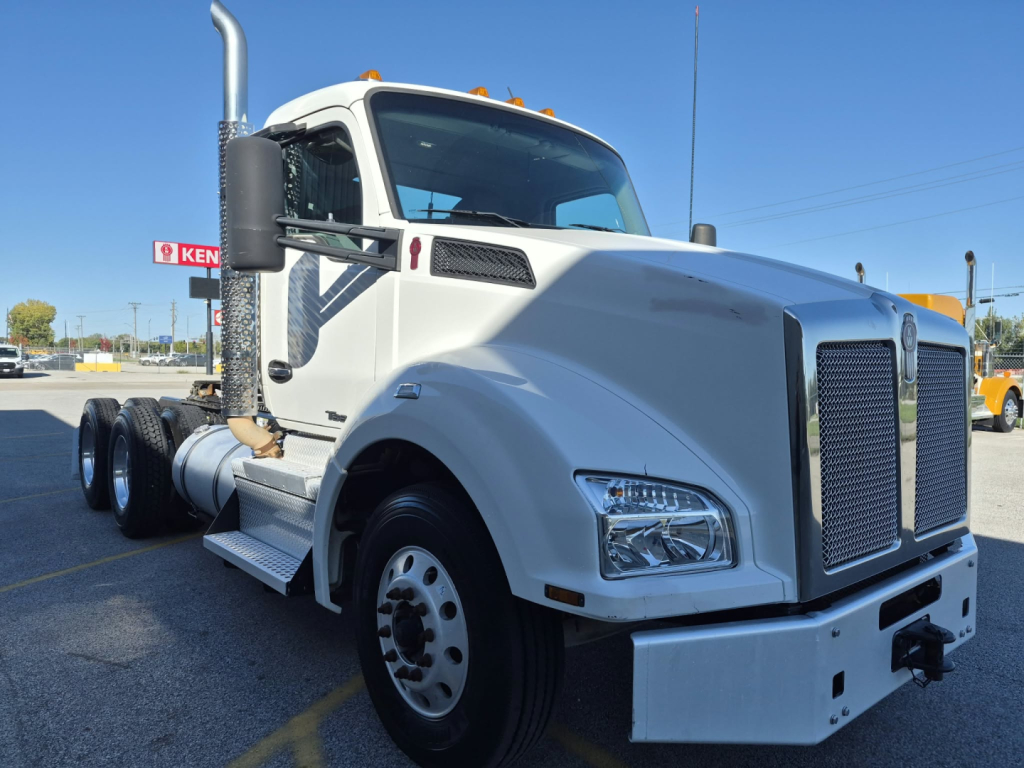
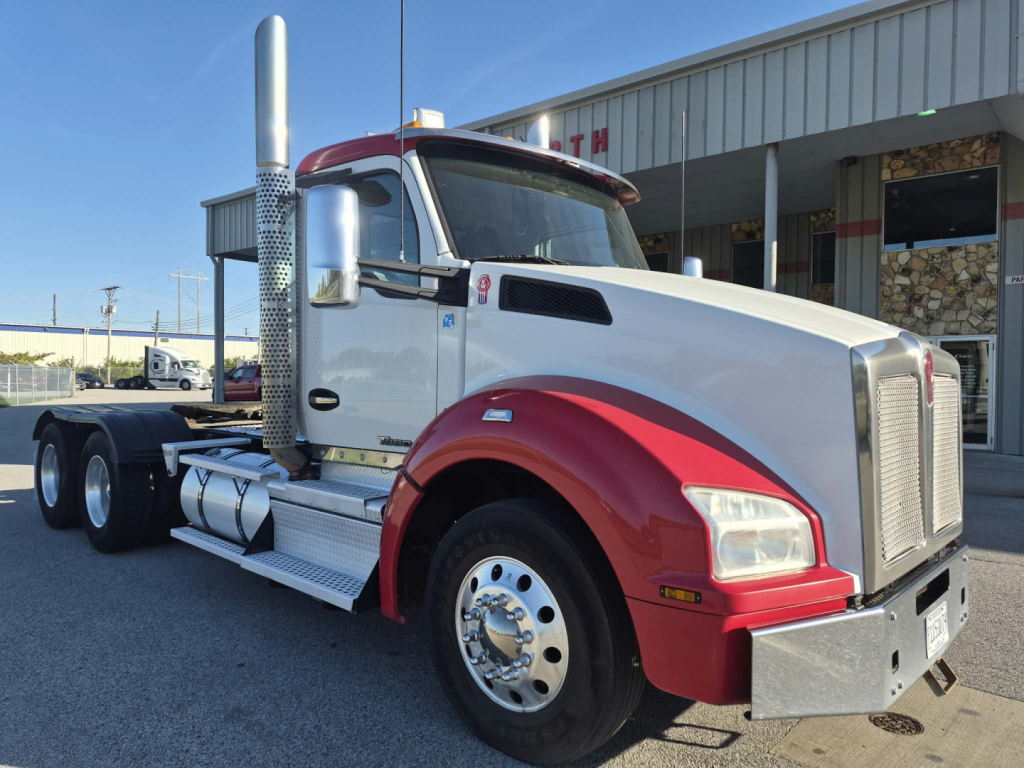
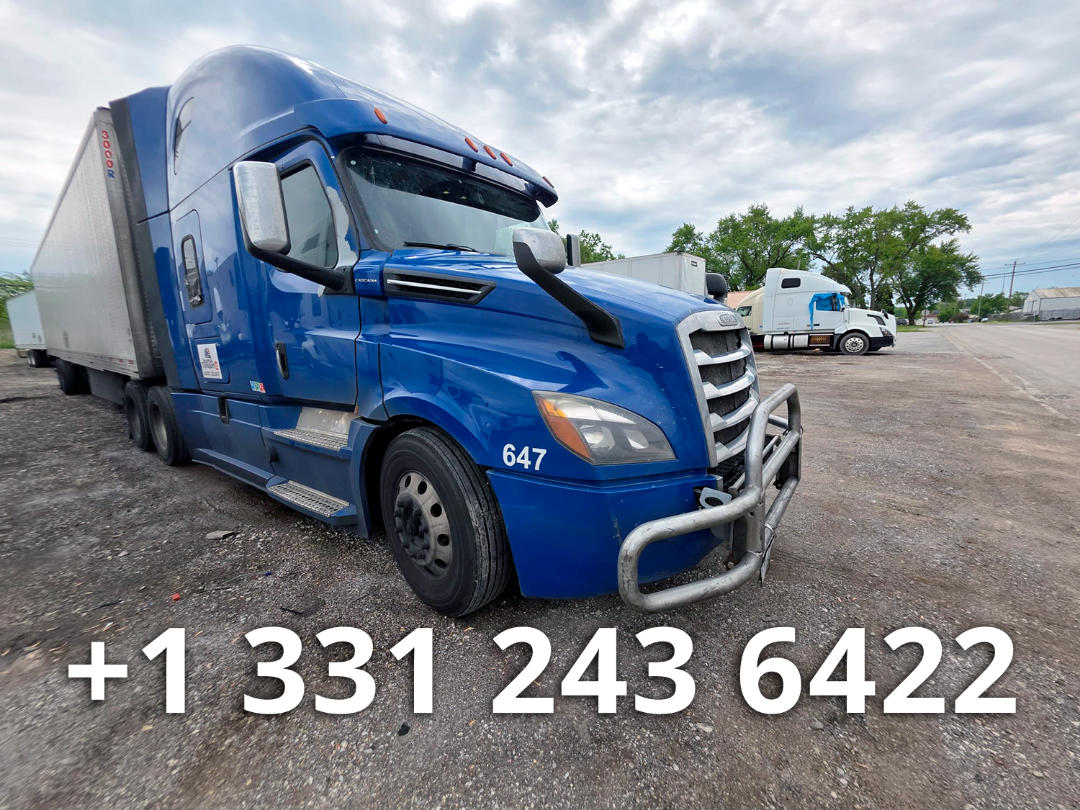


Selling a 2018 commercial truck? List your 2018 commercial truck for sale and reach thousands of commercial buyers.
2018 Commercial Trucks in Illinois
On highway tractors, 2018 models often show up with 12 to 13 liter diesel engines in the 400 to 500 horsepower range, automated manual transmissions, and 40,000 lb tandem rears. That combination fits dry van, refrigerated, and general freight operations where fuel economy, driver acceptance, and predictable maintenance matter. Buyers should compare rear axle ratio, wheelbase, and fifth wheel setup closely, since those specs affect startability, cruise RPM, trailer swing clearance, and lane application. Day cabs are common in regional and dedicated service, while sleeper configurations typically carry 70 to 80 inch high-roof sleepers for longer runs. Disc brakes, collision mitigation, air ride suspension, and aerodynamic fairings are also common on better highway specs from this period.
For straight trucks and medium-duty 2018 models, the decision usually comes down to body type, GVWR, suspension, and transmission. Van bodies, stake beds, dumps, and service bodies all appear in this year range, often with diesel engines around the 200 to 350 horsepower mark and either Allison automatics or automated transmissions. A 26 foot box truck with E-track, scuff liners, translucent roof, and roll-up door suits route delivery and final-mile freight, while spring suspension and shorter gearing make more sense in stop-and-go or heavier vocational service. In Illinois, buyers should pay attention to rust exposure, frame condition, brake and tire wear, and whether the body spec matches dock height, pallet count, and cargo securement needs.
A smart 2018 truck purchase comes down to spec discipline and maintenance history. Look at engine family, transmission model, emissions service records, axle ratings, and current mileage in the context of the job the truck will actually do. On tractors, verify suspension type, wheelbase, and fuel capacity. On straight trucks, measure the body, confirm floor condition, and check liftgate or door operation if equipped. A well-matched 2018 truck can still deliver dependable service in Illinois fleets, especially when the gearing, cab configuration, and axle package line up with the route, trailer, and payload.
Frequently Asked Questions about 2018 Commercial Trucks in Illinois
What should I look for first when buying a 2018 truck in Illinois?
Start with the truck’s intended application and then verify the core specs that support it. For a tractor, that means engine rating, transmission type, rear axle ratio, wheelbase, axle capacity, and whether it is a day cab or sleeper. For a straight truck, focus on GVWR, body length, suspension, transmission, and cargo area condition. In Illinois, rust, corrosion on frame rails and crossmembers, brake wear, and tire condition deserve extra attention because seasonal road treatment can accelerate underbody wear.
Is a 2018 truck a good year for fleet or owner-operator use?
Yes, 2018 trucks often sit in a practical middle ground for buyers who want modern powertrain features, improved aerodynamics, and better driver amenities without the acquisition cost of newer late-model units. Many 2018 highway tractors were spec'd with automated manual transmissions, efficient axle ratios, and safety systems that still fit current fleet expectations. The real value depends less on the year alone and more on maintenance records, engine and aftertreatment history, and whether the truck was spec'd correctly for its work.
What engine and transmission setups are common in 2018 trucks?
In Class 8 highway trucks, 2018 models commonly use 11 to 15 liter diesel engines paired with automated manual transmissions, especially in regional and over-the-road service. Horsepower ratings often fall between 400 and 500 on sleeper and day cab tractors. In medium-duty and straight truck applications, diesel engines in the 200 to 350 horsepower range are common, often paired with Allison automatic transmissions for delivery and vocational work. The best setup depends on route profile, payload, and how much stop-and-go duty the truck will see.
How important is rear axle ratio on a 2018 truck?
Rear axle ratio is one of the most important specs because it directly affects startability, highway RPM, fuel economy, and grade performance. Lower numerical ratios such as 2.47 or 2.64 are usually geared toward fuel-efficient highway operation, while higher numerical ratios support heavier loads, more starts and stops, or vocational use. A truck can look right on paper but still perform poorly if the gearing does not match the terrain, trailer, and average gross weight.
Are 2018 straight trucks still a practical choice for local delivery and regional work?
Yes, a properly maintained 2018 straight truck can still be a very practical platform for local and regional operations. Many have the right balance of emissions-era reliability, automatic transmission availability, and body options such as dry van, stake, dump, or service configurations. Buyers should confirm body dimensions, floor and door condition, dock compatibility, and any cargo control equipment such as E-track or scuff liners. Matching the body and chassis spec to the freight is what determines long-term usefulness.