
2017 Commercial Trucks For Sale in North Carolina
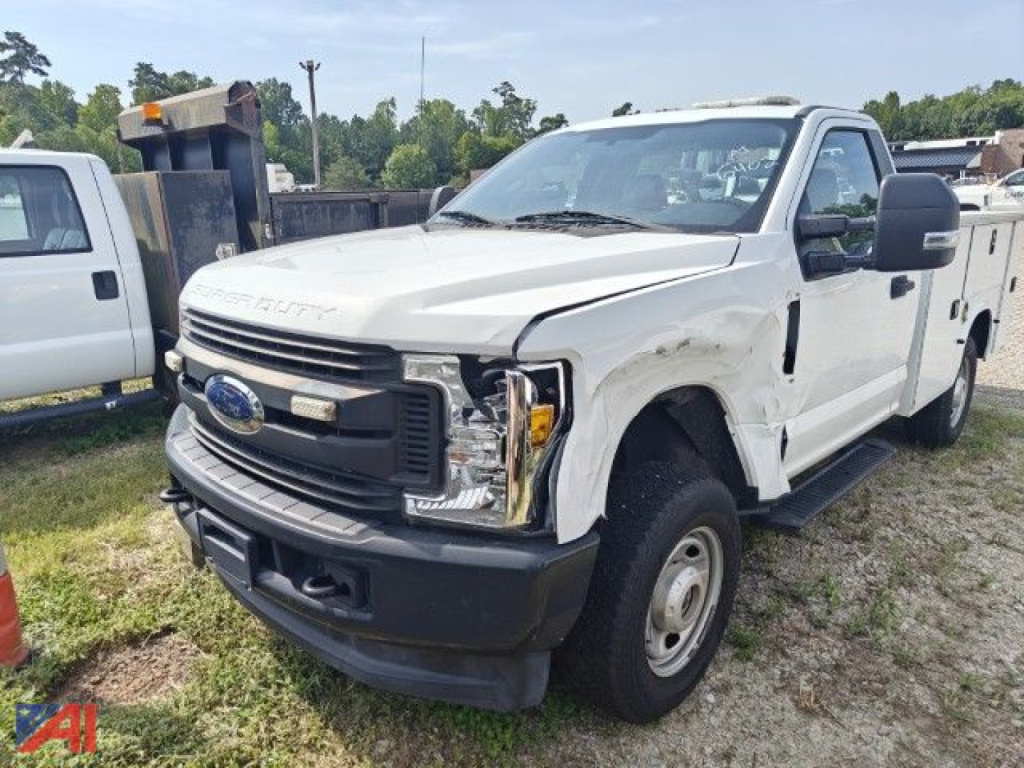
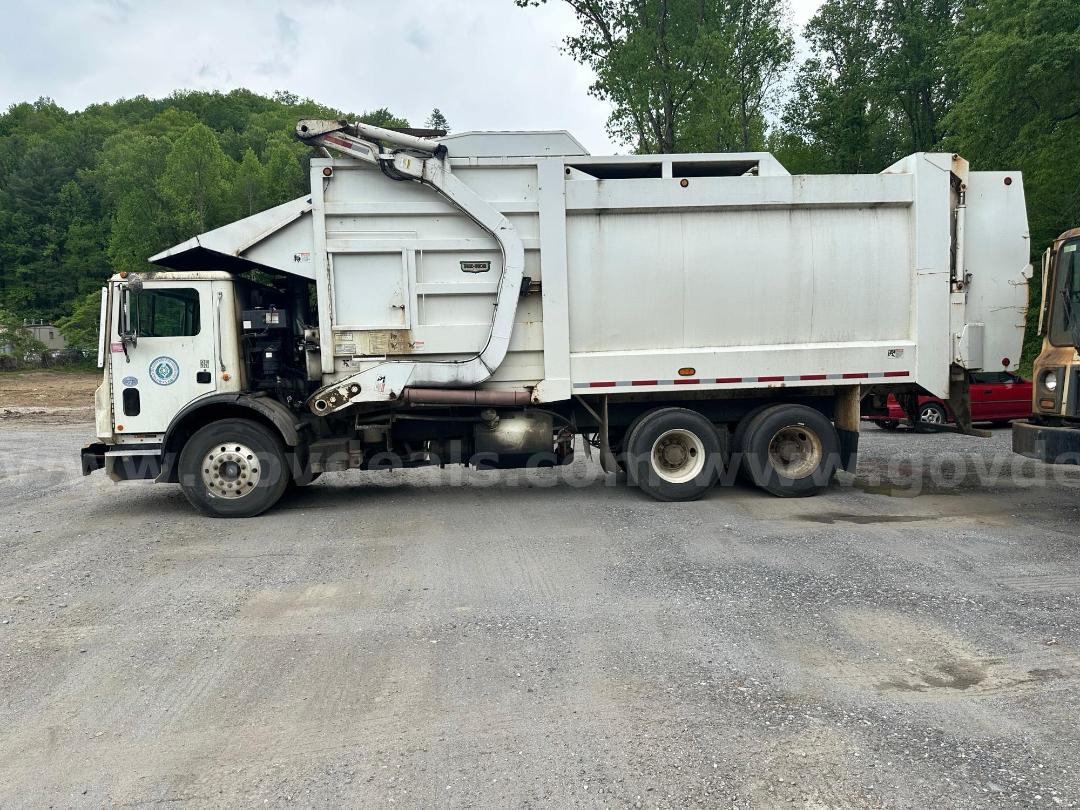

Have 2017 commercial truck to sell? List it here to reach thousands of buyers.
2017 Commercial Trucks in North Carolina
The most important buying decision is the truck's job history. A 2017 highway tractor may be spec'd with a 12 to 13 liter engine such as a Detroit DD13 or DD15, Cummins X15, PACCAR MX-13, or Volvo D13, paired with an automated transmission and 2.47 to 3.25 rear ratio depending on intended speed and payload. Day cabs usually have shorter wheelbases for dock work and regional lanes, while sleeper trucks often carry 60-inch to 80-inch sleepers, larger fuel capacity, and fairing packages designed for fuel economy. If the truck is a dump, service, vacuum, or other vocational configuration, buyers should pay close attention to frame ratings, suspension type, front axle capacity, hydraulic provisions, and whether the PTO and auxiliary systems match the application.
For a 2017 model, maintenance records matter as much as the badge on the hood. This is a year range where diesel particulate filter service, DEF system performance, injector history, aftertreatment repairs, transmission calibration, and suspension wear should all be reviewed closely. On higher-mileage road tractors, look at idle hours, engine brake operation, wheel seals, kingpin and bushing wear, clutch history on manual units, and the condition of the fifth wheel, airbags, and driveline. On vocational trucks, inspect pump hours, body corrosion, hydraulic leaks, frame modifications, and signs of severe off-road or stop-and-go service. North Carolina buyers should also consider rust exposure from coastal environments and confirm the truck's axle and brake specs fit state routes, bridge limits, and the trailer combinations they plan to run.
A well-matched 2017 truck can still be a strong revenue-producing asset if the spec aligns with the work. Buyers comparing listings should focus on GCWR, axle rating, wheelbase, engine family, transmission type, suspension, brake configuration, and tire setup before getting distracted by trim level or cosmetic upgrades. Features such as collision mitigation, lane departure warning, bunk heaters, APUs, air-slide fifth wheels, disc brakes, and super single tires may be valuable, but only if they support the route, maintenance plan, and driver preference. The best purchase in this category is usually the truck with the clearest service history, the right drivetrain for the load, and the fewest surprises in its emissions and chassis systems.
Frequently Asked Questions about 2017 Commercial Trucks in North Carolina
What should I look for first when buying a 2017 truck?
Start with application, mileage or hours, and maintenance history. The right 2017 truck is defined less by make and more by whether its axle ratings, wheelbase, engine, transmission, and suspension fit the work you need it to do. Service records for aftertreatment, DEF components, transmission work, brakes, and suspension repairs are especially important on this model year because age-related maintenance can affect uptime more than appearance.
Are 2017 trucks a good value compared with newer used trucks?
Yes, a 2017 truck can be a strong value if it has been maintained correctly. This model year is often new enough to include better cab comfort, improved aerodynamics, automated transmissions, and modern safety features, but old enough to come at a lower price point than late-model replacements. The tradeoff is that emissions components, wear items, and electronic systems may be entering a period where inspection quality matters more than purchase price alone.
What engine and transmission combinations are common in 2017 highway trucks?
Common 2017 highway truck combinations include 12 liter and 13 liter diesel engines paired with automated manual transmissions. Buyers will often see Detroit DD13 or DD15 with DT12, Volvo D13 with I-Shift, PACCAR MX-13 with automated Eaton or PACCAR transmissions, and Cummins X15 with Eaton Fuller manual or automated options. Rear axle ratios typically vary based on lane speed, terrain, and fuel economy goals, so that spec should be reviewed alongside horsepower and wheelbase.
How do I evaluate a 2017 vocational truck differently from a highway tractor?
Vocational trucks should be judged by body condition, PTO function, hydraulic performance, frame integrity, axle capacity, and the specific demands of the job they performed. A dump, vacuum, utility, or service truck may have fewer road miles than a tractor but more severe duty cycles, more idling, and more stress on pumps, mounts, and chassis components. Buyers should inspect signs of corrosion, body repairs, hydraulic leaks, and prior frame alterations, and confirm the truck can legally and safely carry the payload it is being purchased for.
Do North Carolina buyers need to consider any regional factors when shopping 2017 trucks?
Yes. North Carolina buyers should think about route type, terrain, port or regional freight use, and environmental exposure. Trucks used near the coast may show more corrosion, while trucks working mountain corridors may have driveline specs better suited to gradeability than flatland fuel economy. It is also smart to verify brake configuration, axle spacing, tire size, and weight ratings for the trailers, commodities, and lanes the truck will run in the state and surrounding Southeast markets.