
2016 Commercial Trucks For Sale in Alabama
Browse 2016 trucks for sale in Alabama, including day cabs, sleepers, vocational, and highway models with common specs and buyer guidance.
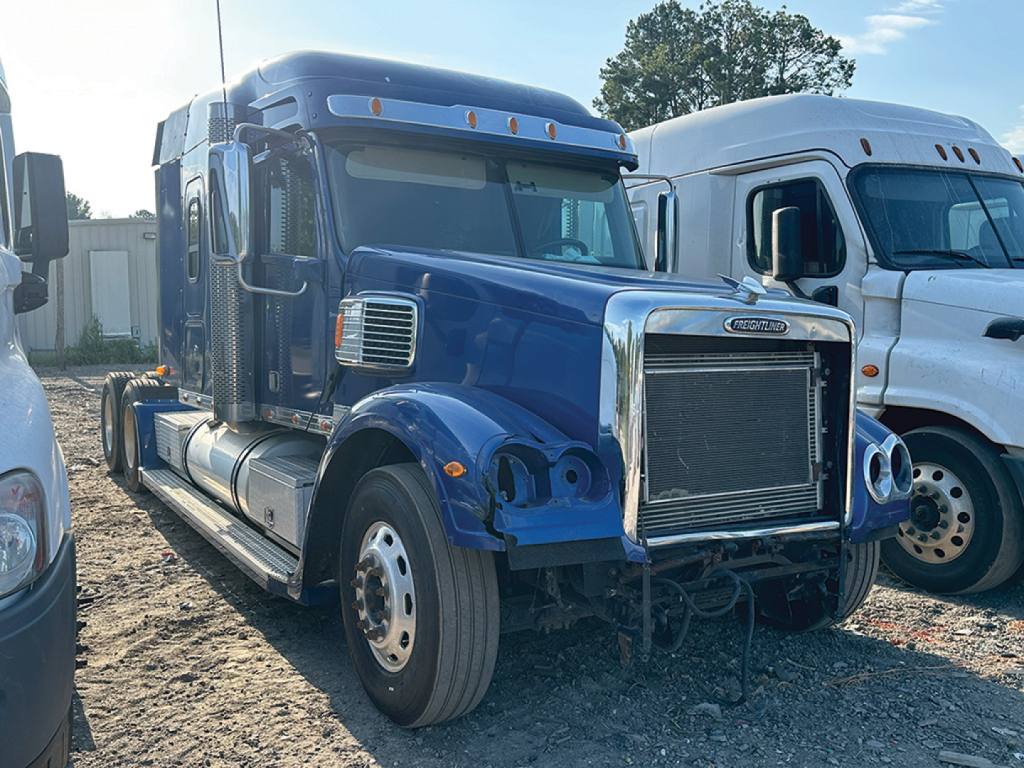

Have 2016 commercial truck to sell? List it here to reach thousands of buyers.
2016 Commercial Trucks in Alabama
For highway tractors, common 2016 configurations include 6x4 tandem axle setups, diesel engines from Cummins, Detroit, PACCAR, and Volvo, and horsepower ratings that often land between 400 and 500-plus HP. Manual and automated manual transmissions are both common in this model year, so buyers should think carefully about driver preference, maintenance history, and route profile. Day cabs are often preferred for regional hauling, port work, dump and transfer operations, and local heavy haul where wheelbase, rear axle ratio, and frame layout affect maneuverability and PTO compatibility. Sleeper trucks from 2016 still make sense for long-haul fleets and owner-operators who want a lower acquisition cost, but they should be evaluated closely for idle hours, bunk HVAC condition, and signs of interior wear that can tell you how the truck was used.
In Alabama, heat, humidity, and mixed on-road and jobsite use can accelerate wear in places buyers sometimes overlook. Pay close attention to cooling system condition, air system performance, A/C output, wiring repairs, and corrosion around battery boxes, frame hardware, and trailer connections. Suspension type also matters. Air ride generally favors ride quality and freight protection, while vocational suspensions may offer better stability in harsher work environments. On any 2016 truck, it is worth reviewing DPF, DEF, and EGR service records, checking for fault history, and confirming that the engine and aftertreatment system have not been poorly modified. A clean maintenance file can make a higher-mileage truck a safer buy than a lower-mileage unit with weak records.
The strongest 2016 truck value is usually found in a chassis that matches the work without carrying unnecessary spec. A regional tractor may benefit from a shorter wheelbase, 3.55 to 3.90 rear ratio, and a practical day cab layout, while a sleeper used in longer lanes may justify larger fuel capacity, a higher-roof bunk, and gearing aimed at fuel economy. Vocational buyers should verify frame reinforcement, PTO setup, front axle capacity, and body compatibility before focusing on cosmetic condition. Across the board, buyers should compare mileage with engine hours, look at tire and brake replacement timing, and inspect signs of prior overloading or frame modification. A well-specced 2016 truck can still deliver dependable service if the maintenance history, drivetrain, and intended application line up.
Frequently Asked Questions about 2016 Commercial Trucks in Alabama
What should I check first when buying a 2016 used truck?
Start with the truck’s application-critical specs and maintenance records. Confirm engine make, horsepower, transmission type, axle ratings, wheelbase, suspension, and rear ratio before anything else. Then review service history for oil changes, clutch or transmission work, injector repairs, turbo replacement, and especially aftertreatment service involving the DPF, DEF system, and EGR components. A 2016 truck can still be a strong buy if the records are complete and the chassis has been used in the kind of work you plan to do.
Are 2016 trucks a good value compared with newer models?
2016 trucks often represent a solid middle ground between purchase price and capability. They are new enough to offer modern drivetrains, better cab comfort, and broad parts support, but they usually cost less than late-model equipment. The key is condition rather than year alone. A well-maintained 2016 truck with documented repairs and proper specs can outperform a newer truck with neglected maintenance or the wrong configuration for the job.
What engine and transmission setups are common in 2016 trucks?
Many 2016 trucks were built with diesel engines from Cummins, Detroit, PACCAR, Volvo, and other major OEM suppliers, typically in the 400 to 500-plus horsepower range for highway tractors. Both manual and automated manual transmissions are common in this year group, with some vocational applications still favoring traditional manuals for PTO work or driver preference. Buyers should match the drivetrain to terrain, payload, and duty cycle instead of assuming one setup fits every operation.
What matters most on a 2016 day cab versus a 2016 sleeper truck?
On a 2016 day cab, buyers usually focus on wheelbase, axle ratio, suspension, PTO or wet kit readiness, and how the chassis fits local or regional work. Maneuverability and frame layout are often more important than cab amenities. On a 2016 sleeper, bunk condition, idle hours, HVAC performance, fuel capacity, and long-haul gearing become bigger factors. Sleeper buyers should also inspect interior wear closely because it often reveals how heavily the truck was used on the road.
Are there Alabama-specific concerns when shopping for a 2016 truck?
Yes. Alabama buyers should pay close attention to cooling system health, A/C performance, and corrosion related to humidity and outdoor storage. Trucks that have worked in construction, logging, or mixed pavement and dirt conditions may also show added wear in suspensions, wiring, air lines, and frame components. A careful inspection for heat-related wear, moisture intrusion, and prior jobsite damage is especially important on trucks that look clean cosmetically but have spent years in demanding service.