
2015 Commercial Trucks For Sale in Pennsylvania
Browse 2015 trucks for sale in Pennsylvania, including day cabs, sleepers, dump trucks, and vocational models for highway or local work.
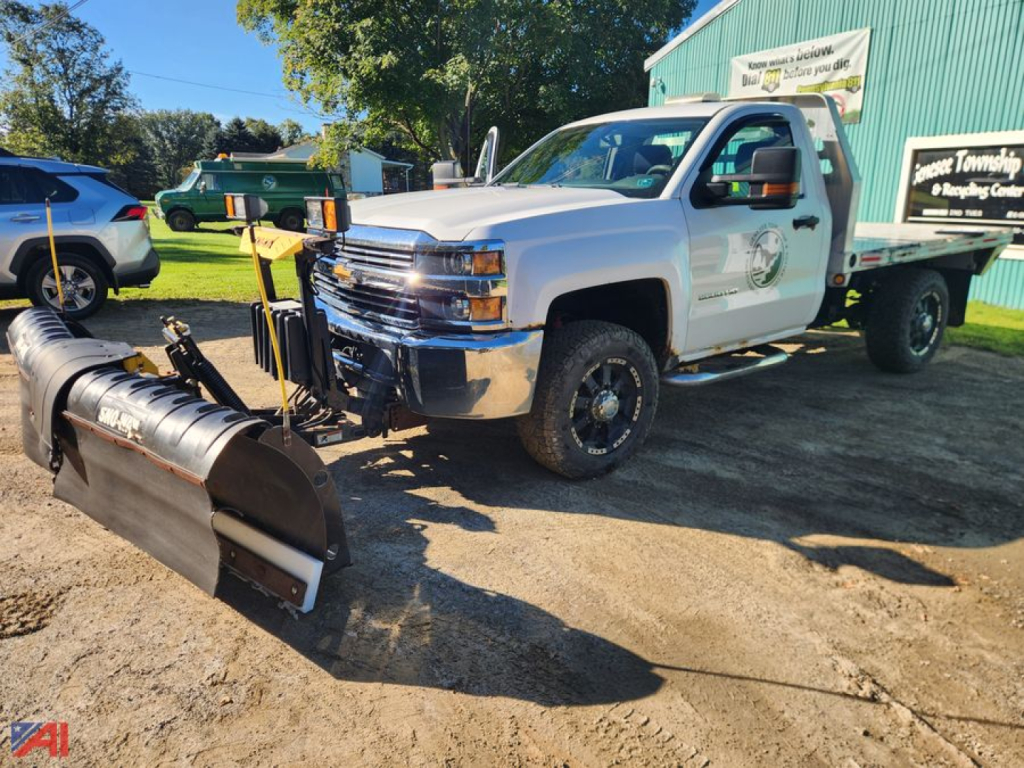
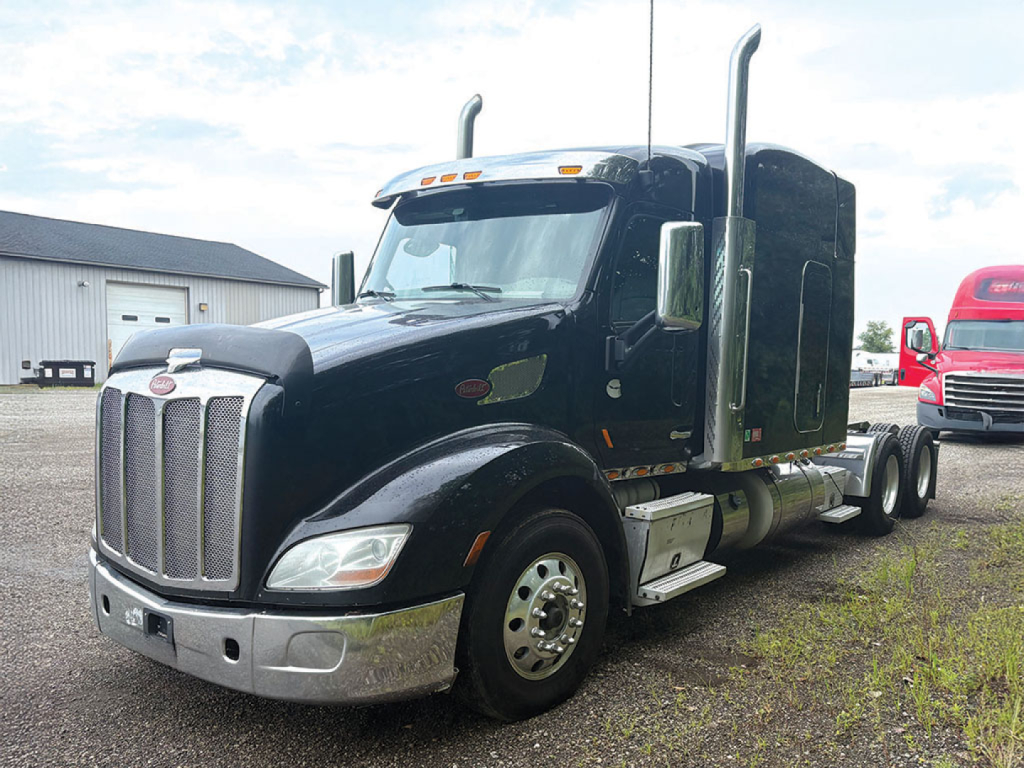
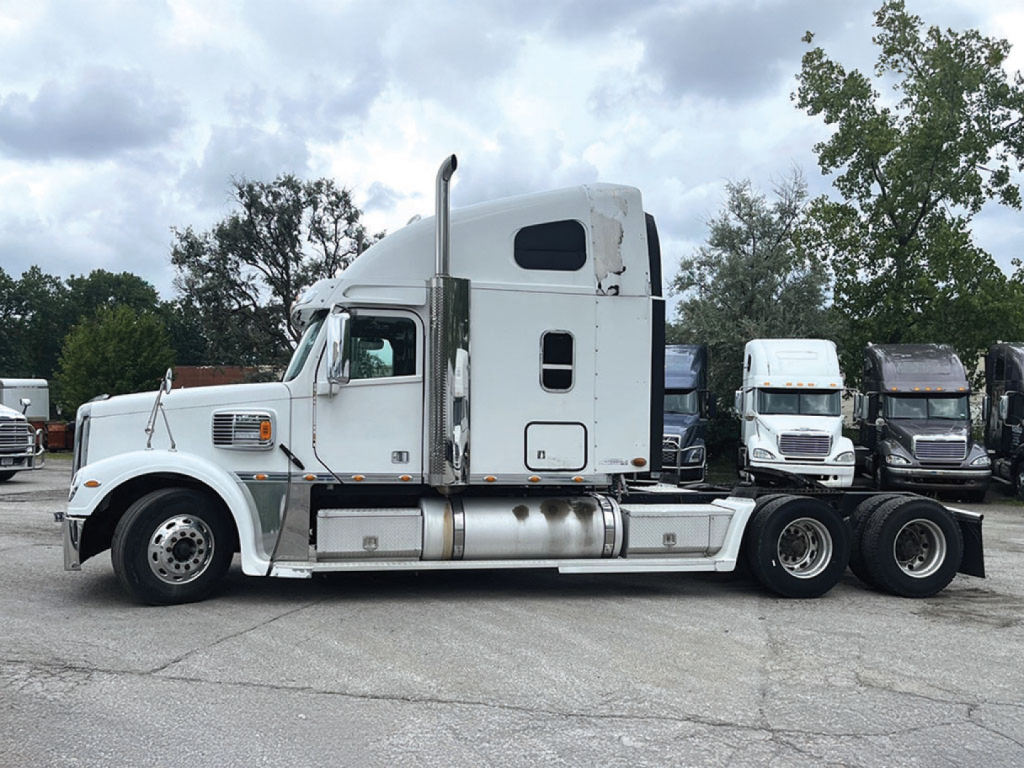
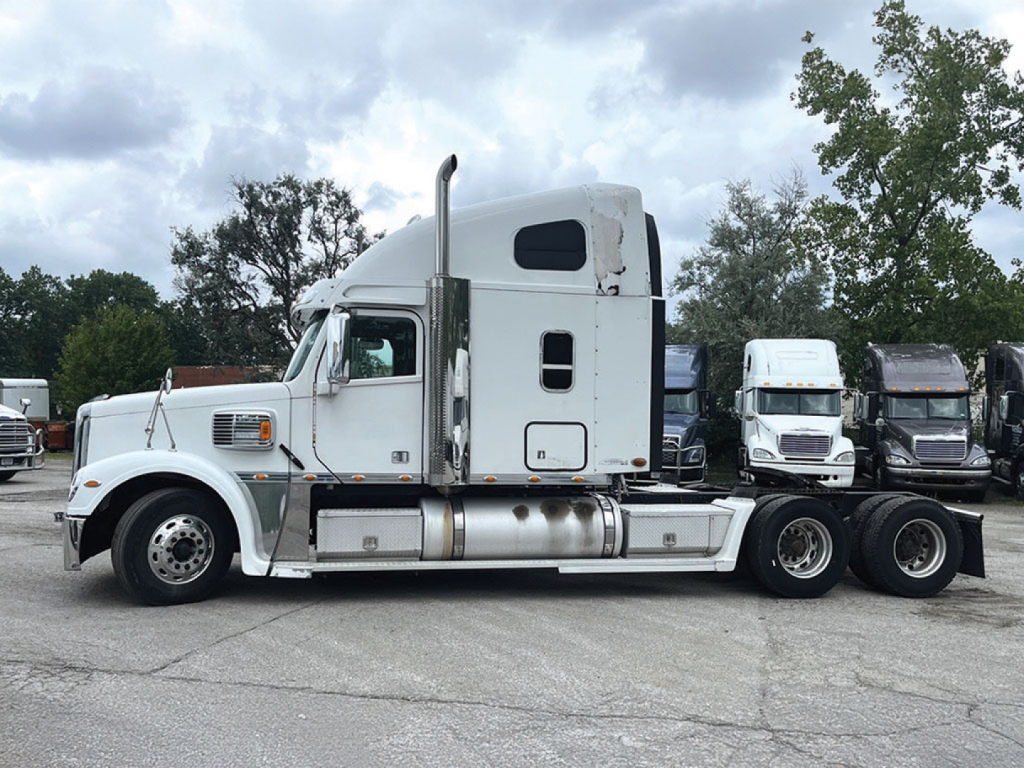
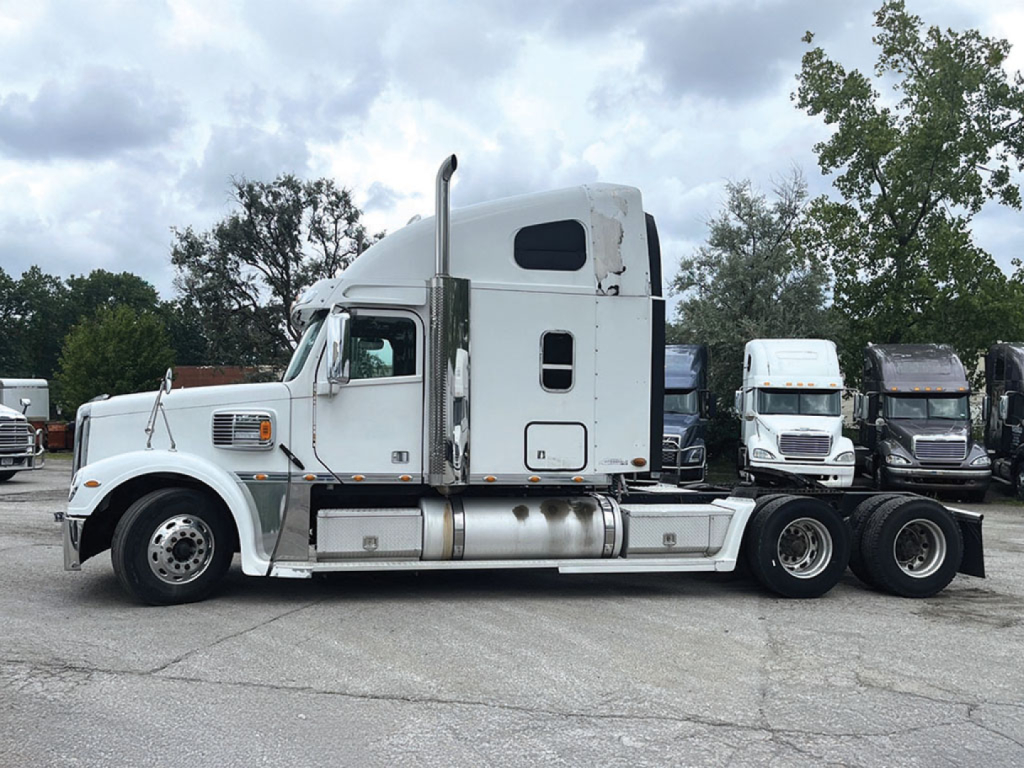
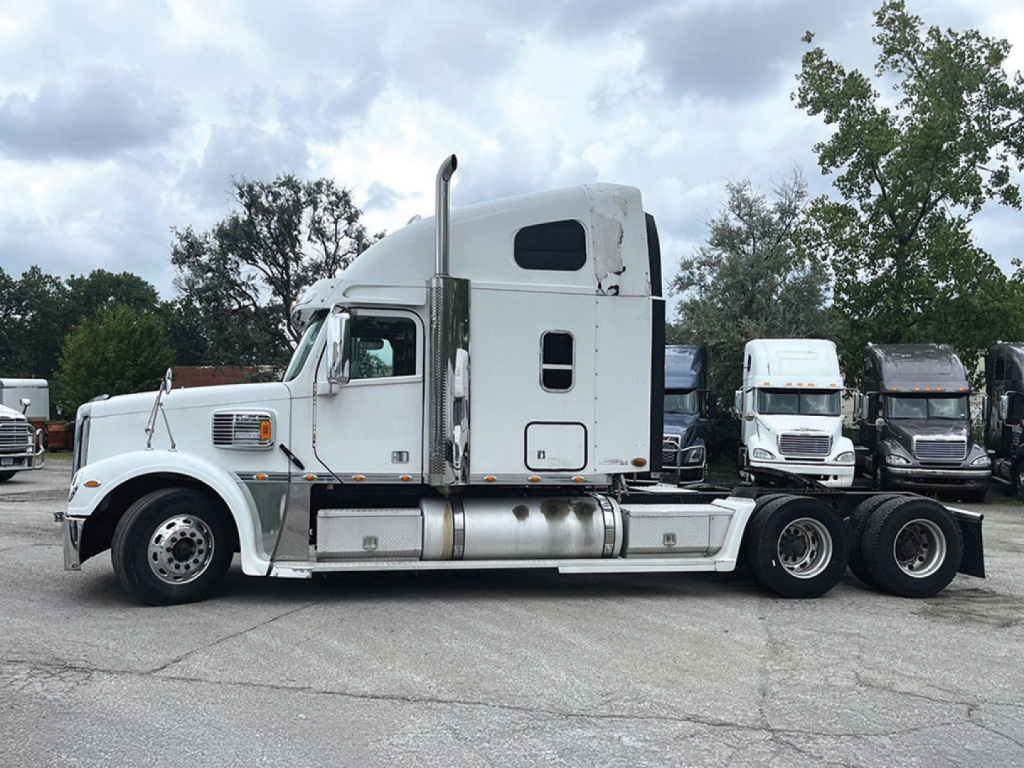
Have 2015 commercial truck to sell? List it here to reach thousands of buyers.
2015 Commercial Trucks in Pennsylvania
For highway use, many 2015 trucks were spec'd with engines such as the Cummins ISX15, Detroit DD13 or DD15, PACCAR MX, and similar platforms, often paired with 10-speed, 13-speed, or automated manual transmissions. Common rear axle ratings are around 40,000 pounds on Class 8 tractors, with ratios selected for fuel economy or regional pull depending on lane speed and terrain. In Pennsylvania, route profile matters. Fleets running the Turnpike, the Appalachian grades, or heavy Northeast freight should pay close attention to horsepower, torque, engine brake performance, and rears. A lower numerical ratio may suit long-haul freight, but a vocational or regional truck may need gearing better suited for starts, hills, or frequent stop-and-go work. Suspension, brake type, and wheelbase also affect maneuverability, ride, and payload flexibility.
For vocational buyers shopping 2015 dump trucks or work trucks, front axle capacity, frame condition, hoist setup, PTO operation, body condition, and corrosion deserve a close look, especially in a state where winter road treatment can be hard on steel, wiring, hydraulic lines, and underbody components. On-road tractors should be checked for fairing damage, fifth wheel wear, suspension bushing condition, aftertreatment service records, and signs of hard idle time. A 2015 model may also offer a practical balance of electronics and driver amenities, including air ride suspension, power windows, collision mitigation systems on some specs, and sleeper options with double bunks, APUs, or refrigerator cabinets in long-haul configurations.
The smartest way to compare 2015 trucks is to match the spec to the freight or jobsite instead of chasing a single make or model. Confirm GVWR or GCWR, axle layout such as 6x4 or 6x2, tire size, brake configuration, and intended trailer or body match. Review engine hours along with odometer miles, and look for documentation on DPF, DEF, EGR, clutch, injector, turbo, and suspension work. In Pennsylvania, local operating conditions make rust, frame scaling, and prior winter exposure especially important on any used truck. A well-spec'd 2015 truck can still deliver dependable service if the core drivetrain, emissions system, and chassis have been maintained to the job they were built to do.
Frequently Asked Questions about 2015 Commercial Trucks in Pennsylvania
What should I look for first when buying a 2015 used truck in Pennsylvania?
Start with the truck’s intended job, then verify the major specs that support that application. For a road tractor, focus on engine model, horsepower, transmission type, axle ratio, suspension, and wheelbase. For a dump or vocational truck, front axle rating, PTO setup, body condition, frame integrity, and hydraulic condition are more critical. In Pennsylvania, rust and corrosion should be inspected carefully on frames, crossmembers, brake components, wiring, and underbody hardware because winter road salt can shorten service life if a truck was not maintained properly.
Are 2015 trucks a good value compared with newer models?
A 2015 truck often sits in a practical middle ground between older pre-DEF equipment and higher-cost late-model trucks. Buyers can still find modern safety, comfort, and drivetrain features, but usually at a lower acquisition cost than a 2019 or newer unit. The tradeoff is that maintenance history matters more. A well-documented 2015 truck with solid aftertreatment service, drivetrain repairs, and chassis upkeep can be a better buy than a newer truck with poor records or an incomplete service history.
Which engine and transmission combinations are common in 2015 trucks?
In 2015 Class 8 trucks, common engine platforms include the Cummins ISX15, Detroit DD13, Detroit DD15, and PACCAR MX series, depending on make and model. Many were paired with manual transmissions such as 10-speed or 13-speed Eaton Fuller units, while automated manuals were also widely spec'd for fleet and regional applications. The best combination depends on your route profile and driver preference. Hill country, heavy loads, and vocational work usually benefit from strong torque, effective engine braking, and gearing matched to the application rather than a fuel-mileage-only spec.
What are the biggest concerns with emissions systems on a 2015 truck?
A 2015 truck will typically have a full modern emissions package that may include DPF, DEF, SCR, and EGR components. Buyers should ask for records covering forced regens, DPF cleaning or replacement, DEF system repairs, sensors, dosers, EGR valves, and related fault history. A clean test drive should include stable temperatures, no active warning lights, normal power delivery, and no signs of repeated derate issues. Emissions problems can be manageable if properly diagnosed and repaired, but deferred maintenance in this area can become expensive quickly.
How important are axle ratio and wheelbase on a 2015 truck?
Axle ratio and wheelbase have a direct effect on fuel economy, drivability, turning radius, and how the truck performs in its real workload. A long wheelbase and tall gearing may fit linehaul freight and large sleeper specs, while a shorter wheelbase can be more practical for city work, terminals, and vocational applications. Buyers in Pennsylvania should think about lane restrictions, customer yards, steep grades, and average payload. A truck with the right ratio and wheelbase for the route will usually perform better and cost less to operate than a mismatched spec with the same engine and transmission.