
2015 Commercial Trucks For Sale in Missouri
Have 2015 commercial truck to sell? List it here to reach thousands of buyers.
2015 Commercial Trucks in Missouri
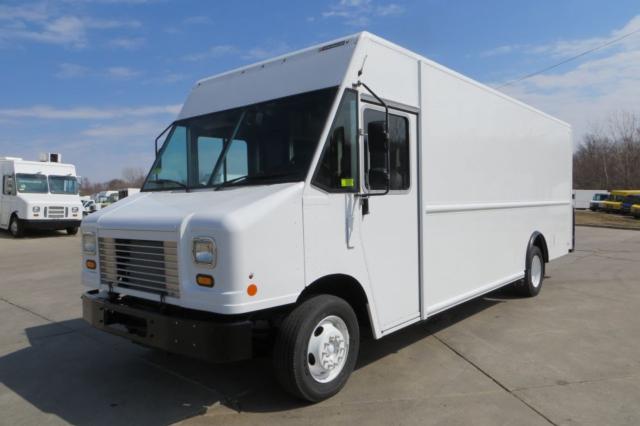
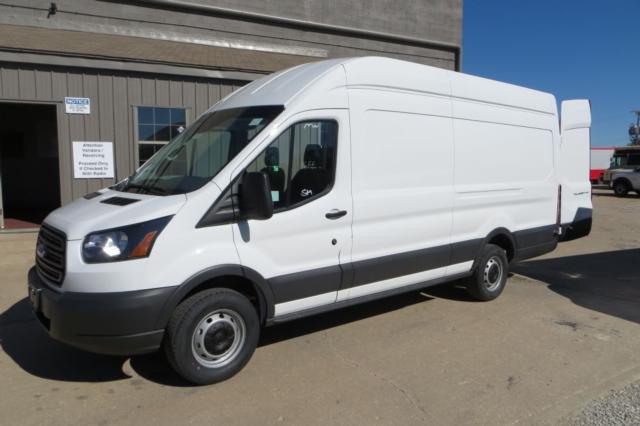
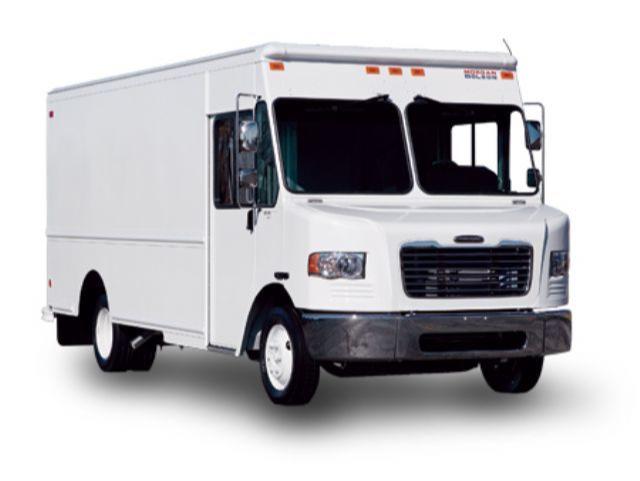
Configurations across this year are broad in Missouri listings. Aero sleepers like Cascadia Evolution, VNL, T680, 579, and ProStar+ dominate linehaul, often with fairings, side extenders, wheel covers, and idle-reduction packages like APUs or battery HVAC. Day cabs suit regional and bulk work with tighter wheelbases for plant and yard maneuvering. Medium-duty straight trucks such as M2-106, DuraStar 4300, Hino 268, and F-650 or F-750 appear with van bodies from 20 to 26 feet, liftgates, and sometimes reefer units from Thermo King or Carrier. Vocational choices include dump, roll-off, crane, and service bodies on robust frames with Hendrickson or Chalmers suspensions, double-frame or insert-frame options, and full-locking differentials for off-pavement traction.
Route profile in Missouri should guide gearing and spec selection. The I-70 corridor and I-44 through the Ozarks reward downsped highway ratios when paired with 12 speed AMTs and torque-rich 13 liter or 15 liter engines, while aggregate and farm routes with stop-and-go and hills benefit from mid-3 rear ratios and multi-speed rears. Watch overall wheelbase for bridge law and turning in St. Louis, Kansas City, Springfield, and Columbia industrial districts. Missouri is not CARB-restricted, but a 2015 engine is eligible for California travel under the Truck and Bus rule, which protects resale flexibility if you run interstate. Cold-start performance and block heaters matter for winter, and Midwest road salt makes a close look at frame rails, crossmembers, brake hardware, aluminum corrosion, and body mounts worthwhile.
Buying diligence on a 2015 truck centers on aftertreatment and drivetrain health. Ask for DPF cleaning dates, regen frequency, SCR dosing module or DEF pump replacements, and any nox sensor history. Verify software updates for DT12, I-Shift, and UltraShift Plus units, inspect clutch wear and XY shifter function, and road test for smooth shift logic under load. Pull ECM reports for idle percentage, overspeed, and fault history. On DD15, D13, MX-13, and ISX15, review overhead set intervals, injector or camshaft notes, and oil analysis for fuel dilution or coolant traces. Check suspension bushings, airbags, and ride-height valves, brake lining life and drum or rotor condition, steer tire wear for alignment, and sleeper HVAC or APU hours. For box and reefer trucks, verify body condition, door seals, floor integrity, liftgate cycle, and reefer hours with a pretrip and pulldown test. ELD readiness, PTO needs, and gear pump or wet kit requirements should be confirmed before committing to a unit.
Frequently Asked Questions about 2015 Commercial Trucks in Missouri
What engines and transmissions are most common in 2015 semi trucks, and how do they compare?
Expect Cummins ISX15, Detroit DD13 or DD15, Paccar MX-13, and Volvo D13. All deliver reliable torque bands suited to downsped cruising when paired with the right rear ratio. Transmissions include Eaton 10 to 18 speed manuals for simplicity and lower purchase cost, and automated manuals like Eaton UltraShift Plus, Detroit DT12, and Volvo I-Shift for better fuel economy and reduced driver fatigue. The AMTs shine on highway fleets with consistent loading, while manuals can be advantageous for certain vocational tasks and lower initial cost.
Are 2015 trucks compliant for operation in California and other emissions-restricted states?
A 2015 engine meets the EPA-2010 standard with SCR and DPF, which satisfies the California Truck and Bus rule for on-road diesel vehicles. That makes most 2015 highway trucks legal to operate in California and other states that follow similar rules. Always confirm engine model year on the emissions label and ensure the aftertreatment is intact and functional. Reefer units on straight trucks follow separate TRU rules, so verify the TRU model year and compliance if you haul temperature-controlled freight into CARB areas.
What rear axle ratio should I choose for Missouri routes?
For primarily highway work on I-70 and I-44, a ratio in the 2.64 to 3.08 range works well with a 12 speed AMT and tall final drive, keeping cruise rpm low at 65 to 70 mph. Mixed regional and hilly Ozark runs often benefit from 3.23 to 3.55 to maintain gradeability and launch with heavier loads or frequent stops. Match the ratio to tire size, transmission top gear, and your most common road speed, then validate gradeability and startability targets for your GCW.
What should I look for in the aftertreatment system on a 2015 truck?
Ask for documented DPF cleanings, forced regen frequency, and any replaced components such as DOC, DEF pump, injector, nox sensors, and wiring. Inspect for leaks or crystal buildup in the DEF lines, check that the SCR catalyst hasn’t been overridden, and scan the ECM for active or history codes. A consistent highway duty cycle usually leads to fewer issues, while heavy idle and short runs can load the DPF faster. A smoke test and exhaust backpressure check can reveal restrictions before they become costly.
How many miles are too many on a 2015 Class 8 tractor?
Mileage alone is not decisive. Many 2015 tractors with 700k to 900k miles still have strong service life if they have clean oil analysis, proper overhead and injector maintenance, healthy compression, and documented aftertreatment care. Factor in planned use, downtime tolerance, and set aside budget for wear items like clutch, brakes, suspension bushings, turbo actuators, and cooling system components over the next 100k to 200k miles.