
2014 Trucks For Sale in Texas
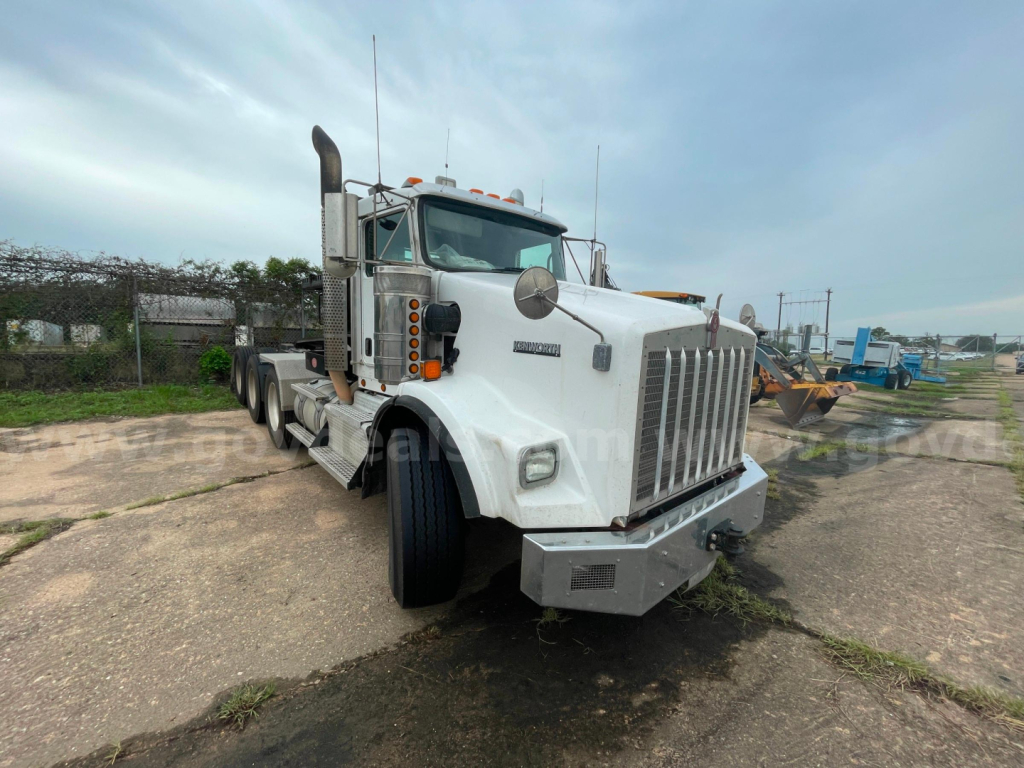


Have 2014 truck to sell? List it here to reach thousands of buyers.
2014 Trucks in Texas
On the spec side, 2014 trucks commonly show up with diesel engines from Cummins, Detroit, Paccar, Volvo, Mack, and Navistar, often paired with manual, automated manual, or fully automatic transmissions depending on application. Buyers should pay close attention to horsepower, torque, rear axle ratio, wheelbase, axle ratings, and suspension type. For Texas operations, cooling system condition, A/C performance, and emissions system history matter more than many buyers first realize, especially on trucks working in sustained heat or urban idle time. On Class 8 tractors, common decision points include sleeper size, fuel capacity, 5th wheel configuration, and whether the truck has the gearing for heavy regional loads or lower-RPM highway cruising.
For vocational and medium-duty 2014 trucks, body compatibility and PTO setup are often just as important as engine specs. Dump, mixer, roll-off, refuse, reefer, flatbed, and service truck buyers should verify frame condition, hydraulic operation, axle spread, and any body or upfit wear points tied to the truck’s prior job. If the truck will be titled and operated in Texas, it also makes sense to look at local route demands such as oilfield traffic, construction use, metro delivery cycles, and interstate running across long distances. A truck that performs well in Houston traffic may need a different transmission, suspension, or axle ratio than one running West Texas or I-35 linehaul.
A strong 2014 truck purchase usually comes down to maintenance history, drivetrain match, and remaining life in the chassis rather than the badge alone. Service records, engine hours, DPF and DEF system repairs, clutch or transmission work, brake condition, suspension wear, and tire age all deserve a hard look. Buyers comparing multiple 2014 trucks should focus less on cosmetic differences and more on total operating fit: payload, cab configuration, emissions reliability, and how easily the truck can be serviced in their region. That approach usually leads to a better long-term value than buying strictly on price or odometer reading.
Frequently Asked Questions about 2014 Trucks in Texas
What should I look for first when buying a 2014 truck?
Start with the truck’s application, drivetrain, and maintenance history. The most important question is whether the truck was originally spec'd for the same kind of work you plan to do. After that, review engine and transmission pairing, axle ratings, wheelbase, rear ratio, suspension type, and service records. On a 2014 truck, emissions-related repairs, cooling system condition, brake wear, tire age, and signs of frame or suspension fatigue can tell you more about future operating cost than appearance alone.
Are 2014 trucks still a good choice for commercial use in Texas?
Yes, many 2014 trucks still make solid business sense in Texas if the chassis has been maintained correctly and the specs fit the route. Texas operators often need trucks that can handle heat, long interstate runs, heavy vocational cycles, or dense metro traffic. A well-maintained 2014 unit can still perform reliably in those conditions, but buyers should pay close attention to A/C performance, radiator and charge air cooler condition, and the service history of the DPF and DEF systems.
What engines and transmissions are common in 2014 trucks?
The 2014 model year commonly includes engines from Cummins, Detroit, Paccar, Volvo, Mack, and Navistar, depending on truck class and manufacturer. Transmissions may be manual, automated manual, or automatic. Highway tractors often use automated manuals for fuel economy and driver convenience, while vocational trucks may use automatics or heavier-duty manual setups depending on PTO use and jobsite demands. The best combination depends on load, terrain, stop frequency, and maintenance preference.
Is mileage or engine hours more important on a 2014 truck?
Both matter, but neither should be viewed in isolation. Mileage helps evaluate wear on highway trucks, while engine hours can be especially important on vocational trucks or any unit that spent time idling. A truck with moderate miles but very high engine hours may have more wear in the engine, aftertreatment, and accessory systems than the odometer suggests. The better approach is to compare miles, hours, service records, idle profile, and overall condition together.
What makes one 2014 truck worth more than another in the same class?
Value usually comes from spec quality, service history, and how usable the truck is for a specific job. Higher-value trucks often have desirable axle ratings, better gearing, stronger maintenance documentation, cleaner frames, less body damage, and major component work already addressed. Features like air ride suspension, sleeper configuration, PTO equipment, aluminum wheels, disc brakes, or a documented overhaul can also affect price. A lower-priced truck may still be the better buy if it fits the application and avoids expensive deferred repairs.