
2014 Commercial Trucks For Sale in Iowa
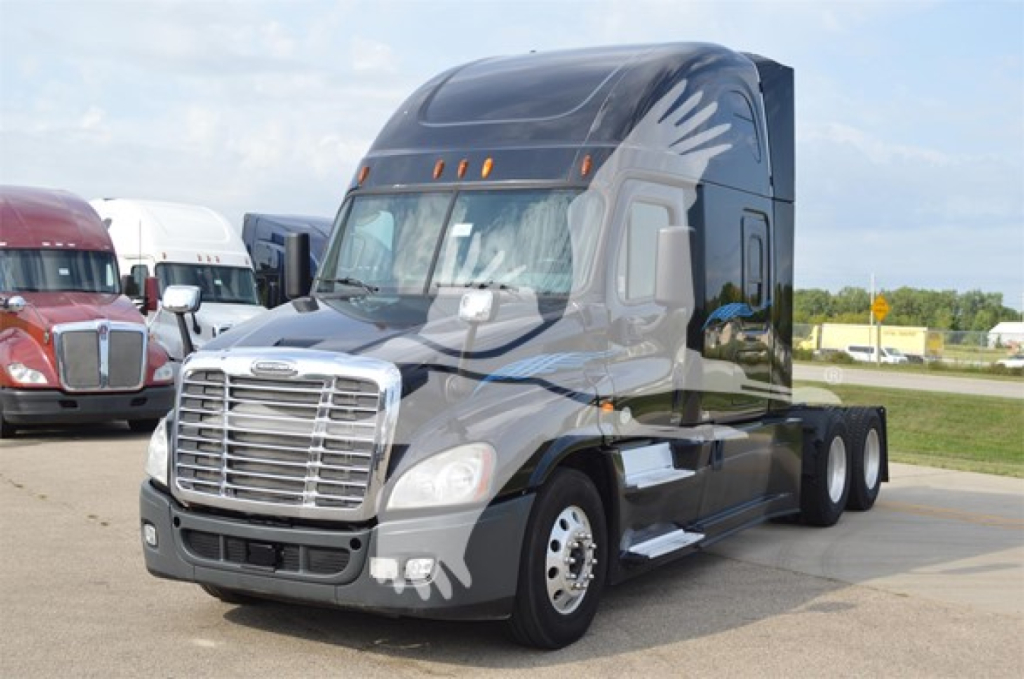

Have 2014 commercial truck to sell? List it here to reach thousands of buyers.
2014 Commercial Trucks in Iowa
For Iowa buyers, rust, frame condition, and seasonal-use wear should be near the top of the checklist. Trucks that have handled snow, salt, sand, brine, or county road work can have solid drivetrains but still show corrosion on dump bodies, spreader systems, hydraulic lines, plow mounts, crossmembers, and electrical connections. A 2014 dump truck, for example, may come with a single-axle 4x2 setup for municipal routes or site work, often paired with engines in the DT466 or similar medium-duty class and Allison automatics for stop-and-go service. Cab and chassis trucks from this year are also common candidates for flatbed, tanker, utility, box, and service body installations, so wheelbase, frame height, PTO capability, front axle rating, and rear suspension design deserve close attention before buying.
The best 2014 truck choice depends on the work cycle. For local hauling, snow and ice control, utility service, and farm support, buyers usually focus on GVWR, axle configuration, body condition, and hydraulic function more than sleeper amenities or highway gearing. If the truck is already upfitted, inspect the body and auxiliary equipment as carefully as the engine and transmission. Hoists, spreaders, wet kits, pusher axles, tool compartments, and PTO-driven systems can add real value, but only if they operate correctly and parts support is still available. On-road trucks from 2014 can also be attractive for regional use, but emissions system health, fault history, regen performance, and maintenance documentation should be reviewed carefully, especially on higher-mileage diesel units.
A well-matched 2014 truck can still deliver dependable service in construction, municipal work, agriculture, and specialized fleet applications. Buyers should compare mileage against idle hours, verify engine family and transmission model, check brake and suspension wear, and look closely at title status and service records. In this age range, a clean frame, consistent maintenance, and the right vocational spec usually matter more than cosmetic appearance. The smartest buy is the truck that already fits the job with the fewest compromises on payload, equipment, and compliance.
Frequently Asked Questions about 2014 Commercial Trucks in Iowa
What should I look for first when buying a 2014 used truck in Iowa?
Start with the truck’s prior application and overall structural condition. In Iowa, many 2014 trucks have seen municipal, construction, agricultural, or winter road service, so corrosion is a major factor. Inspect the frame rails, spring hangers, cab mounts, body supports, hydraulic plumbing, brake lines, and electrical connectors. After that, verify engine hours if available, transmission operation, PTO function, axle ratings, and maintenance records. A truck with average cosmetics but a solid frame and documented service history is usually the better long-term buy.
Are 2014 dump trucks still a good value for municipal or construction work?
Yes, a 2014 dump truck can still be a very practical choice if the hoist, body, chassis, and drivetrain have been maintained properly. Many trucks from this year were spec’d for local duty with proven medium-duty diesel engines, automatic transmissions, and straightforward hydraulic systems. The key is to inspect the dump body floor, tailgate, hinge points, hoist cylinder, PTO engagement, and any plow or spreader equipment for wear or corrosion. Buyers should also confirm GVWR, axle configuration, and whether the truck’s body size matches the intended payload and route conditions.
Is a 2014 cab and chassis truck a good platform for a new upfit?
A 2014 cab and chassis can be an excellent upfit platform if the wheelbase, frame layout, axle ratings, and PTO provisions match the body you plan to install. This model year is common in fleets that need flatbeds, utility bodies, service bodies, dump inserts, and other vocational equipment. Before buying, measure usable frame length, look for frame modifications, confirm rear suspension capacity, and review any existing wiring or hydraulic provisions. A clean, uncut frame with the right spec can save significant time and cost during the body installation process.
How important are emissions system checks on a 2014 diesel truck?
They are critical. By 2014, most diesel trucks were operating with modern emissions components that can become expensive if neglected. Buyers should check for active or stored fault codes, confirm proper regen operation, and inspect the aftertreatment system for signs of repeated derates, sensor replacement history, or incomplete repairs. A truck that runs well mechanically can still become costly if the emissions system has unresolved issues. Service documentation and a diagnostic scan are both highly recommended before purchase.
Does mileage matter more than age on a 2014 truck?
Mileage matters, but it should be considered alongside engine hours, duty cycle, maintenance history, and the type of work the truck performed. A 2014 truck with higher miles from steady road use may be a better candidate than a lower-mile truck that spent years in stop-and-go municipal work, idling, or hauling heavy loads in harsh conditions. Buyers should evaluate wear across the whole truck, including suspension, brakes, driveline, hydraulics, and cab condition. The most useful measure is not mileage alone, but how the truck was used and how well it was maintained.