
2013 Trucks For Sale
Shop 2013 trucks for sale. Compare emissions systems, floor strength, thermal integrity, tare weight, and corrosion protection to spec the right unit.
Learn morePopular Trucks Categories
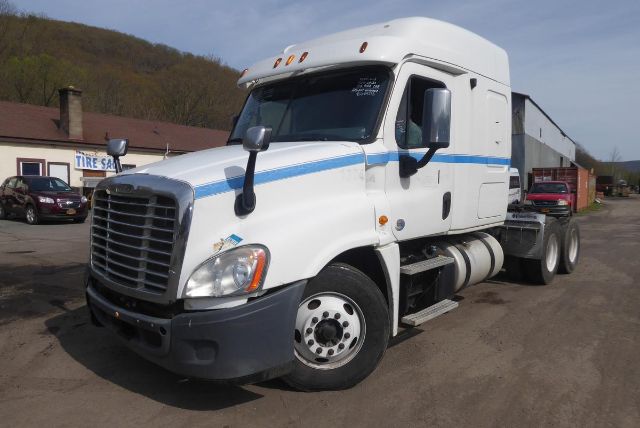
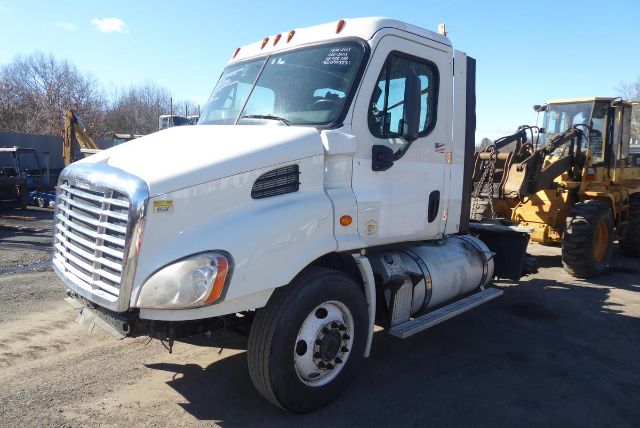
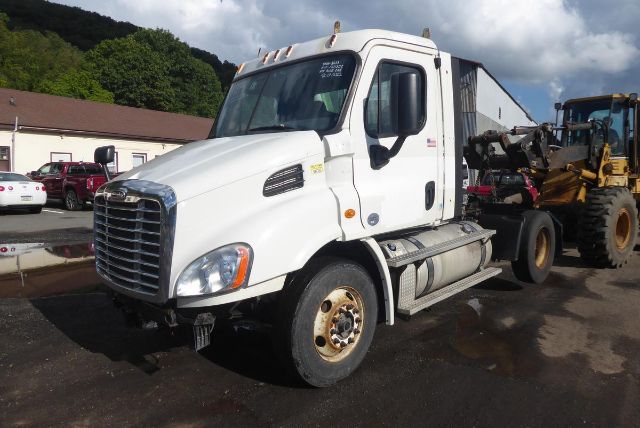
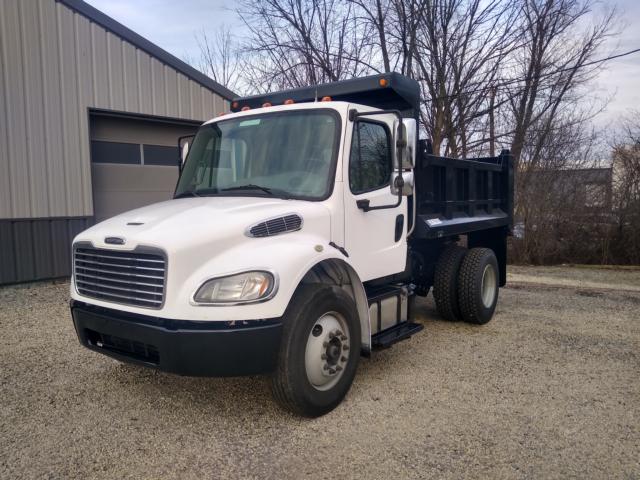
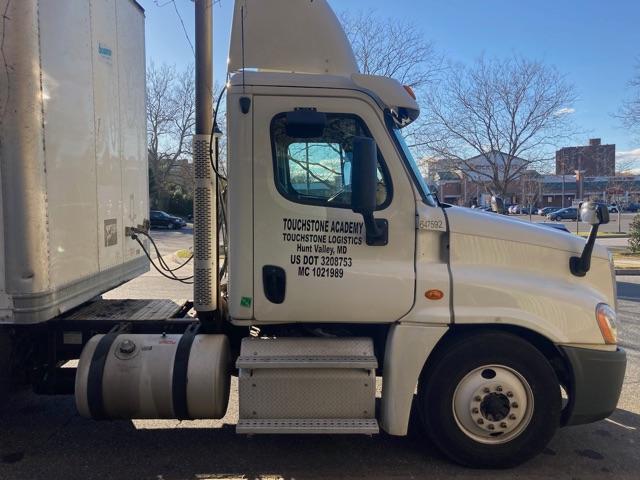
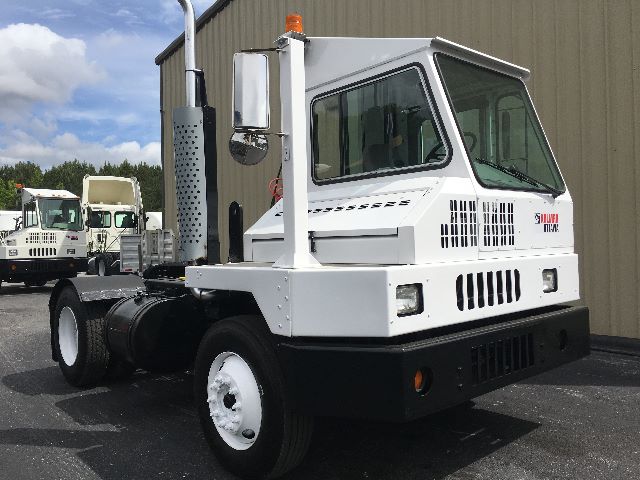
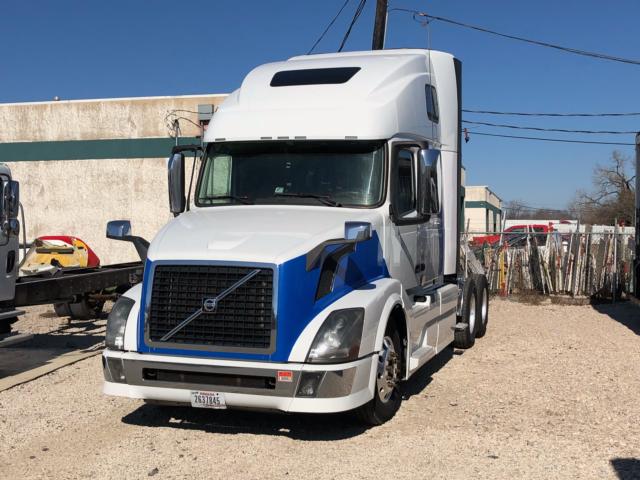

Showing 49 to 60 of 64 results
Have 2013 truck to sell? List it here to reach thousands of buyers.
About 2013 Trucks
Chassis durability in this model year is defined by frame rail RBM and corrosion protection. Look for heat treated rails with adequate section modulus for your payload and PTO needs, Huck bolted crossmembers, and clean fifth wheel angles. Corrosion resistance improves with e coated or powder coated frames, aluminum cabs and wheels, stainless or composite battery boxes, and sealed Deutsch connectors. Inspect spring hangers, radius rod brackets, cab mounts, and under cab wiring for rust bloom or chafing, and check fairing fasteners and steps for galvanic corrosion where aluminum meets steel. Air disc brakes began to appear more often in 2013, they resist fade and shed water better than drums, but confirm rotor thickness and caliper slide condition.
Body specification drives floor strength and thermal integrity. For 2013 box trucks, look for laminated hardwood or aluminum plank floors with tight crossmember spacing, 10 to 12 inch on center is common, forklift rating, and intact scuff liners at 12 to 24 inches to protect sidewalls. Flatbed and stake bodies should show straight sills, sound apitong or aluminum deck boards, and no weld cracking at winch tracks. Dump bodies built from AR400 or similar abrasion resistant steel deliver long life, confirm floor and sidewall thickness and hoist class. Reefer straight trucks depend on insulation continuity, foam in place panels, sealed door gaskets, and intact T floor or ducted return air paths; thermal integrity shows in fast pull down, minimal temperature swing, and dry, undelaminated panels.
Tare weight determines payload and fuel burn, so compare wheelbase, sleeper size, axle count, suspension type, and material choices. Aluminum wheels, single wide tires where appropriate, aluminum air tanks and bumper, and right sized fuel tanks can remove hundreds of pounds while maintaining durability. Air ride improves ride and protects cargo, spring suspensions save weight and cost, each has a place depending on route and freight. Before committing to a used 2013 semi truck or medium duty chassis, review ECM downloads for fault free miles, regen frequency, and idle time, borescope or ash load data on the DPF if available, DEF pump and doser history, and NOx sensor age. Pressure test the charge air cooler, look for coolant staining at the EGR cooler, verify cab HVAC performance, and inspect wiring harness seals. A clean emissions history and a dry, straight frame usually matter more than cosmetics on a 2013 truck for sale.
Frequently Asked Questions
What should I focus on with 2013 emissions systems before I buy?
Confirm the SCR and DPF history, look for documented regens, ash cleanings, and sensor replacements. DEF quality and dosing matter, inspect the DEF tank for contamination, verify the doser is not coked, and check for stored NOx, differential pressure, and SCR efficiency codes. A road test with a data logger that shows stable inlet and outlet NOx, normal backpressure, and no derate events is ideal. Engines that were updated with current calibrations and recent DEF pump or NOx sensor replacements usually offer better uptime.
How do I evaluate floor strength on a 2013 box or flatbed truck?
On box trucks, verify forklift rating, material type, and crossmember spacing, then inspect for crushed or oil soaked hardwood, loose or broken fasteners, and soft spots at rear thresholds. Aluminum plank floors should sit flat with tight seams and no uplift at wheel boxes. On flatbeds, check deck board condition, stake pockets and winch tracks for cracking, and make sure the main sills are straight. Crossmember spacing of 10 to 12 inches and intact scuff liners protect walls and floors, which preserves resale value and prevents racking.
How can I test thermal integrity on a 2013 reefer straight truck?
Run a pull down test from ambient to setpoint and time it, then monitor box temperature stability with the doors closed. Inspect door gaskets, hinge alignment, and floor drains for air leaks. Look for delamination, wet insulation, or blistering on interior panels, and confirm the T floor is clean and unobstructed for even airflow. Review the reefer unit service logs for compressor, evaporator fan, and controller updates, and verify the fuel tank and lines are tight to avoid air ingestion that can cause nuisance shutdowns.
How much does tare weight vary on 2013 trucks, and how can I reduce it without hurting durability?
Tare weight on 2013 trucks swings widely with sleeper size, axle configuration, suspension, and body spec. Day cabs with aluminum wheels, aluminum tanks, and air ride often weigh 1,000 to 2,000 pounds less than comparable sleepers, and medium duty box trucks vary by body length and floor construction. To trim weight, consider aluminum wheels, right sized fuel tanks, single wide tires where your routes allow, composite fifth wheel tops, and eliminating unneeded fairings or toolboxes. Keep structural items like frame reinforcement, crossmember count, and appropriate suspension capacity, those protect longevity.
What are common corrosion hot spots on 2013 trucks, and how do I assess them?
Focus on frame flanges near suspension hangers, crossmember ends, fifth wheel mounting angles, cab mounts, battery boxes, and step brackets. Check for scaling under peeling paint, swollen seams where aluminum meets steel, and greened or brittle wiring at connectors. Look behind splash shields and inside fairings for trapped road salt. Good signs include e coated or powder coated frames, stainless or composite components, intact harness seals, and recent rust remediation with epoxy primer and cavity wax; these extend service life substantially.