
2013 Commercial Trucks For Sale in Texas
Browse 2013 trucks for sale in Texas, including day cabs, sleepers, straight trucks, and vocational models for regional, local, and heavy-duty work.
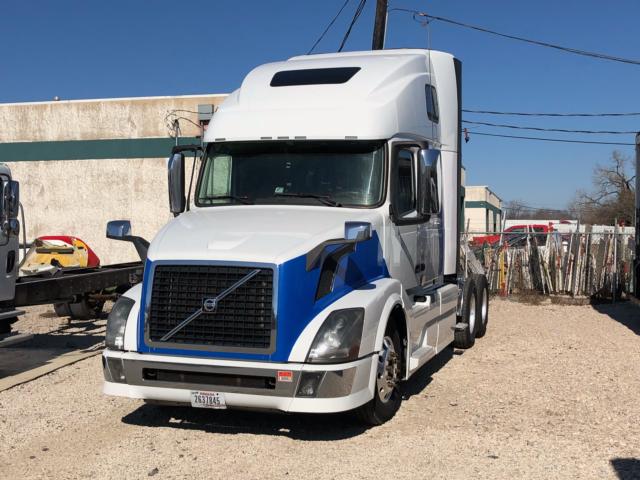

Have 2013 commercial truck to sell? List it here to reach thousands of buyers.
2013 Commercial Trucks in Texas
Powertrain selection matters more than model year alone. Many 2013 trucks on the market are equipped with diesel engines from Cummins, Detroit, PACCAR, Mack, or Navistar, often paired with manual, automated manual, or Allison automatic transmissions depending on application. Buyers should pay close attention to horsepower, torque rating, transmission type, rear axle ratio, axle capacity, and suspension design. A tandem axle road tractor with air ride suspension and a highway ratio will drive very differently than a single axle straight truck with spring suspension and a deep rear ratio. If the truck will spend time in stop-and-go service, PTO work, or off-pavement applications, transmission calibration, cooling system condition, and suspension spec become especially important.
For Texas buyers, application and geography often drive the decision. Oilfield support, aggregate hauling, agriculture, regional freight, and metro delivery each place different demands on a truck. In hotter climates and high-mileage service, buyers should inspect cooling systems, A/C performance, emissions components, and overall maintenance history closely. On 2013 trucks, that includes looking carefully at DPF, DEF, EGR, and aftertreatment service records, especially on diesel units used in frequent idle or short-route duty cycles. Cab condition, frame integrity, brake type, wheelbase, fifth wheel setup, body condition, and tire wear patterns can tell a lot about how the truck was used and maintained.
A good 2013 truck is usually defined less by age and more by specification, maintenance discipline, and remaining fit for the intended work. Buyers comparing listings should look beyond make and mileage and focus on GVWR or GCWR, front and rear axle ratings, body or trailer compatibility, and whether the truck has the right gearing and wheelbase for the route. On tractors, details like fuel tank capacity, fairings, sleeper configuration, and fifth wheel travel matter. On straight and vocational trucks, body length, hoist or PTO setup, hydraulic system condition, and upfit quality often matter more than cosmetics. The right 2013 truck can still deliver solid service life if the spec matches the operation and the truck shows consistent maintenance.
Frequently Asked Questions about 2013 Commercial Trucks in Texas
What should I check first when buying a 2013 truck?
Start with the truck’s intended application and confirm that the chassis spec matches it. Review GVWR or GCWR, axle ratings, wheelbase, engine and transmission combination, rear axle ratio, and suspension type before focusing on cosmetic condition. After that, look at maintenance records, engine hours if available, emissions system service history, tire condition, brake wear, and signs of frame or body repairs. A well-maintained 2013 truck with the correct spec is usually a better buy than a newer truck with the wrong configuration.
Are 2013 diesel trucks still a good choice for commercial use?
Yes, many 2013 diesel trucks are still viable in commercial service if they have been maintained correctly and the remaining life matches the buyer’s operating plan. The key is to inspect the engine, transmission, aftertreatment system, cooling system, and driveline carefully. This model year often appeals to buyers who want lower upfront cost, but repair budgeting is important. A pre-purchase inspection with engine diagnostics, fluid analysis, and a review of fault history is a smart step on any used commercial truck.
What types of 2013 trucks are commonly available in Texas?
Texas typically has a broad range of 2013 trucks because the market supports long-haul freight, regional distribution, construction, municipal work, energy service, and agricultural hauling. Buyers may find conventional day cabs, conventional sleepers, straight trucks, dump trucks, service trucks, roll-off trucks, water trucks, and other vocational configurations. The state’s large freight and vocational market often means more variation in axle setups, body options, PTO equipment, and heavy-duty specifications than in smaller regional markets.
How important is emissions system history on a 2013 truck?
Emissions history is very important on a 2013 truck because diesel aftertreatment performance can have a major effect on uptime and repair cost. Buyers should ask about DPF cleaning intervals, DEF system repairs, EGR service, sensor replacement, and any recurring fault codes or derate events. Trucks used in short-haul, idle-heavy, or PTO-driven applications can see more aftertreatment stress than trucks run consistently at highway speeds. A clean service record and diagnostic scan can reduce the risk of expensive surprises.
Should I choose a day cab, sleeper, or straight truck in the 2013 market?
The right choice depends on route length, cargo type, and whether the truck is pulling a trailer or carrying the load on its own chassis. A day cab is generally best for local and regional tractor work where low weight and shorter overall length matter. A sleeper is better for longer routes and team or overnight operations. A straight truck is usually the better fit for city delivery, contractor work, utility service, or specialized body applications where the truck itself carries the cargo or equipment.