
2013 Commercial Trucks For Sale in Florida
Browse 2013 trucks for sale in Florida, including medium-duty and heavy-duty work trucks with diesel power, PTO options, and commercial upfits.
Selling a 2013 commercial truck? List your 2013 commercial truck for sale and reach thousands of commercial buyers.
2013 Commercial Trucks in Florida
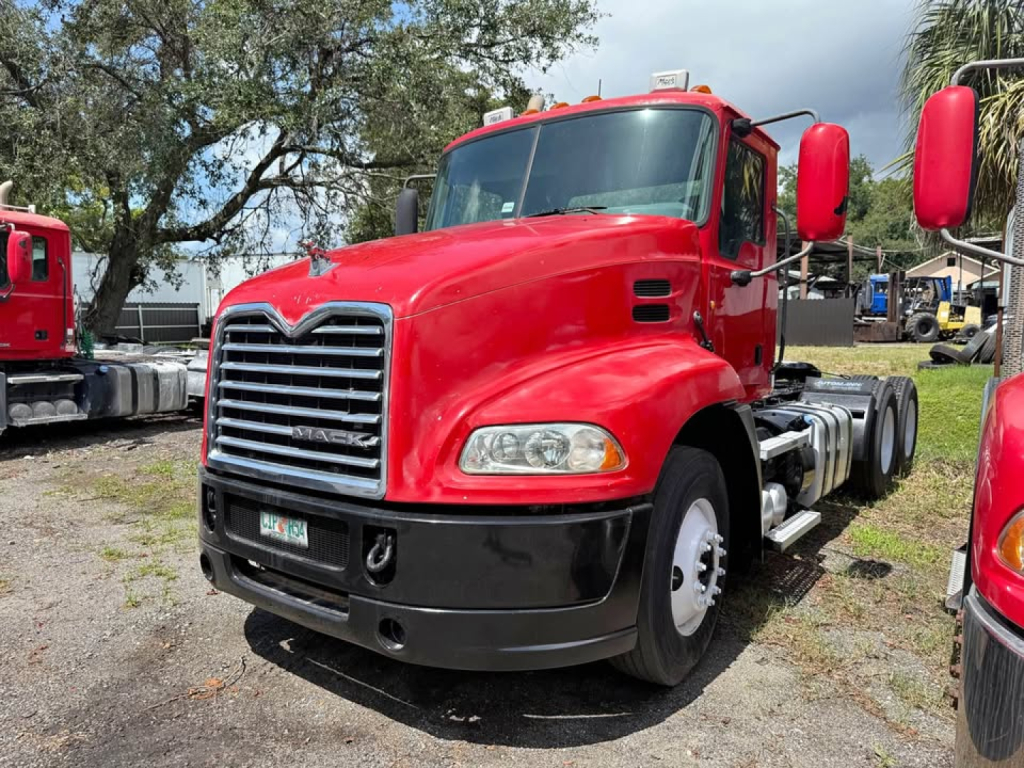
For highway and regional work, many 2013 conventional trucks came with diesel engines from Cummins, Detroit, Paccar, Mack, or Navistar, paired with manual, automated manual, or full automatic transmissions. Day cabs are common for short-haul and port work, while sleeper trucks make more sense for longer lanes. Key specs to compare are horsepower, torque, rear axle ratio, suspension type, and front and rear axle ratings. A lower numerical ratio can help fuel economy on highway runs, while vocational setups often favor gearing that supports startability and PTO-driven equipment. If the truck is intended for heavy trailer work, look closely at fifth wheel spec, frame condition, brake type, and any signs of suspension or driveline wear.
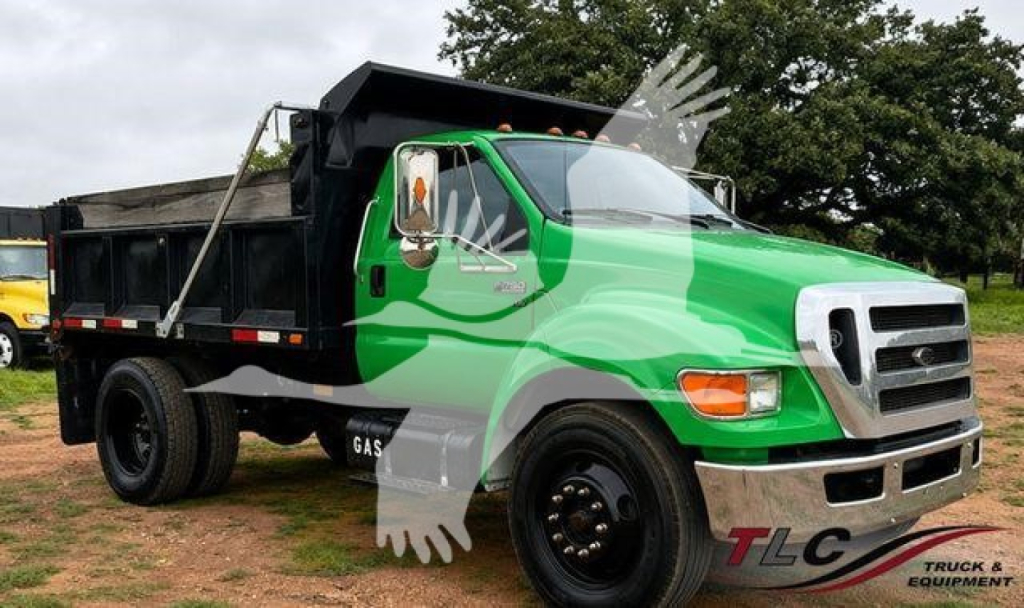
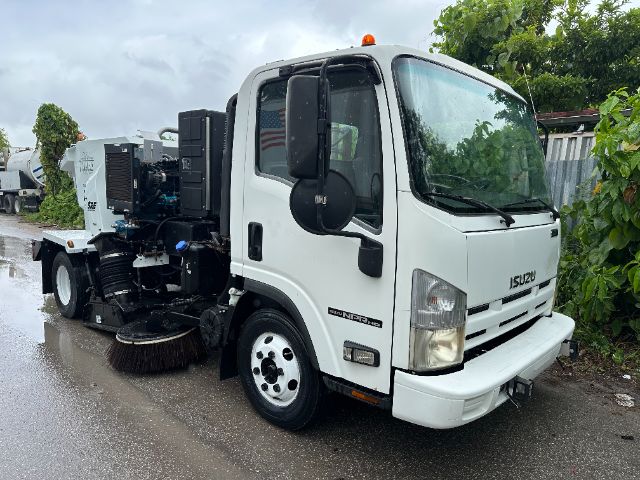
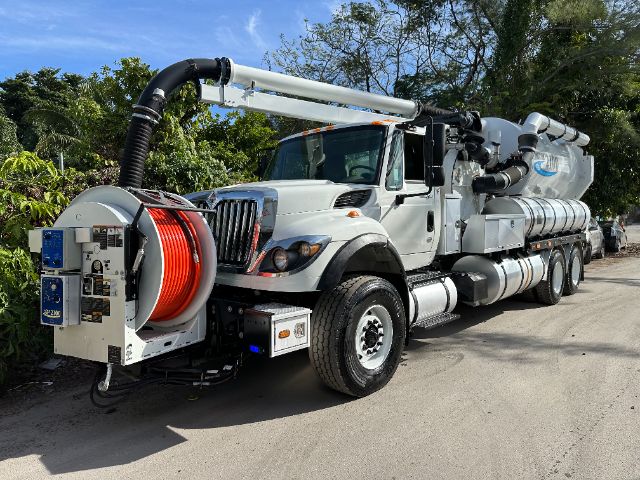
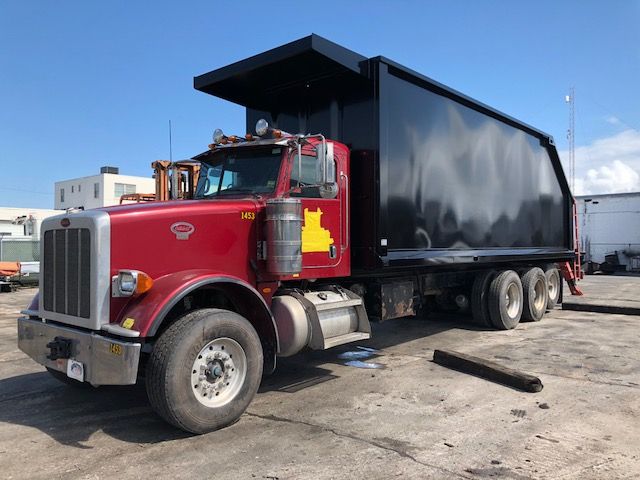
For work truck buyers, 2013 trucks are often found as dump trucks, rollback tow trucks, service trucks, box trucks, hooklift or roll-off units, grapple trucks, and other upfitted chassis. In these applications, the body and hydraulic system can matter as much as the cab and engine. PTO operation, hoist performance, bed length, winch rating, crane or grapple condition, and corrosion around mounts and crossmembers all deserve close inspection. In Florida, trucks that have worked around the coast should be checked carefully for rust on electrical connections, hydraulic fittings, wheel ends, and underbody components, even when the cab and paint present well.
A smart 2013 truck purchase usually comes down to service history and total remaining life. Buyers should pay attention to DPF, DEF, EGR, and turbo service records, as emissions-related repairs can change the cost equation quickly on older diesel trucks. Mileage is only part of the story. Engine hours, idle time, PTO hours, body wear, tire age, brake condition, and evidence of proper maintenance are just as important. If the truck is being added to a working fleet, it also helps to compare parts support, diagnostic access, and how easily the unit can be kept compliant and productive in daily service.
Frequently Asked Questions about 2013 Commercial Trucks in Florida
What should I look for when buying a 2013 used truck?
Start with the truck’s intended job and confirm the chassis specs support it. Check GVWR, axle ratings, wheelbase, transmission type, and any vocational equipment requirements such as PTO compatibility or body capacity. On a 2013 model, maintenance records are especially important. Review engine, transmission, DPF, DEF, EGR, turbo, brake, suspension, and tire history. A pre-purchase inspection should include fault codes, frame condition, signs of corrosion, fluid leaks, and wear in the driveline and steering components.
Are 2013 diesel trucks still a good fleet option?
They can be, if the truck has been maintained properly and the purchase price leaves room for age-related repairs. Many 2013 diesel trucks remain productive in regional haul, local delivery, construction, towing, and municipal service. The key is balancing acquisition cost against likely emissions, electrical, and suspension repairs. For some buyers, a well-kept 2013 truck offers lower upfront cost without giving up the durability of a commercial chassis.
What types of trucks are commonly available from the 2013 model year?
The 2013 model year includes a broad range of commercial truck types. Common examples include conventional day cabs, sleeper tractors, box trucks, dump trucks, flatbeds, rollback tow trucks, service trucks, refuse trucks, hooklift and roll-off trucks, grapple trucks, and medium-duty cab chassis. This variety makes 2013 trucks relevant for both over-the-road fleets and vocational buyers who need specialized equipment.
Does mileage matter more than hours on a 2013 truck?
Not always. Mileage is important on highway tractors, but engine hours and idle time can be just as important, especially on vocational trucks and PTO-driven applications. A truck with moderate miles but very high idle hours may show more wear in the engine and emissions system than the odometer suggests. On rollback, refuse, grapple, or service truck applications, PTO hours and hydraulic system condition are also major value factors.
Why is Florida location important when evaluating a used 2013 truck?
Florida can be a good market for commercial trucks because many units come from local delivery, port, construction, and municipal work. At the same time, coastal exposure and humidity can accelerate corrosion in electrical systems, hydraulic components, frame hardware, and underbody metal. Buyers should inspect for rust, salt-air damage, sun-related interior wear, and cooling system condition, especially on trucks that have spent time near the coast or in stop-and-go service.