
2012 Commercial Trucks For Sale in North Carolina
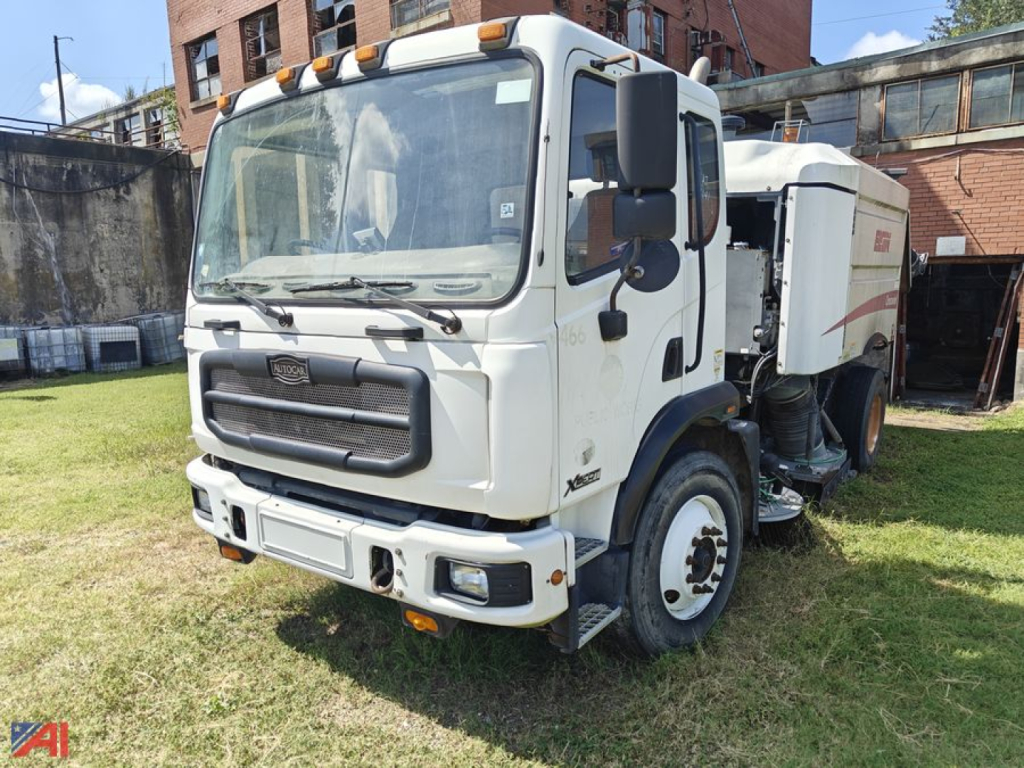
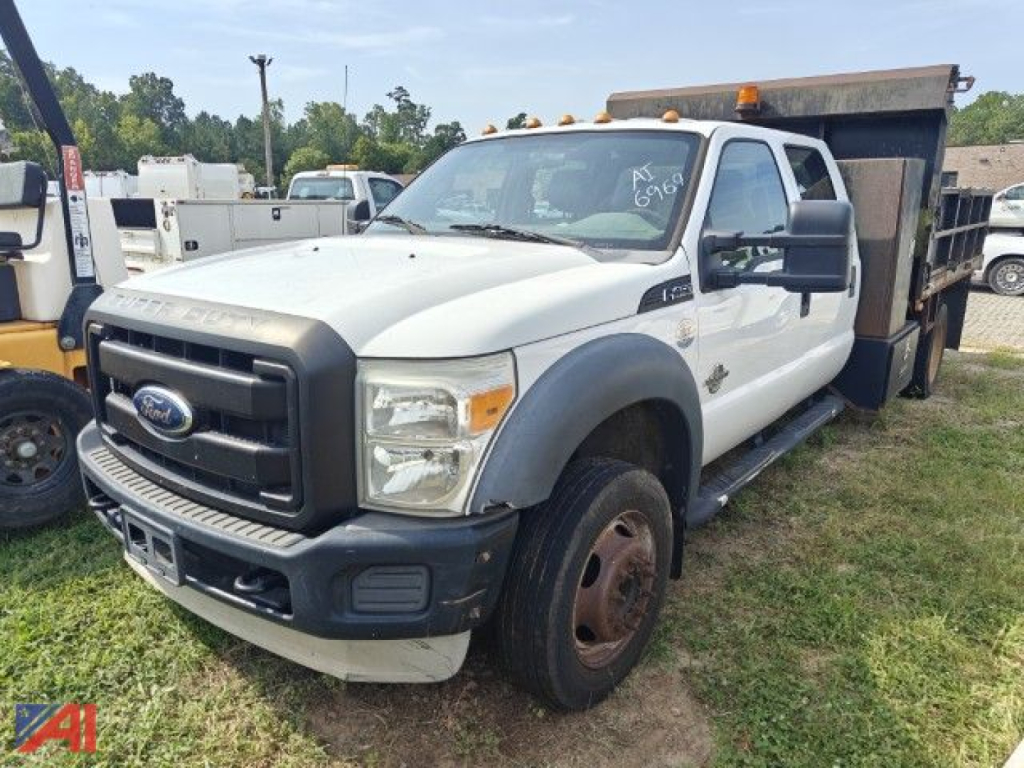
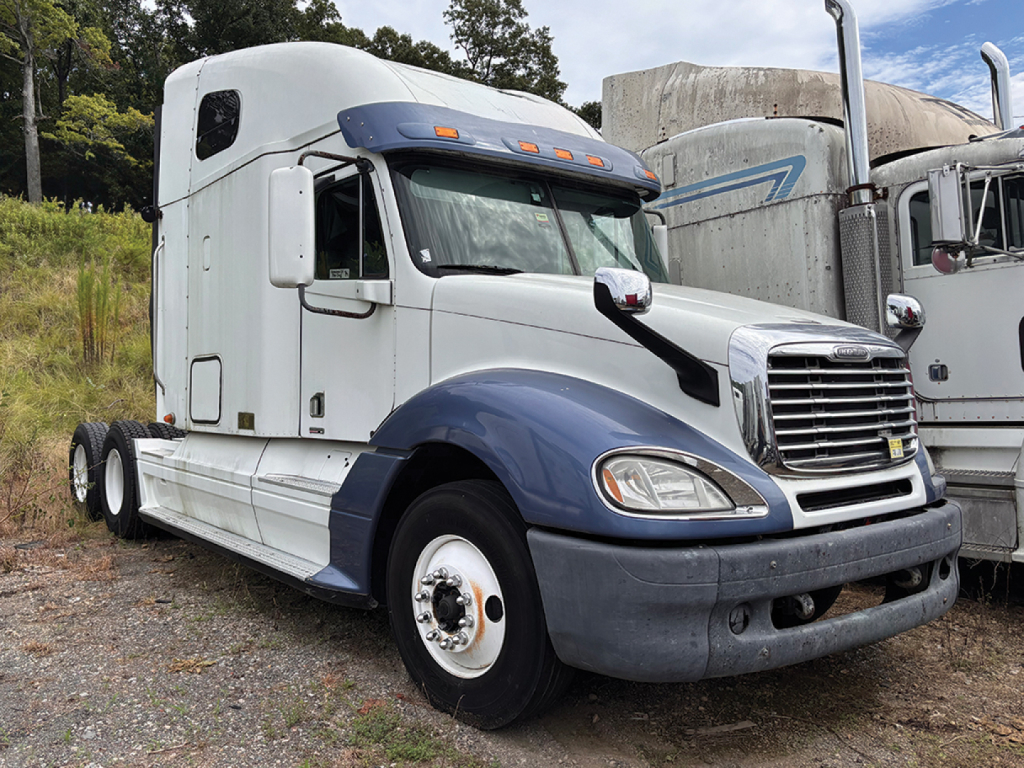
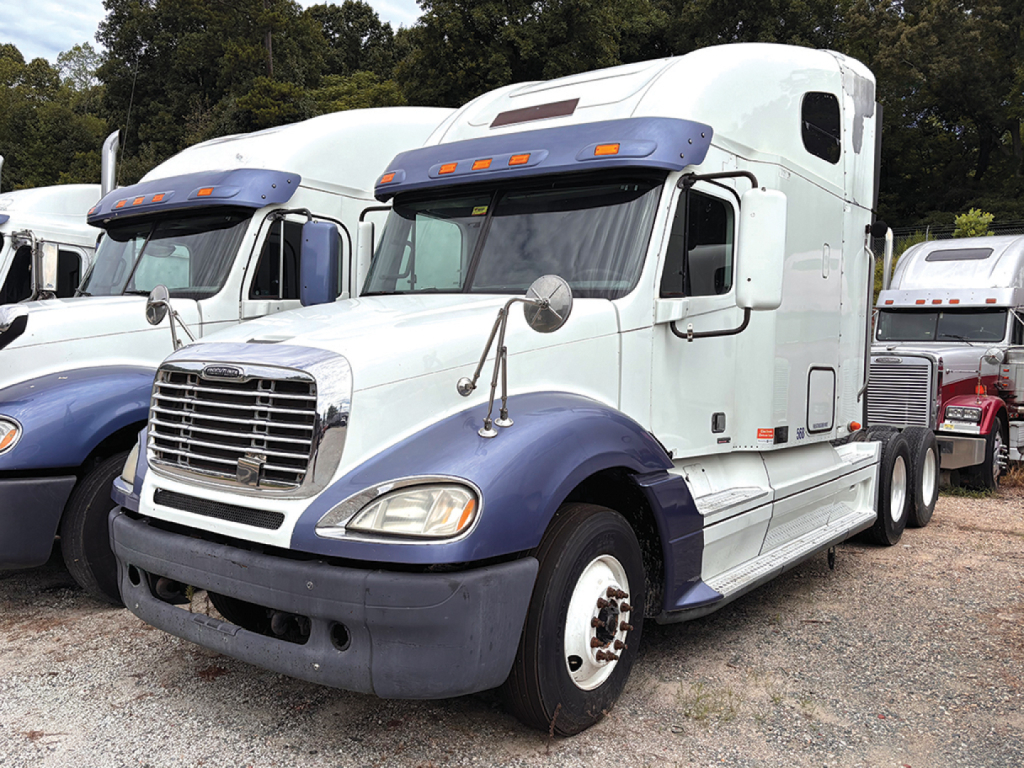
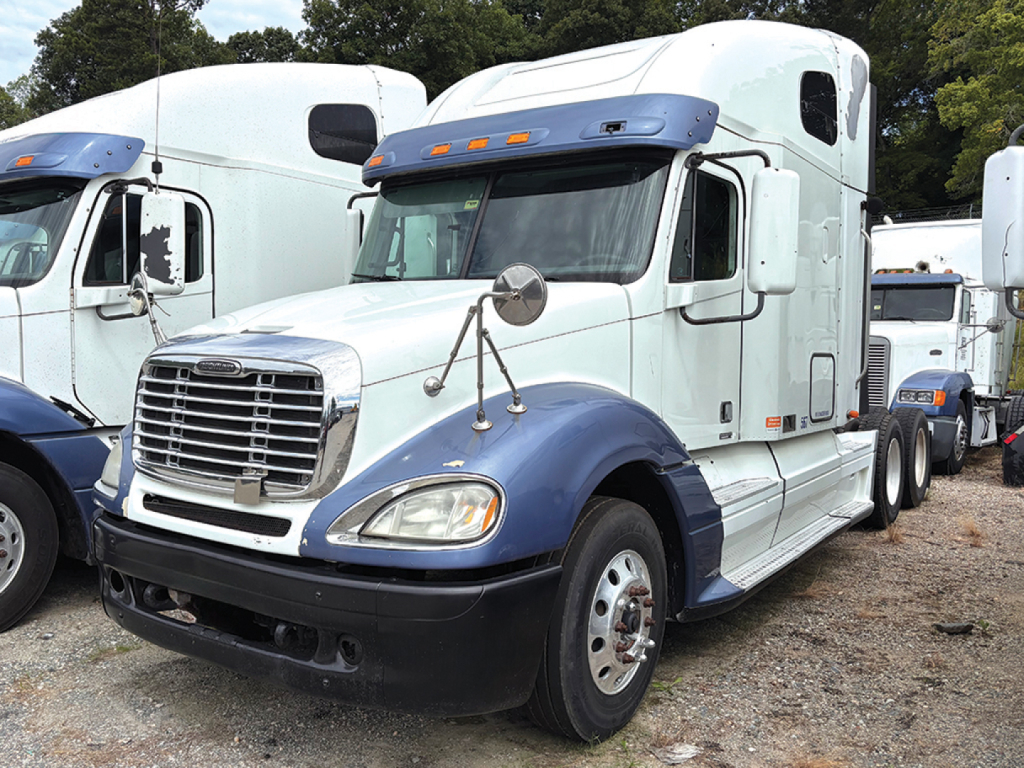

Have 2012 commercial truck to sell? List it here to reach thousands of buyers.
2012 Commercial Trucks in North Carolina
The key with 2012 trucks is matching the chassis and drivetrain to the job, not just the purchase price. On Class 8 tractors, common decision points include engine family, automated versus manual transmission, rear axle ratio, wheelbase, suspension type, and fifth wheel setup. A regional day cab may carry a 10-speed, 12-speed automated manual, or full automatic depending on application, while a sleeper spec often leans toward taller gearing and fuel capacity for linehaul work. On medium-duty and straight trucks, buyers should look closely at GVWR, front and rear axle ratings, body length, liftgate capacity, brake type, and whether the truck was spec'd for city routes or heavier vocational duty.
Because these are older used trucks, condition matters more than badge loyalty. Service records, engine hours, PTO hours where applicable, emissions history, and signs of frame corrosion are all worth reviewing, especially in vocational trucks that may have spent years in stop-and-go or municipal cycles. North Carolina buyers often balance interstate freight needs with local and regional work, so it is smart to check gearing, tire size, suspension, and body configuration against the routes you actually run. A 2012 sleeper tractor may still fit dedicated lanes well, while a 2012 box truck, garbage truck, vacuum truck, or other specialty chassis can make sense if the body and equipment remain sound and replacement cost would be much higher on a newer unit.
A broad 2012 truck market also means spec spread can be wide even within the same model family. Horsepower can range from lower-output medium-duty diesel setups to 400-plus HP highway tractors. Rear axle ratings may run from single-axle delivery configurations to 40,000 lb tandem tractor specs. Cab style, fuel tank capacity, air ride versus spring suspension, and wheelbase all change how the truck performs in city work, dock delivery, bulk hauling, or long-haul service. Buyers who focus on application, maintenance history, and total reconditioning cost usually make the best purchase in this age group.
Frequently Asked Questions about 2012 Commercial Trucks in North Carolina
What should I check first when buying a 2012 used truck?
Start with maintenance history, engine and aftertreatment condition, transmission operation, frame condition, and overall chassis wear. On a 2012 model, mileage alone does not tell the full story. Idle time, PTO use, route type, and prior application matter just as much. A delivery truck or municipal unit may have lower miles but much heavier stop-start use than an over-the-road tractor. A thorough inspection should include fault codes, suspension wear, brake condition, tires, driveline components, and any body or equipment issues if the truck is vocational.
Are 2012 trucks still a good fit for commercial work in North Carolina?
Yes, many 2012 trucks still serve well in regional hauling, local delivery, construction support, refuse, utility, and farm-related applications when they have been maintained properly. North Carolina operations often mix interstate corridors, urban delivery, and secondary roads, so the right spec matters. A well-kept 2012 day cab or straight truck can still be productive if axle ratings, gearing, wheelbase, and body type match the intended work. Buyers should budget realistically for catch-up maintenance and compliance-related repairs on older equipment.
What truck specs matter most on a 2012 tractor?
The most important specs are engine family, horsepower and torque rating, transmission type, rear axle ratio, suspension, wheelbase, and axle capacity. These factors determine fuel economy, startability, cruising RPM, turning radius, and trailer compatibility. For example, a regional day cab in heavy stop-and-go service may benefit from a different ratio and transmission setup than a sleeper used on longer highway runs. Fifth wheel type and position also matter if the truck will pull different trailer lengths or operate under bridge-law constraints.
What truck specs matter most on a 2012 straight truck or vocational truck?
For straight trucks and vocational chassis, focus on GVWR, axle ratings, engine output, transmission, body length, PTO capability, hydraulic setup, and the condition of the installed equipment. Body details such as floor type, scuff liners, liftgate capacity, hopper condition, tank integrity, or vacuum system performance can affect value as much as the cab and chassis. A medium-duty delivery truck and a refuse or utility truck may share the same model family but have completely different service demands and maintenance costs.
How do I evaluate total cost on a 2012 truck instead of just purchase price?
Look at the full reconditioning picture. That includes tires, brakes, fluids, suspension work, batteries, emissions components, body repairs, and any deferred maintenance from the prior owner. On specialty trucks, include pump, PTO, hydraulic, hoist, compactor, or vacuum system repairs in the calculation. A lower-priced 2012 truck can become more expensive than a better-maintained one if it needs immediate aftertreatment work, driveline repairs, or major body refurbishment. The best value is usually the truck with the right spec and the least expensive path to dependable service.