
2007 Commercial Trucks For Sale in Washington
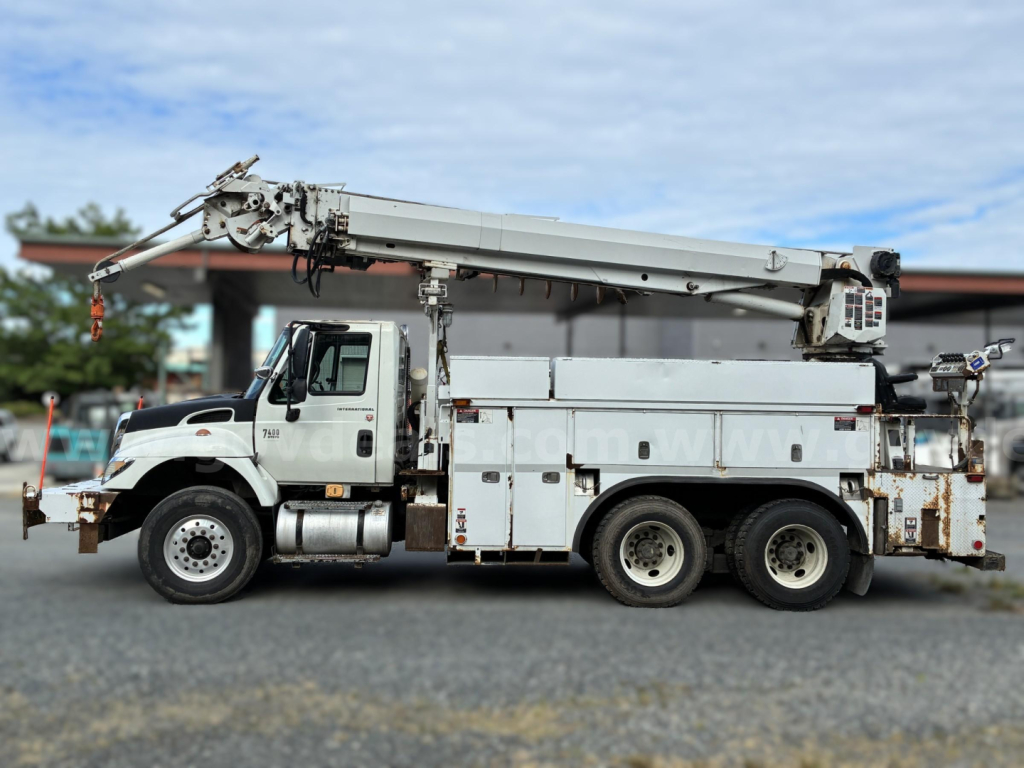

Have 2007 commercial truck to sell? List it here to reach thousands of buyers.
2007 Commercial Trucks in Washington
In this year range, engine emissions equipment is a major consideration. Many 2007 trucks were built during the transition to stricter EPA emissions standards, so buyers should confirm whether the truck is a pre-emissions configuration, an early DPF-equipped truck, or a later 2007-compliant setup. That matters for maintenance cost, regeneration behavior, downtime risk, and compliance planning. In Washington, it is also smart to think about terrain and operating region. Mountain grades, coastal moisture, and stop-and-go urban routes all affect ideal horsepower, rear ratio, transmission choice, cooling capacity, and corrosion condition. A fleet buyer looking west of the Cascades may pay closer attention to frame rust, wiring condition, and body corrosion, while Eastern Washington applications may put more weight on cooling performance, dust exposure, and seasonal load demands.
Specs should be evaluated as a package, not as isolated numbers. Wheelbase affects body length, turning radius, and bridge compliance. Front axle and rear axle ratings need to support the intended payload, not just the empty chassis. Suspension type matters too: spring ride often suits harsher vocational work, while air ride is common for freight protection and highway comfort. On tractors, pay attention to sleeper size, axle configuration, fifth wheel setup, and ratio selection for the route profile. On straight trucks and cab and chassis units, body upfit compatibility is often the deciding factor, especially for flatbeds, service bodies, dry vans, reefer bodies, and dump applications.
For a 2007 truck, condition usually outweighs brand preference alone. Service records, engine hours, miles, PTO usage, clutch or automated transmission history, brake wear, tire condition, and signs of frame repair all deserve close review. A well-maintained 2007 truck can still offer dependable service in the right role, particularly as a backup unit, farm truck, short-haul truck, or vocational chassis where annual mileage is controlled. Buyers comparing listings should focus on how the truck was used, how it was maintained, and whether its axle ratings, wheelbase, drivetrain, and emissions configuration fit the exact demands of the route and payload.
Frequently Asked Questions about 2007 Commercial Trucks in Washington
What should I look for first when buying a 2007 truck in Washington?
Start with the truck’s intended application, then verify the core spec matches that job. The most important checkpoints are GVWR, axle ratings, wheelbase, engine and transmission combination, suspension type, and emissions configuration. After that, review service records, inspect for corrosion, check for fluid leaks, look at tire and brake condition, and confirm the truck has not been overloaded or poorly repaired. In Washington, regional use matters because mountain hauling, wet climate exposure, and urban stop-and-go service all affect wear patterns differently.
Are 2007 trucks affected by emissions-related maintenance concerns?
Yes. The 2007 model year sits in an important emissions transition period, and that can significantly affect operating cost. Some trucks from this year may have early diesel particulate filter systems or other emissions hardware that require more attention than older pre-emissions trucks. Buyers should confirm the exact engine family, emissions label, maintenance history, and any repairs tied to regeneration, sensors, aftertreatment, or exhaust systems. Knowing that status upfront helps avoid surprise downtime and helps determine if the truck fits your maintenance capabilities.
Is a 2007 truck still a good choice for commercial work?
It can be, if the truck is properly spec'd and has been maintained well. Many 2007 trucks still make sense for seasonal work, local hauling, construction support, municipal service, agricultural use, and backup fleet duty. The key is to match age and condition to the business model. A lower-mile, documented truck with sound major components may offer good value, while a neglected unit with weak maintenance history can become expensive quickly regardless of purchase price.
What specs matter most on a 2007 heavy-duty truck versus a medium-duty truck?
On a heavy-duty truck, buyers usually focus on horsepower, torque, rear axle ratio, tandem axle capacity, suspension rating, sleeper or day cab layout, and transmission type because those directly affect payload, route performance, and fuel economy. On a medium-duty truck, wheelbase, cab-to-axle measurement, GVWR, front axle capacity, and upfit compatibility are often more important because the truck may be built into a van body, flatbed, utility body, or dump body. In both cases, the right spec is the one that supports the load and duty cycle without overspending on capacity you do not need.
Why is wheelbase important when comparing 2007 trucks for sale?
Wheelbase affects more than overall length. It influences turning radius, ride quality, body size options, bridge law considerations, and how the truck carries weight across the axles. A longer wheelbase may be better for certain bodies or ride stability, but it can be a disadvantage in tight urban delivery or jobsite conditions. A shorter wheelbase can improve maneuverability, especially in city routes or crowded yards, but it may limit body length or equipment placement. On older trucks, wheelbase also helps indicate whether the chassis was originally built for the job it is doing now or later repurposed.