
2007 Commercial Trucks For Sale in Virginia
Shop 2007 trucks in Virginia. Compare pre-DEF diesel specs, engines, gearing, and vocational options. Know DPF upkeep, powertrains, and inspection tips.

Have 2007 commercial truck to sell? List it here to reach thousands of buyers.
2007 Commercial Trucks in Virginia
Model year 2007 sits in the pre-DEF window yet runs EGR with a diesel particulate filter. That means no DEF tanks or SCR catalysts, but the DPF and sensors need attention. Review ash load history, regen frequency, and any recent DPF clean or replace dates. Cummins ISX CM871, Detroit Series 60 DPF variants, and Caterpillar C13/C15 ACERT are common. Each has known watchpoints: EGR coolers, VGT actuators, DOC/DPF condition, and heat-related wiring. Expect fuel economy slightly lower than later SCR trucks and budget for periodic DPF service at set mileage or hours.
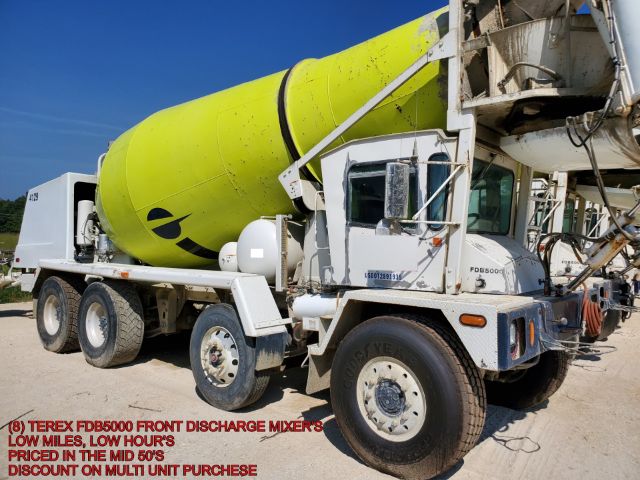
Applications are broad in this year range. Aero sleepers from 60-72 inches deliver decent mpg and comfort for long-haul. Day cabs suit regional runs and drayage. Vocational frames in dumps, mixers, and roll-offs often carry 18k-20k steer and 40k rears, with Hendrickson or Chalmers mechanicals, or air-ride tandems for on-road stability. Most 2007 trucks run drum brakes with ABS. In Virginia, look closely for frame scaling, crossmember rust, and cab mount wear from winter brine and coastal air. Verify radiator and charge-air cooler integrity for summer heat on grades, and inspect fifth wheel top plate condition if you pull heavy on uneven terrain.
A thorough evaluation pays off on a 2007. Pull ECM downloads for engine hours, idle time, and fault history. Do a blow-by check, turbo shaft play check, and a pressure test of the charge-air system. Scan ABS and aftertreatment for active and inactive codes. Inspect suspension bushings, torque rods, spring hangers, and airbags, plus steering gear lash and kingpins. Confirm differential ratio tags match the dash build sheet. For straight trucks, assess box floor integrity, door tracks, and liftgate cycles. In all cases, an oil analysis and a road test under load will quickly reveal cooling, boost, and regen performance before you commit.
Frequently Asked Questions about 2007 Commercial Trucks in Virginia
What emissions system do most 2007 diesel trucks use, and what upkeep should I expect?
Most 2007 trucks use cooled EGR with a diesel oxidation catalyst and a DPF, but no DEF or SCR. Plan on DPF clean or replace intervals based on ash load, monitoring regen frequency, and staying ahead of EGR cooler, VGT actuator, and sensor issues. Documented DPF service and current fault-free aftertreatment scans are strong value indicators.
Which engines and transmissions are common on 2007 trucks?
Typical engines include Cummins ISX CM871, Detroit Series 60 with DPF, and Caterpillar C13/C15 ACERT. Pairings often include Eaton Fuller 10-, 13-, or 18-speed manuals, Eaton UltraShift automated manuals, and Allison automatics on vocational and straight trucks. Match torque rating to your GCW and terrain, and confirm PTO provisions if you run hydraulics.
What gearing works best for Virginia routes?
For interstate linehaul with 22.5 tires and direct 10-speed, ratios around 3.36-3.55 are common. Hilly I-81 corridors benefit from 13- or 18-speed with engine brake and mid 3s gearing. Vocational or stop-and-go work often favors 3.90 or deeper. Always consider your top cruise speed, tire size, and transmission top gear when choosing a ratio.
Are 2007 trucks acceptable for port drayage around Norfolk and Portsmouth?
Many terminals and programs set minimum model years or emissions requirements that change over time. A 2007 DPF-equipped truck may qualify in some cases, but certain programs prefer newer or 2010+ SCR. Confirm current rules with your specific terminal or drayage program before purchase.
What should I inspect on a 2007 truck before buying?
Review ECM data, perform oil analysis, inspect for blow-by, and pressure test the charge-air system. Check DPF ash load and regen history, look for frame and crossmember corrosion, evaluate suspension bushings and torque rods, and scan ABS and aftertreatment for stored faults. A loaded road test will expose cooling, boost, braking, and drivetrain issues quickly.