
2007 Commercial Trucks For Sale in Florida
2007 trucks for sale in Florida. Pre-DEF power, proven drivetrains, verify tare weight, corrosion protection, floor integrity, and cooling capacity.
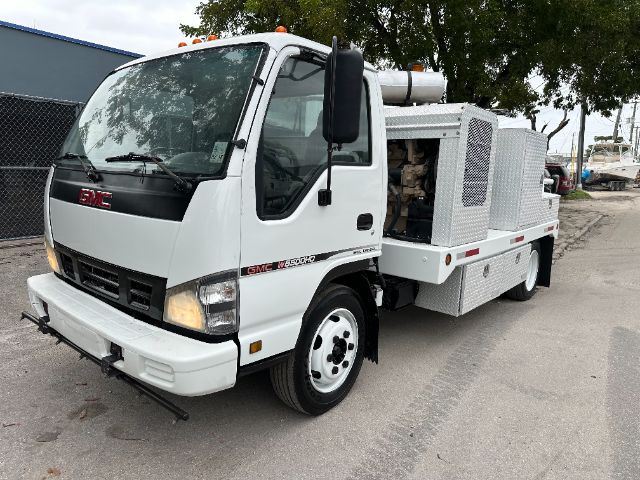
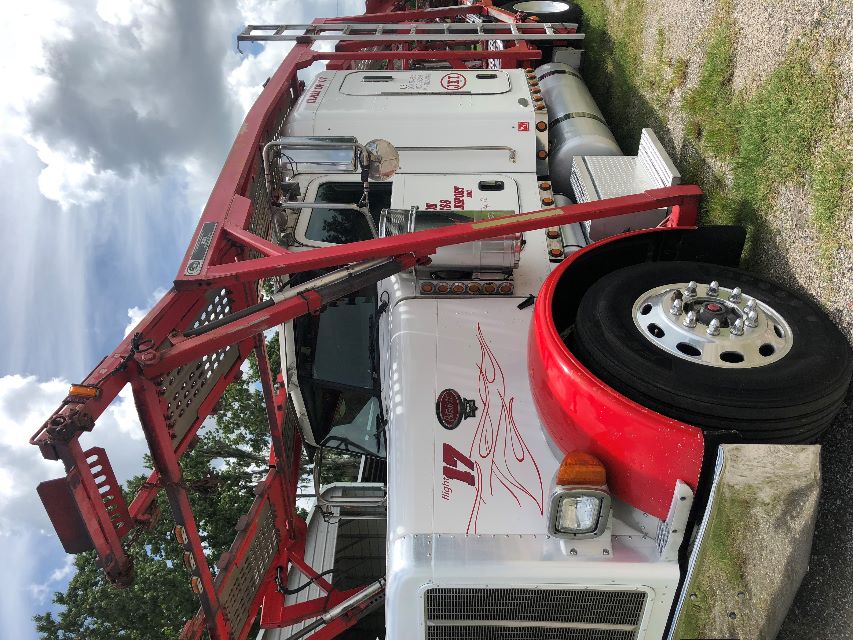
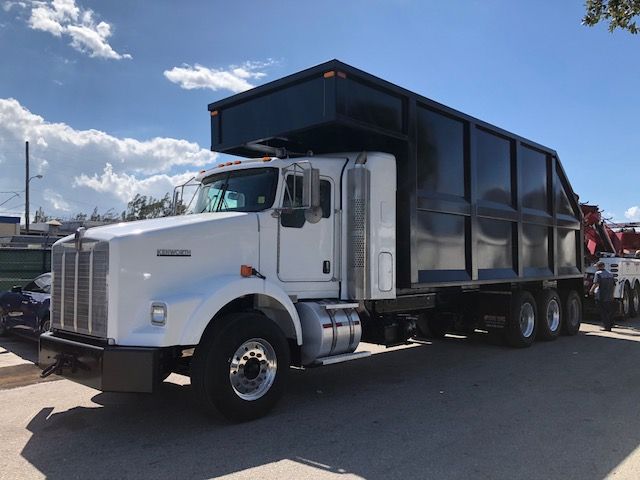
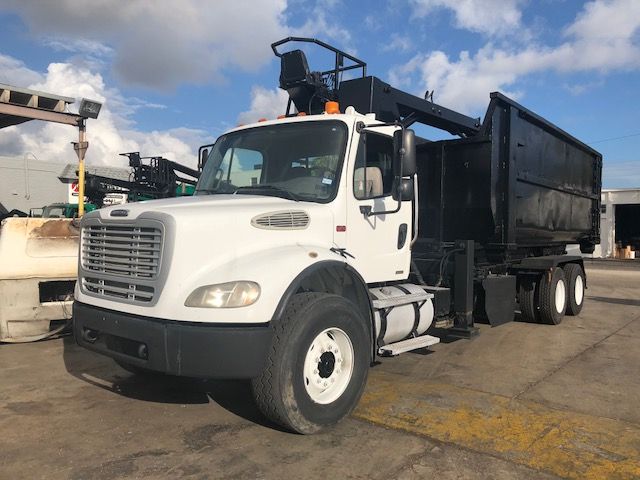
Selling a 2007 commercial truck? List your 2007 commercial truck for sale and reach thousands of commercial buyers.
2007 Commercial Trucks in Florida
Floor strength determines real-world usability. In dry van or reefer bodies, look for 12 inch crossmember spacing for heavy forklift traffic, 16 inch is common but flexes more under point loads. Laminated hardwood floors should be tight at the seams with no cupping, aluminum plank or duct floors should show minimal galling and secure welds at the rear sill. Verify rear threshold plates are not bowed, scuff liners at 12 to 24 inches, or full height, protect sidewalls from pallet rub. For vocational trucks, inspect dump body floor thickness, hoist subframe rails, and crossmember attachment for distortion from loader impact. Any moisture staining or fastener corrosion at the floor-to-side joint hints at intrusion that weakens boards and fasteners over time.
Thermal integrity matters in Florida heat. On reefer trucks, insulation efficiency declines if foam has absorbed moisture, so check for delamination, soft spots in the nose and roof, and compressed door gaskets. Perform a pretrip and watch pull-down and recovery times, hot ambient exposes weak condenser fans, compressors, or restricted evaporators quickly. Dry van and box trucks benefit from white roofs and intact roof skins that limit solar gain, translucent roofs admit light but raise interior temps. Sleeper cabs should hold cab temperature at idle with a healthy A/C system or APU, verify condenser condition, blower performance, and that bunk seals are intact to prevent heat soak.
Tare weight and corrosion drive life-cycle cost. A tandem day cab tractor from this era often scales around 16,500 to 18,500 pounds, a mid-roof or condo sleeper around 18,000 to 20,000, and a 26,000 GVWR box truck can vary widely with body length and liftgate. Weight reduction via aluminum wheels, smaller fuel capacity, fairings, or wide-base singles raises payload and efficiency, but balance that against traction needs, tire availability, and curb impact tolerance. Florida’s coastal environment can pit aluminum and creep rust into seams, so favor e-coated or painted frames, stainless hardware, aluminum or composite battery boxes, sealed Deutsch connectors, and intact undercoating. Inspect frame flanges, crossmembers, spring hangers, cab mounts, battery trays, fifth wheel top plates, exhaust elbows, and radiator supports for scaling or pitting; consistent wash routines and periodic DPF cleanings, EGR cooler checks, and charge air leak tests help 2007 powertrains stay reliable in heat and humidity.
Frequently Asked Questions about 2007 Commercial Trucks in Florida
Do 2007 trucks require DEF in Florida operations?
Most 2007 on-highway trucks are EPA 2007 specification with EGR and a diesel particulate filter, they do not use SCR or DEF. Verify the emissions label on the door jamb or valve cover to confirm the configuration, as a few late builds registered as 2007 might actually be 2010-spec chassis. The absence of DEF simplifies fueling and cuts one consumable, but the DPF still needs periodic cleaning and proper active or parked regenerations.
How can I judge floor strength on a 2007 box or reefer truck?
Open the rear doors and check crossmember spacing, welds at the rear sill, and the condition of the floor surface. Laminated hardwood should be tight and free of rot, aluminum plank or duct floors should show even wear with no loose planks. Look for a published forklift rating or ask the body maker’s spec, 4,000 to 5,500 pound forklift axle loads are common benchmarks. Inspect scuff liners, logistics posts, and corner caps for impact damage, and check for water intrusion at fasteners or seams, which weakens floors over time.
What affects thermal integrity on a 2007 reefer body in Florida heat?
Insulation R-value drops if foam absorbs moisture, so feel for soft or wavy panels in the roof and nose, check door gaskets, hinges, and thresholds, and look for staining that indicates vapor barrier failure. Run a pretrip and monitor pull-down and return air stability in high ambient temperatures, weak condenser fans, clogged evaporators, or a slipping belt will show up quickly. Sealed drain lines, intact interior liners, and smooth, undamaged duct floors help maintain even temperatures and faster recovery between stops.
What tare weight should I expect from a 2007 day cab or sleeper, and how can I optimize it?
Typical tandem day cabs in this era often scale in the mid to high 16,000 pound range, while full sleepers tend to land between 18,000 and 20,000 pounds depending on wheelbase, chassis spec, and fuel capacity. To lower tare, consider aluminum wheels, right-sized fuel tanks, aerodynamic fairings, and, where appropriate, wide-base single tires. Balance weight savings with durability, traction needs on wet grass or sand, and parts availability, especially for regional and port work in Florida.
How do I manage corrosion risk for 2007 trucks used near the Florida coast?
Start with a careful inspection of frame rails, crossmembers, cab mounts, battery boxes, steps, exhaust hardware, and radiator supports for pitting or blistered paint. Favor trucks with e-coated or thoroughly painted frames, stainless or aluminum components, sealed wiring with quality connectors, and intact undercoating. After purchase, wash frequently, especially after salt-air exposure, apply cavity wax or rust inhibitors to seams, maintain proper chassis grounds to prevent galvanic issues, and repair paint nicks quickly to stop creep rust.