
2003 Trucks For Sale in Illinois

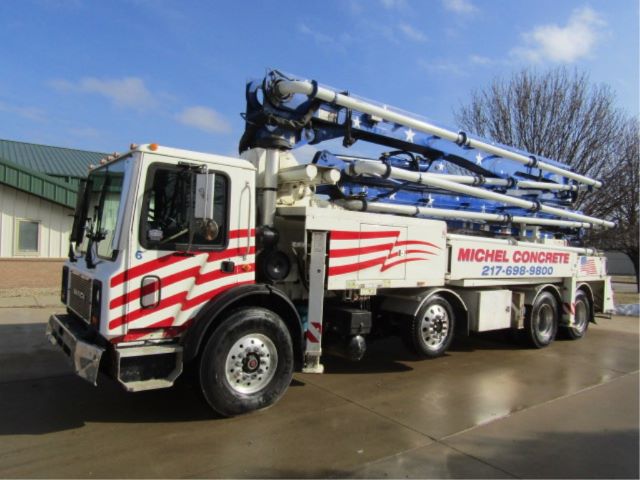
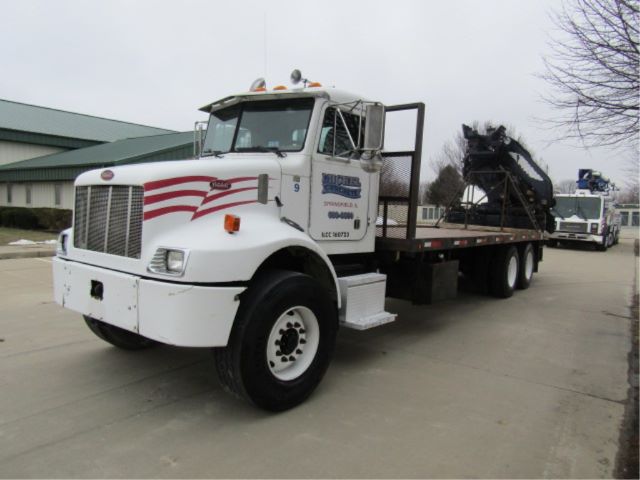
Have 2003 truck to sell? List it here to reach thousands of buyers.
2003 Trucks in Illinois
For Class 8 highway trucks from this era, common engines include the Caterpillar C15, Cummins ISX, Detroit Series 60, Mercedes-Benz, and Navistar platforms, usually paired with 10-speed, 13-speed, 18-speed, or early automated transmissions. Day cabs are common for regional freight, container work, and short-haul operations, while sleeper trucks from this period are still used in long-haul and farm-to-market lanes. Pay close attention to rear axle ratio, suspension type, and wheelbase because these directly affect fuel economy, maneuverability, and how the truck handles heavier trailers. Buyers should also verify whether the truck has air ride suspension, locking differentials, wet kit plumbing, sliding fifth wheel, or PTO setup if the intended use goes beyond standard van or reefer pulling.
For medium-duty and vocational 2003 trucks, the priority shifts to body compatibility and chassis ratings. GVWR, front axle capacity, rear axle rating, frame condition, and PTO operation matter more than cosmetic appearance. In Illinois, many older trucks have spent time in snow, salt, and freeze-thaw conditions, so frame rails, crossmembers, cab mounts, brake lines, and electrical connections deserve a close inspection. If the truck carries a dump body, utility body, flatbed, grain body, or van body, check hoist condition, floor integrity, apron wear, hinge points, and any hydraulic leaks. On box trucks and straight trucks, door seals, liftgate function, roof condition, and cargo body dimensions are just as important as engine hours or odometer miles.
A strong 2003 truck purchase usually comes down to service history and chassis condition, not just price. Look for signs of consistent maintenance such as engine work records, clutch replacement, injector history, suspension repairs, brake work, and documented tire replacement. Confirm the VIN spec sheet if possible so the engine rating, transmission model, axle capacities, and original wheelbase match the current configuration. Older trucks can offer solid value for buyers who need dependable hauling capacity without paying for newer electronics, but the best results come from buying on specification, rust condition, and intended application rather than badge alone.
Frequently Asked Questions about 2003 Trucks in Illinois
What should I check first on a 2003 truck for sale in Illinois?
Start with frame and cab corrosion, especially on trucks that have worked through multiple winters. Illinois road salt can accelerate rust on frame rails, crossmembers, suspension hangers, brake components, fuel tank straps, and electrical grounds. After rust, confirm the truck’s application-related specs such as GVWR, axle ratings, wheelbase, PTO capability, and body condition. A truck with average cosmetics but a solid frame and correct chassis spec is usually a better buy than a cleaner truck with structural corrosion or the wrong setup.
Are 2003 trucks easier to maintain than newer trucks?
Many 2003 trucks are attractive because they are mechanically simpler than later emissions-era models. Depending on engine make and exact build date, buyers may avoid some of the added complexity that came with later diesel aftertreatment systems. That can mean easier troubleshooting, lower parts cost in some repairs, and less downtime for fleets or owner-operators who do part of their own maintenance. The tradeoff is age, so wear items, wiring, seals, suspension parts, and drivetrain components may need more attention even if the emissions system is simpler.
Which 2003 truck specs matter most for hauling and towing?
The most important specs are engine horsepower and torque, transmission type, rear axle ratio, axle capacities, suspension, wheelbase, and fifth wheel or body setup. A highway tractor with tall gearing may run efficiently on open interstate lanes but feel weak in heavy starts or vocational work. A shorter wheelbase day cab may maneuver better in cities and yards, while a longer wheelbase sleeper may ride better and carry more fuel. Buyers should match the spec to trailer type, average payload, terrain, and daily route length.
Is mileage the most important factor on a 2003 truck?
Mileage matters, but it should not be treated as the only indicator of value on an older truck. Maintenance history, engine rebuild documentation, idle hours, transmission condition, suspension wear, and rust exposure often tell a more complete story than the odometer alone. A higher-mile truck with documented service and a strong drivetrain can be a better purchase than a lower-mile truck that sat for long periods or missed major maintenance. Inspection results and repair records are usually more meaningful than mileage by itself on a 2003 model.
What types of 2003 trucks are commonly found on the used market?
The 2003 used truck market typically includes conventional day cabs, sleeper tractors, dump trucks, flatbeds, box trucks, service trucks, and other straight truck configurations. Some are set up for regional freight, grain hauling, construction, municipal service, or local delivery. Because this year spans many applications, buyers should narrow the search by cab style, axle configuration, body type, engine family, and intended use before comparing makes and prices. That approach usually leads to a better fit than shopping by model name alone.