
1994 Commercial Trucks For Sale
Shop 1994 trucks for sale, including pre-emissions semi tractors and vocational units. Compare engines, specs, and compliance to pick a proven workhorse.
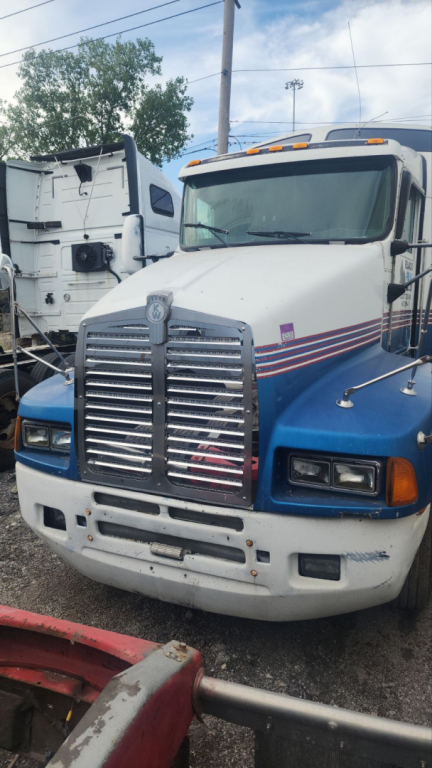
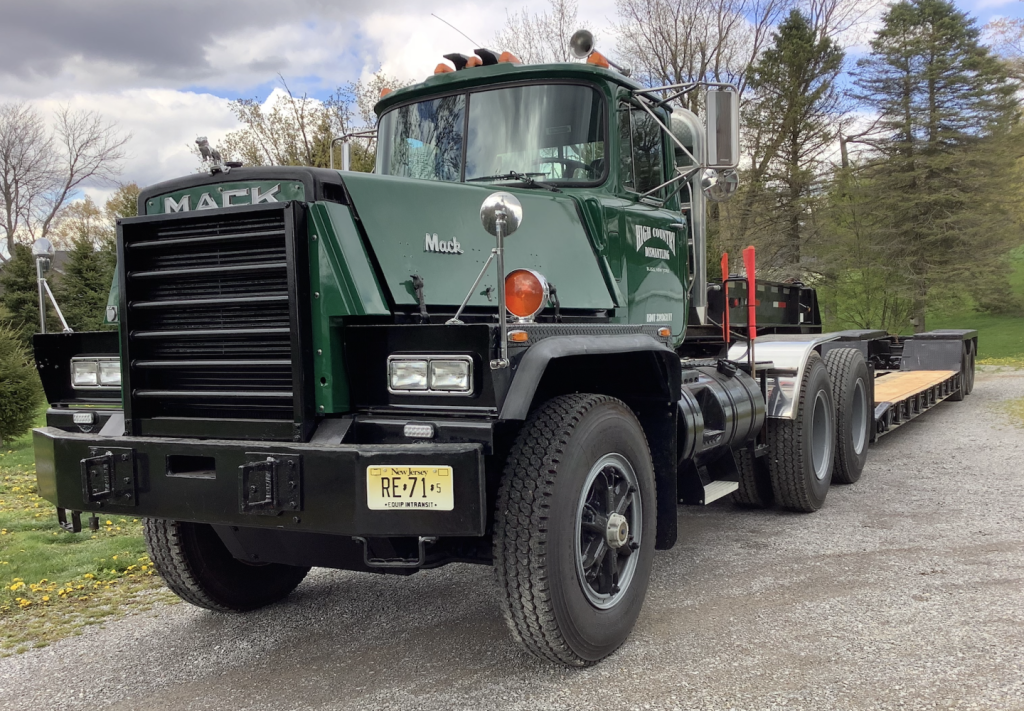
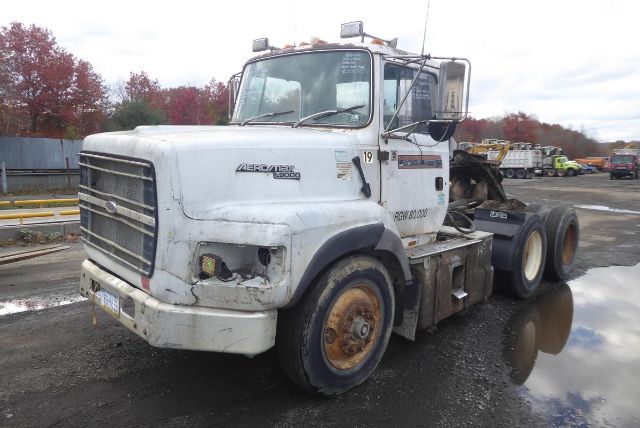
Selling a 1994 commercial truck? List your 1994 commercial truck for sale and reach thousands of commercial buyers.
1994 Commercial Trucks
Powertrains from this era are proven and well supported. You will see Cummins N14 Celect, Detroit Series 60 DDEC, and Caterpillar 3406E in Class 8 tractors, plus mechanical DT466 and Cummins C8.3 in medium duty 1994 box trucks and service trucks. Ratings commonly range from 350 to 500 hp with 1350 to 1650 lb-ft, paired to Eaton Fuller 9, 10, 13, or 18 speeds and Rockwell or Eaton drive axles. Rear axle ratios typically fall between 3.55 and 4.11, so match spec to duty cycle and cruise speed. Expect highway fuel economy in the 5 to 6.5 mpg range for sleepers and day cabs of this vintage, depending on aero, gearing, and tire choice.
Configurations span long-haul sleepers, regional day cabs, dumps, mixers, roll-offs, and 1994 cab-and-chassis builds upfitted for utility or tow work. Common axle sets include 12k steer with 38k to 44k tandems, while vocational 1994 dump trucks may carry 46k or 58k rears and double-frame rails. Suspensions are often Hendrickson walking beam, Chalmers, Reyco leaf, Freightliner AirLiner, or International Air Ride. Brakes are S-cam drums, and many 1994 units predate mandatory ABS, so verify if ABS is installed. Tires will be 11R22.5, 11R24.5, or low-pro 22.5, and wheels can be stud-piloted or hub-piloted, which affects service parts.
On pre-purchase inspection, focus on fundamentals. Verify engine serial and calibration, pull an oil sample, check blowby, inspect the charge-air cooler for leaks, and pressure test the cooling system. Look for wiring abrasion, aged connectors, air system leaks, slack adjuster travel, and fifth wheel condition, along with frame rail rust, crossmember cracks, cab mounts, suspension bushings, and kingpin or steering gear play. Early electronic engines offer ECM data that can be cross-checked against odometer claims. Parts support remains strong for major 1994 components, but plan a baseline refresh of hoses, belts, tires, and brakes to control downtime after purchase.
Frequently Asked Questions about 1994 Commercial Trucks
Are 1994 trucks ELD-exempt?
Yes, most are functionally exempt if the engine model year is 1999 or older. The ELD rule keys off engine year, not chassis year, so confirm the engine data plate or ECM. Even if exempt, drivers must still maintain accurate hours-of-service records, paper or otherwise, if required by their operation.
Can I run a 1994 diesel truck in California or CARB states?
Compliance is difficult. The California Truck and Bus Regulation generally requires 2010 or newer diesel engines for most on-road operations. A 1994 engine will not meet that threshold, so plan for out-of-state operation or explore specific exemptions that may apply to limited-use or specialty vocational roles. Always verify current rules before purchase.
What engines and transmissions are typical in 1994 heavy duty trucks?
Common heavy duty engines include Cummins N14 Celect, Detroit Diesel Series 60 DDEC III, and Caterpillar 3406E. Medium duty units often carry mechanical International DT466 or Cummins C8.3. Transmissions are usually Eaton Fuller 9, 10, 13, or 18 speed manuals with Rockwell or Eaton drive axles. Match axle ratio and top gear to your cruise speed and terrain to avoid lugging or overspeeding.
What should I inspect on a 1994 truck before buying?
Prioritize engine health and structure. Perform oil analysis, check blowby and cold starts, scan the ECM if equipped, and verify boost and coolant system integrity. Inspect frame rails, crossmembers, suspension bushings, slack adjusters, brake drums, air lines, and electrical harnesses. Evaluate tires and wheels for stud- vs hub-piloted fitment, and confirm that the fifth wheel, PTO, or hydraulics function as intended for your application.
How do 1994 trucks compare to newer models on fuel economy and comfort?
Expect lower mpg and fewer driver amenities. Aerodynamics and powertrain efficiency have improved since the mid 1990s, so a comparable modern sleeper may gain 1 to 3 mpg over a 1994 semi truck. Cabs from 1994 are simpler, with less sound insulation and fewer electronics, but many drivers appreciate the straightforward controls and serviceability. The trade-off is comfort and efficiency versus mechanical simplicity and lower acquisition cost.