
1993 Trucks For Sale in Massachusetts
Browse 1993 trucks for sale in Massachusetts, including work trucks, pickups, service bodies, cab and chassis, and commercial truck options.
Learn more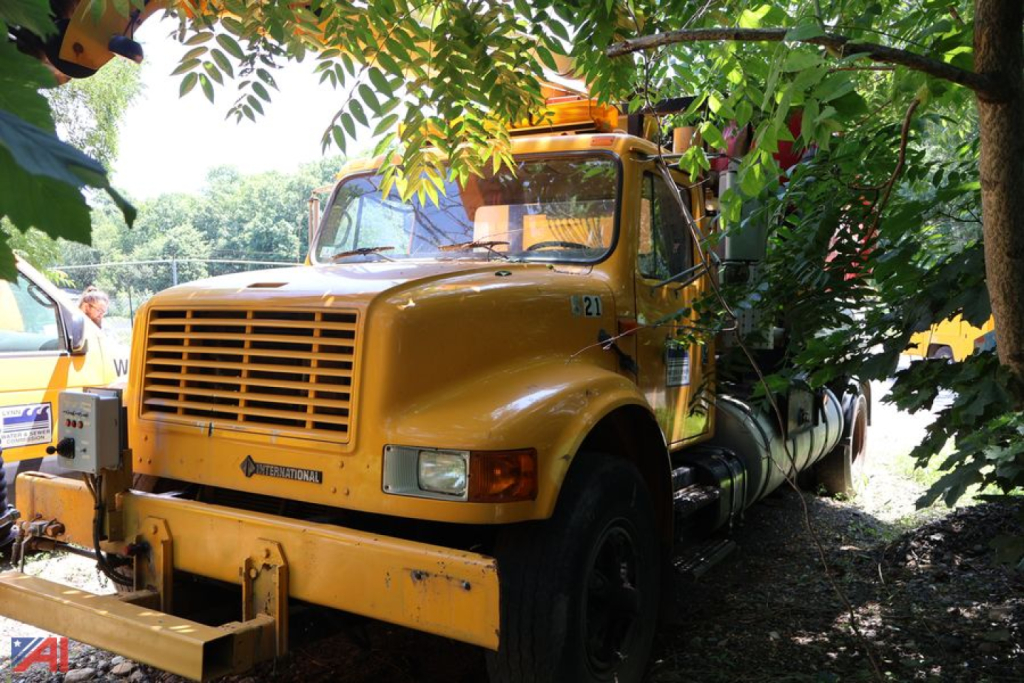
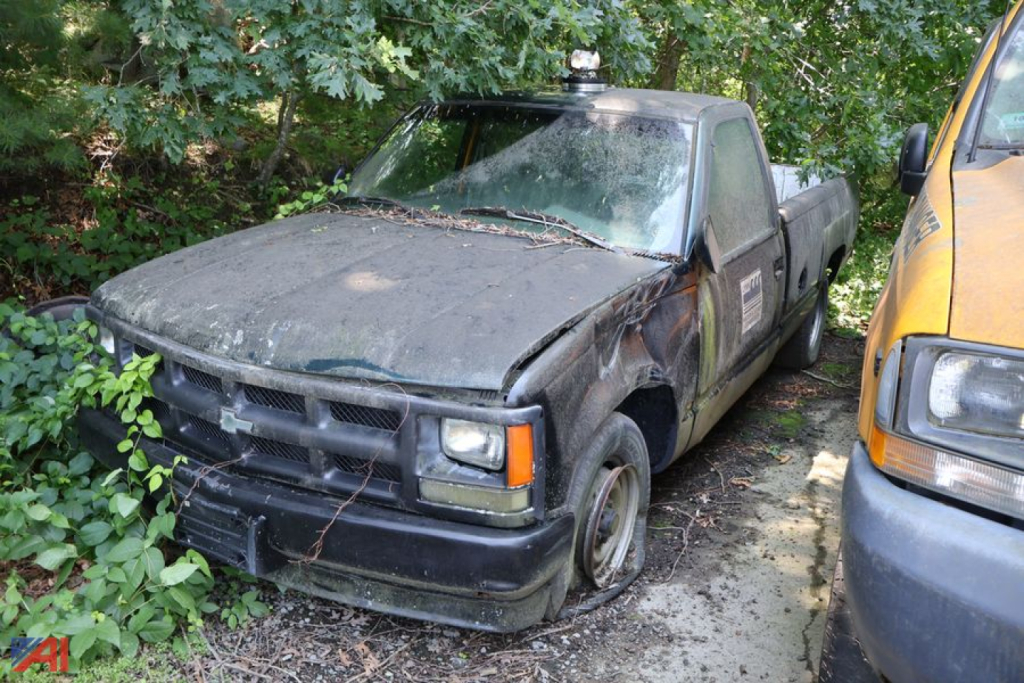
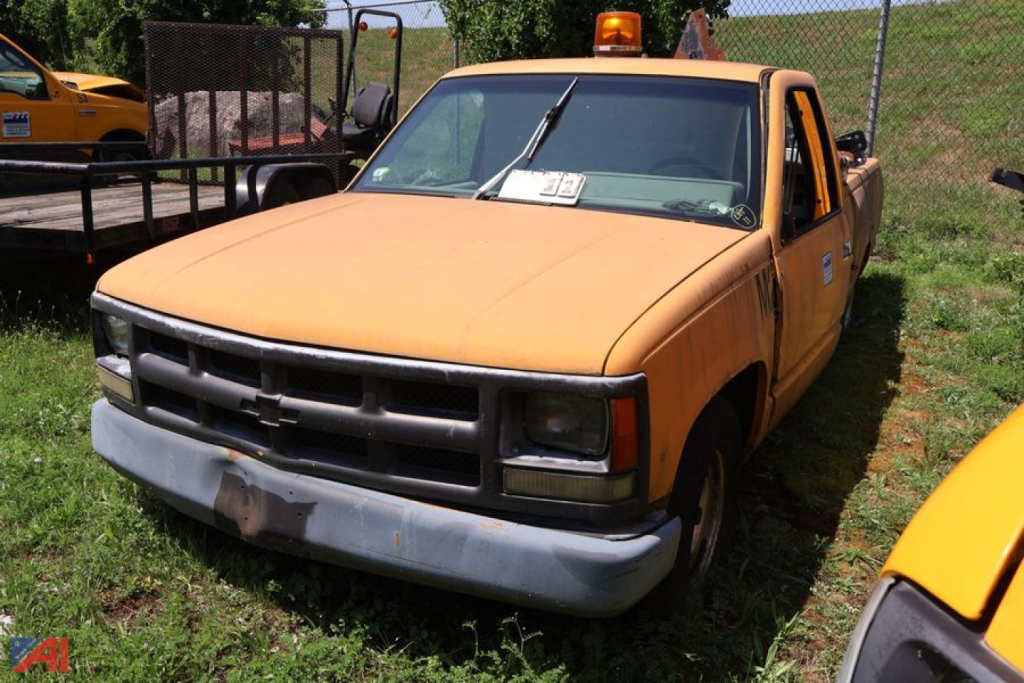
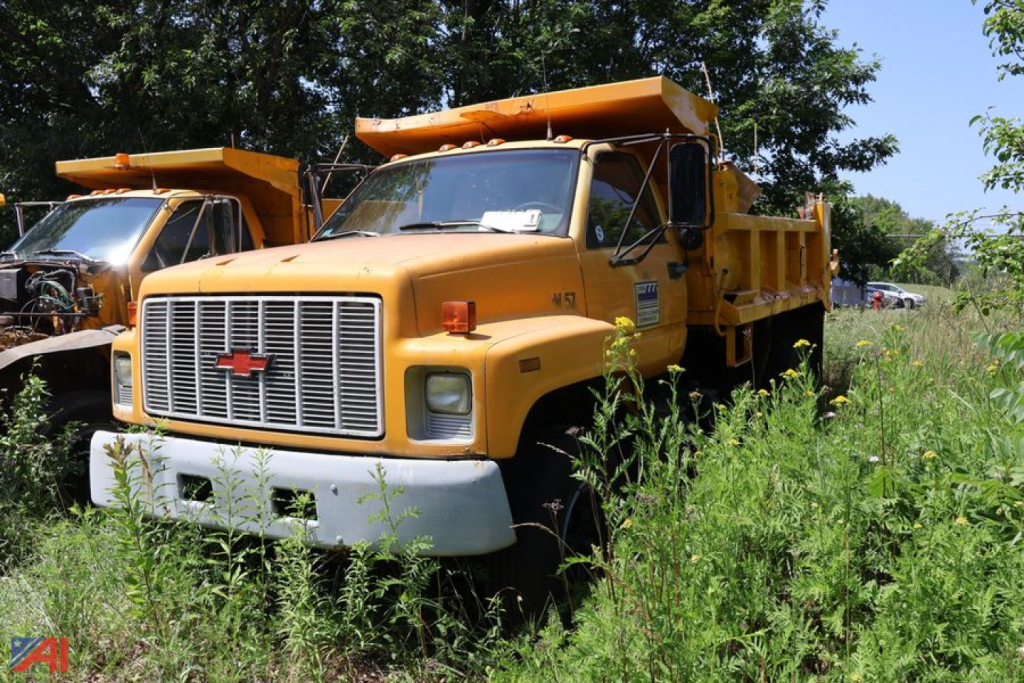
Have 1993 truck to sell? List it here to reach thousands of buyers.
About 1993 Trucks in Massachusetts
The biggest buying decision is usually truck type and intended upfit. A 1993 truck listing may include pickups, cab and chassis units, service trucks, utility bodies, cargo vans, dump bodies, or medium-duty work trucks. Cab-to-axle length, wheelbase, GVWR, rear axle ratio, and frame condition are more important than cosmetic appearance if the truck will carry a body or tow regularly. On older trucks, rust is a major factor in Massachusetts, especially on frames, brake lines, spring hangers, cab mounts, crossmembers, and utility body floors. Buyers should also check for PTO operation, hydraulic function, transfer case engagement on 4x4 units, and signs of hard commercial use such as overloaded springs, uneven tire wear, and patched electrical systems.
Powertrain expectations for 1993 trucks vary widely by class. Light-duty and medium-duty models from this era often came with gasoline V8s or mechanical and early electronic diesel engines paired with manual transmissions or older automatics. That can be an advantage for operators who want less diagnostic complexity, but age-related issues like injector wear, cooling system corrosion, vacuum leaks, hard shifting, and deferred brake work are common. For Massachusetts use, cold-weather starting, heater performance, battery condition, and four-wheel-drive functionality can be more important than peak horsepower. If the truck will be registered for commercial use, buyers should also confirm VIN accuracy, title status, weight ratings, and any state inspection requirements that apply to the truck’s class and configuration.
A well-kept 1993 truck is usually bought on structure and suitability, not on model year alone. Frame integrity, axle capacity, service records, tire date codes, steering play, and brake performance should carry more weight than fresh paint. If the truck is being purchased as a chassis for a body swap or specialized equipment, verify the frame rail dimensions, rear overhang, and available payload before committing. For buyers comparing multiple used work trucks in Massachusetts, the best value is often the truck with the cleanest undercarriage, the most complete maintenance trail, and specs that match the job without forcing an immediate rebuild.
Frequently Asked Questions
Is a 1993 truck too old for commercial use?
Not necessarily. A 1993 truck can still be a practical commercial unit if it matches the job and has been maintained correctly. Older trucks are often used for local hauling, plowing, farm work, municipal support, shop service, and seasonal operations where lower purchase cost matters more than modern cab features. The key is to evaluate structural condition, brake system health, steering components, drivetrain wear, and registration or inspection requirements rather than focusing only on age.
What should buyers inspect first on a 1993 truck in Massachusetts?
Rust and chassis condition should be the first priority. Massachusetts road salt can accelerate corrosion on frames, crossmembers, cab mounts, brake lines, fuel lines, spring shackles, and suspension hangers. After that, buyers should inspect engine starting behavior, transmission operation, axle seals, tire condition, steering play, and any hydraulic or PTO equipment. Electrical repairs done over decades of use are also common, so lighting, charging system output, gauges, and accessory wiring deserve close attention.
Are 1993 trucks easier to maintain than newer trucks?
In many cases, yes. Most 1993 trucks predate modern emissions systems such as DPF and DEF, so they are mechanically simpler and often easier for experienced technicians to diagnose without factory software. That said, easier design does not always mean lower total cost. Age-related failures, hard-to-find trim parts, worn harnesses, and obsolete components can still create downtime. Buyers should weigh mechanical simplicity against parts availability and the truck’s actual maintenance history.
What specs matter most when comparing 1993 work trucks?
The most important specs depend on application, but buyers should usually start with GVWR, wheelbase, cab-to-axle measurement, axle ratio, drivetrain type, and body compatibility. For towing or heavier payload work, engine type, transmission, rear axle capacity, and brake condition are critical. For utility or service body use, compartment layout, PTO capability, alternator output, and frame condition may matter more. Matching the truck’s ratings and layout to the intended work is more important than simply choosing the lowest-priced unit.
Can a 1993 truck still work well as a chassis for an upfit or body swap?
Yes, if the frame and running gear are sound. Many buyers use older cab and chassis trucks for flatbeds, dump inserts, utility bodies, or specialized equipment because the acquisition cost can be lower than starting with a newer truck. Before buying, confirm frame rail dimensions, wheelbase, rear axle placement, suspension capacity, and any existing PTO or hydraulic provisions. It is also smart to inspect for previous frame modifications, corrosion near mounting points, and signs that the truck has already carried heavier equipment than it was rated for.