
Trucking Equipment For Sale in New York
Browse trucking equipment for sale in New York, including support, loading, and jobsite equipment used in fleet, warehouse, and yard operations.
Learn morePopular Trucking Equipment Categories
Showing 25 to 36 of 183 results
Have trucking equipment to sell? List it here to reach thousands of buyers.
About Trucking Equipment in New York
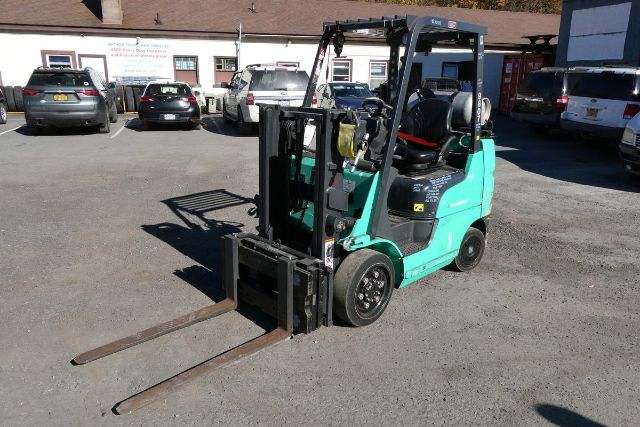
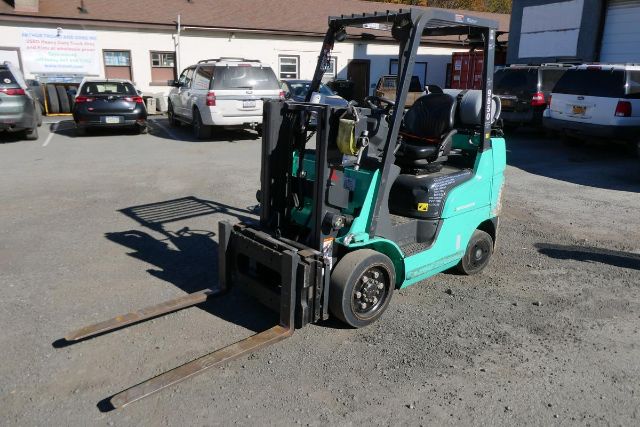
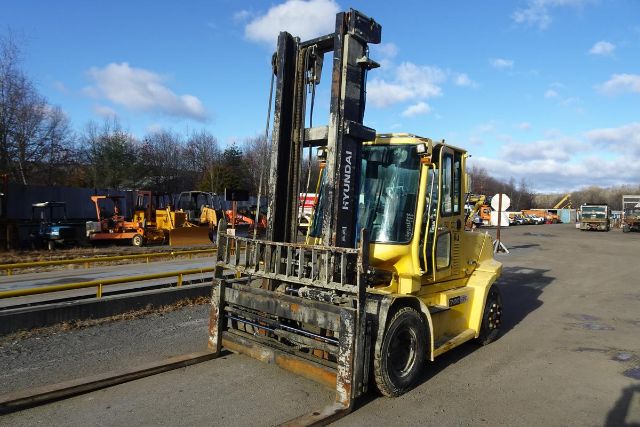
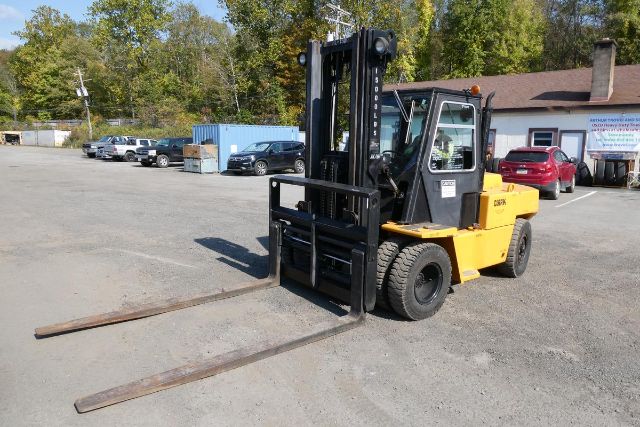
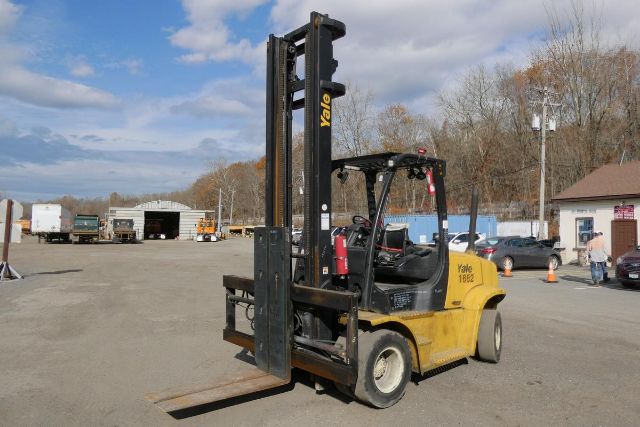
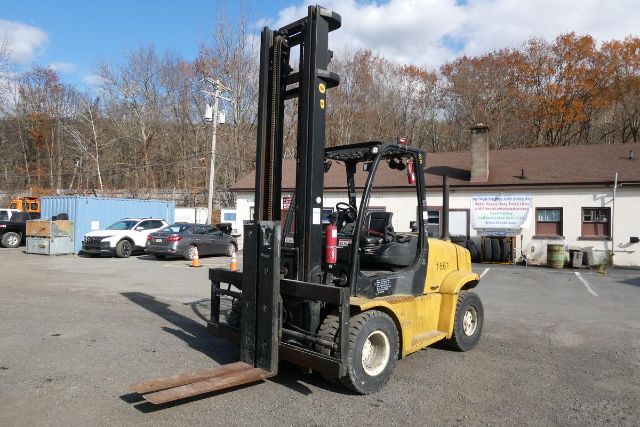
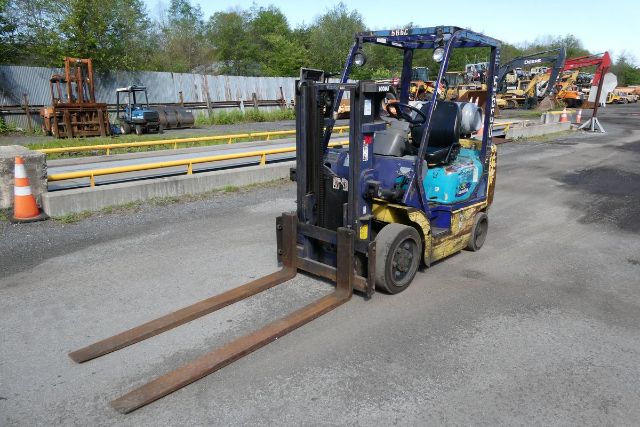
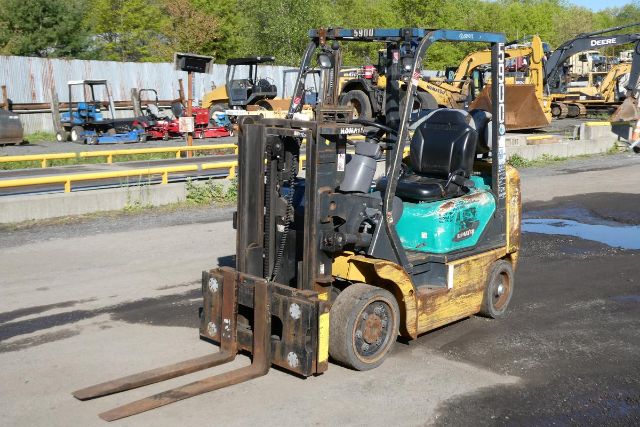
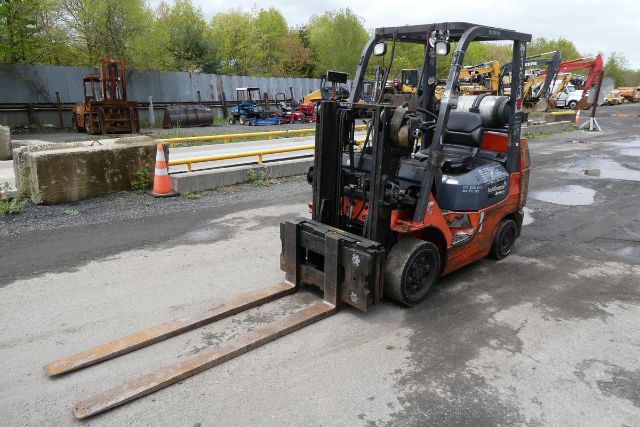
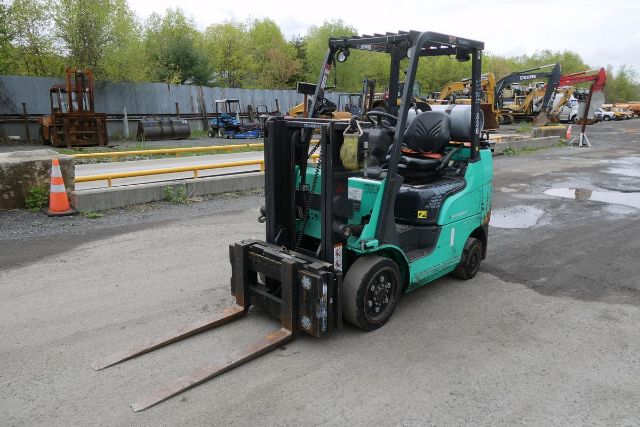
Forklifts are among the most common support machines tied to trucking operations, especially around terminals, lumber yards, warehouses, and flatbed freight handling. Key specs include rated lift capacity, mast type, collapsed height, maximum lift height, side shift, fork length, tire type, and power source. Propane units are common for mixed indoor and outdoor use because they refuel quickly and deliver steady runtime, while electric lifts may suit enclosed facilities with stricter emissions and noise concerns. A buyer comparing used fork trucks should pay attention to mast wear, chain condition, tilt cylinder leaks, steer axle play, solid tire condition, hour meter reading, and whether the machine includes forks, a side shifter, or a fourth valve for attachments.
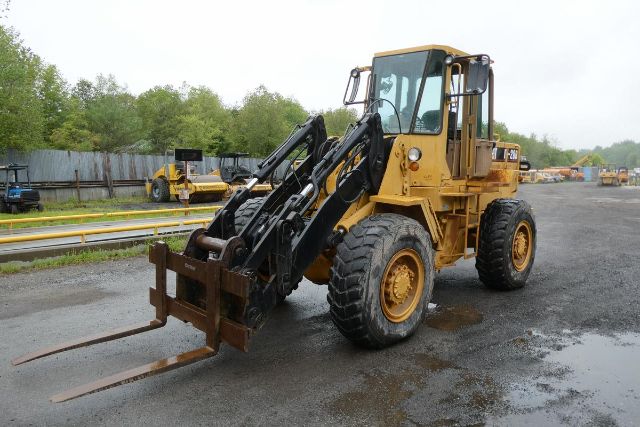
Portable light towers and generator-equipped support units matter for fleets that work after dark, handle accident response, or operate in remote yards. The practical questions are engine hours, generator output, lamp configuration, mast operation, trailer dimensions, tire condition, and the status of leveling jacks and electrical components. If the equipment will be towed between sites, overall weight, trailer balance, coupler setup, and lighting compliance are worth checking. For heavier yard and site support machines such as wheel loaders or motor graders, buyers should look closely at engine condition, cooling system health, transmission function in every gear, hydraulic cylinder seepage, articulation or steering play, tire cost, and attachment compatibility such as buckets, quick couplers, or rippers.
Used trucking equipment can cover a wide age and condition range, so inspection discipline matters more here than in a narrower category. Service records, cold-start behavior, visible leaks, hour meter credibility, parts support, and transport logistics all affect total ownership cost. In New York, buyers also need to think about cold-weather starting, corrosion from road salt, indoor storage needs, and the size constraints of urban or older industrial properties. The best choice is the machine that matches the task, has straightforward serviceability, and offers enough capacity and durability without creating unnecessary operating cost or hauling complications.
Frequently Asked Questions
What counts as trucking equipment in this category?
Trucking equipment is a catch-all category for support machines and related equipment used alongside commercial trucks and fleet operations. It often includes forklifts, portable light towers, generators, wheel loaders, graders, yard support machines, and other equipment used for loading, unloading, site maintenance, nighttime work, and terminal operations. The category is less about one body style and more about what helps a trucking business move freight, support a yard, or maintain a worksite.
What should I check first when buying used trucking equipment?
Start with the machine’s actual working function and the major cost items. On a forklift, that means mast operation, lift capacity, hydraulic leaks, tire condition, and whether the attachment setup fits your freight. On a light tower, check engine hours, generator output, mast function, and the condition of the trailer running gear. On heavier machines, verify engine performance, transmission operation, cooling system condition, hydraulic response, and tire or undercarriage expense. A machine that runs is not always a machine that is ready for dependable service.
Is propane, diesel, or electric better for support equipment?
The right fuel type depends on where and how the equipment will be used. Propane forklifts are popular because they are easy to refuel and work well in mixed indoor and outdoor duty. Electric units can be a strong choice for indoor facilities that want lower noise and no on-site exhaust, but battery condition and charging infrastructure matter. Diesel is common for larger off-road support machines and portable equipment because it delivers torque, runtime, and broad service support. The best option is the one that matches your operating hours, ventilation conditions, and maintenance capabilities.
How important are hours on used support equipment?
Hours matter, but they should never be the only measure of value. A higher-hour machine with consistent maintenance, dry hydraulics, and strong operating performance can be a better buy than a lower-hour unit with poor service history or deferred repairs. Buyers should compare hour meter readings with pedal wear, control wear, pins and bushings, mast or boom play, and overall condition. The goal is to judge true wear, not just the number displayed on the meter.
What matters most for buyers in New York?
New York buyers should pay extra attention to cold-weather reliability, corrosion, storage, and maneuverability. Road salt can accelerate rust on frames, trailer components, masts, electrical connections, and hydraulic fittings. Winter operation puts more value on strong batteries, working glow or preheat systems, proper coolant protection, and good tires. In tighter metro or industrial locations, machine width, turning radius, transport dimensions, and indoor clearance can be just as important as capacity.