
Agriculture Equipment For Sale in New York
Browse agriculture equipment for sale in New York, including mowers, compact grounds units, and specialty farm equipment for property care.
Learn moreBrowse Agriculture Equipment Trucking Equipment by Make
Have agriculture equipment trucking equipment to sell? List it here to reach thousands of buyers.
About Agriculture Equipment in New York
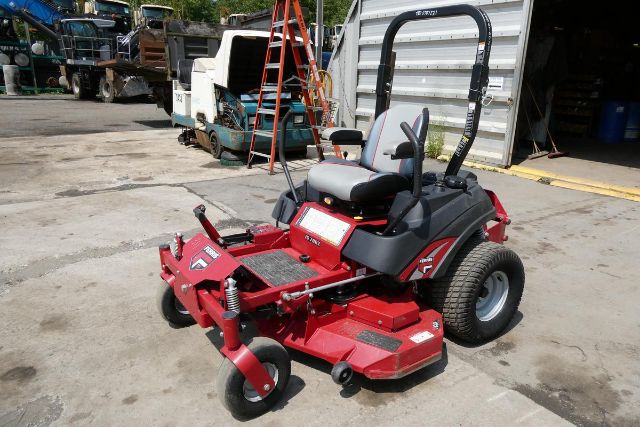
On smaller agriculture equipment, the key buying points are usually attachment compatibility, drivetrain design, deck or working width, and overall machine dimensions. A front-mount setup can be useful for visibility around trees, fence lines, and landscaped areas, while zero-turn designs are favored for speed and maneuverability on open turf. If the machine will work on uneven ground, pay attention to tire size, weight distribution, center of gravity, and whether it has 4WD or locking traction features. Buyers comparing used units should also check hour meter readings, spindle and belt condition, hydraulic response, steering feel, PTO engagement, and the condition of wear items such as blades, caster assemblies, and deck skirts.
Transport and storage matter more than many buyers expect. Overall width, folded height, operating weight, and tie-down points determine how easily the machine can be moved on a trailer or stored in a barn, municipal shed, or contractor yard. In New York, seasonality also affects equipment choice. A machine that accepts interchangeable attachments can stay productive across mowing, leaf cleanup, brush work, and winter tasks, which may improve annual utilization. ROPS, operator platform design, discharge configuration, and service access all affect day-to-day ownership cost, especially for fleets, municipalities, campuses, and large-acreage property managers.
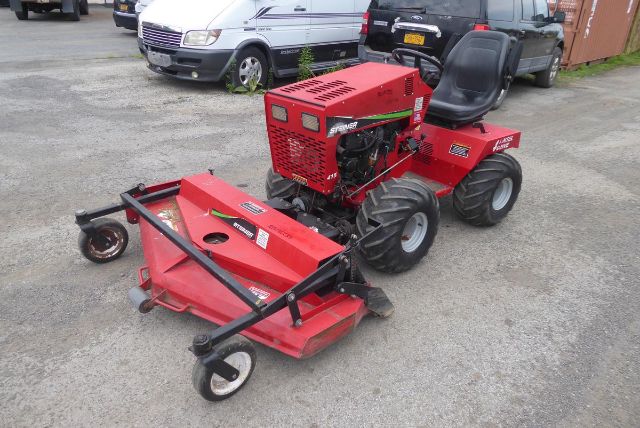
For buyers reviewing agriculture equipment listings, the best value is usually found by matching the machine’s build and feature set to the terrain and labor demands of the operation. A lighter mower may be ideal for maintained turf, while a heavier articulated unit may be better for mixed grounds and attachment use. Look closely at engine brand, transmission type, deck construction, tire setup, and any signs of deferred maintenance. The right machine in this category is the one that can handle the expected workload consistently, fit the property, and remain easy to service over time.
Frequently Asked Questions
What should I look for first when buying used agriculture equipment in this size class?
Start with the machine’s intended application, then verify the major systems that support that work. Engine condition, hydrostatic or mechanical drive performance, attachment operation, tire condition, and structural wear are more important than cosmetics. On mowing and grounds units, inspect deck rust, spindle noise, belt wear, caster play, and cut-height adjustment function. On attachment-capable machines, confirm mounting hardware, PTO or hydraulic engagement, and compatibility with the implements you plan to run.
Is hydrostatic drive better for compact agriculture and grounds equipment?
Hydrostatic drive is often preferred on compact agriculture equipment because it provides smooth speed control, easy directional changes, and better precision around obstacles. That matters on estates, campuses, municipal grounds, and other properties where operators make frequent turns and speed adjustments. A hydrostatic system can also reduce operator fatigue, but buyers should make sure it responds cleanly under load and does not whine excessively, surge, or lose power when hot.
How important is attachment compatibility on agriculture equipment?
Attachment compatibility is one of the biggest value factors in this category. A machine that accepts mower decks, sweepers, blades, snow attachments, or specialty implements can stay productive across multiple seasons and reduce the need for separate dedicated units. Buyers should confirm not only that attachments fit, but also that the machine has the hydraulic capacity, PTO arrangement, lift capability, and mounting points needed to use them correctly.
What matters most for transporting compact agriculture equipment?
Transport starts with actual operating weight, overall width, and loaded height. Those dimensions affect trailer selection, tie-down strategy, and access through gates or storage doors. Buyers should also look for solid frame tie-down points, folded ROPS height if equipped, and tire condition for loading stability. A machine that fits your trailer and storage setup without special handling will usually save time and lower operating headaches.
Are gas-powered agriculture machines practical for commercial or municipal use?
Gas-powered units can be very practical in lighter commercial, municipal, and property-maintenance applications, especially when the machine is compact, easy to service, and used for intermittent duty cycles. They are common on zero-turn mowers, small articulated machines, and support equipment. The main consideration is matching engine output and cooling capacity to the workload. For heavier daily use, buyers should pay close attention to maintenance history, parts support, and how the machine performs after it reaches full operating temperature.