
Ferris Agriculture Equipment For Sale in New York
Shop Ferris agriculture equipment for sale, including commercial zero-turn mowers built for speed, cut quality, operator comfort, and durability.
Learn more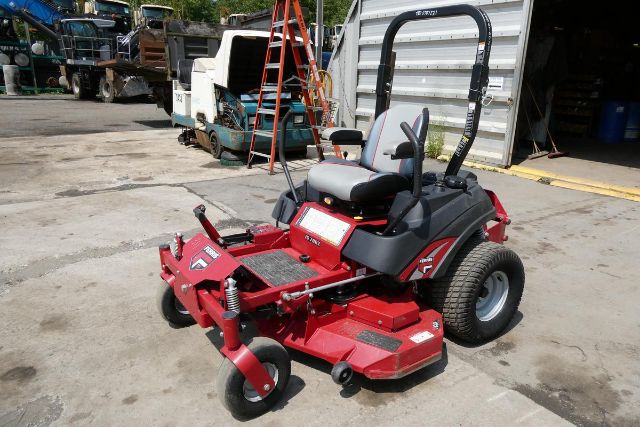
Have ferris agriculture equipment trucking equipment to sell? List it here to reach thousands of buyers.
About Ferris Agriculture Equipment in New York
A typical Ferris zero-turn in used equipment listings may carry a 48-inch, 52-inch, or 61-inch cutting deck, gas power from Kawasaki or Briggs & Stratton, and a belt-driven or hydrostatic drive setup depending on series and age. On mid-size commercial units, buyers should pay close attention to engine hours, deck shell condition, spindle noise, hydro response, and the condition of suspension components. Tire size, ROPS configuration, discharge setup, and cut-height range also matter because they affect transport, storage clearance, and the kind of finish the mower can deliver. A machine that has spent its life on clean turf will present very differently than one used on uneven rural properties or field edges.
For New York buyers, seasonality and storage history are worth checking closely. Corrosion on deck edges, hardware, electrical connections, and discharge areas can show up faster when equipment sits through wet winters or is washed and stored improperly. Look underneath for welded deck repairs, caster fork wear, cracked anti-scalp wheels, and signs of repeated blade impact. On any Ferris mower, it is smart to confirm service records for engine oil, filters, belts, blades, hydro maintenance, and grease points. A clean hour meter reading helps, but maintenance history is often the better indicator of remaining life.
Ferris equipment appeals to buyers who need commercial mowing output without stepping into a full tractor and pull-behind setup. The main buying decision usually comes down to acreage, terrain, and finish expectations. Larger decks cover ground faster but may be less forgiving around tight landscaping or transport gates. Higher horsepower helps maintain blade speed in heavy growth, but overall cut quality still depends on deck condition, blade setup, and proper ground speed. If your work includes a mix of manicured areas and rougher turf, a well-kept Ferris zero-turn can be a practical choice for balancing productivity, operator comfort, and long-term serviceability.
Frequently Asked Questions
What type of Ferris agriculture equipment is most common in used listings?
The most common Ferris agriculture equipment listings are commercial zero-turn mowers. These machines are used for large-property mowing, grounds maintenance, estate care, municipal turf work, and other applications where fast cutting speed and tight maneuverability are important. Ferris is especially recognized for zero-turn models with suspension systems that improve ride quality on uneven ground.
What should I inspect first on a used Ferris zero-turn mower?
Start with engine hours, cold-start behavior, hydrostatic drive response, and deck condition. Check for spindle noise, belt wear, uneven cut patterns, cracked deck welds, bent caster assemblies, and excessive play in controls or wheel motors. Suspension components, ROPS hardware, tires, and operator platform wear can also reveal how hard the machine was used and how well it was maintained.
Are Ferris mowers good for rough terrain?
Ferris mowers are widely considered strong performers on rougher turf compared with many conventional zero-turns because of the brand’s suspension design. That does not make them brush cutters or field tractors, but it does help with comfort, traction consistency, and mowing speed on uneven maintained ground. Buyers still need to match tire setup, deck size, and machine weight to the terrain they plan to mow.
What deck size is best on a Ferris mower?
The right deck size depends on acreage, gate access, trailer space, and the amount of trimming required. Smaller decks are easier to maneuver around landscaping and tighter properties, while 52-inch and 61-inch decks are common choices for covering more ground on open acreage. A larger deck can improve productivity, but only if the terrain, transport route, and engine power are a good match.
How important are service records on Ferris mowing equipment?
Service records are extremely important because commercial mowers often accumulate hours quickly. Documentation for oil changes, air and fuel filters, blade service, belts, grease intervals, and hydro maintenance helps confirm that the machine was cared for beyond basic appearance. On used mowing equipment, consistent maintenance history is often a better predictor of reliability than hour meter readings alone.