
Motor Graders For Sale in New York
Browse motor graders for road building, site prep, and maintenance. Compare blade size, weight, hydraulics, articulation, and ripper options.
Learn moreBrowse Motor Graders Trucking Equipment by Make
Have motor graders trucking equipment to sell? List it here to reach thousands of buyers.
About Motor Graders in New York
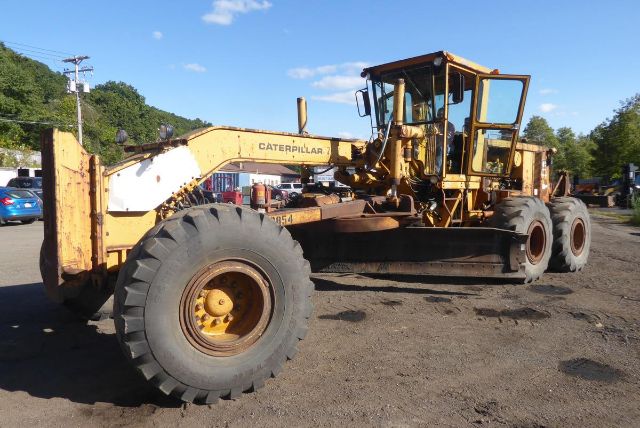
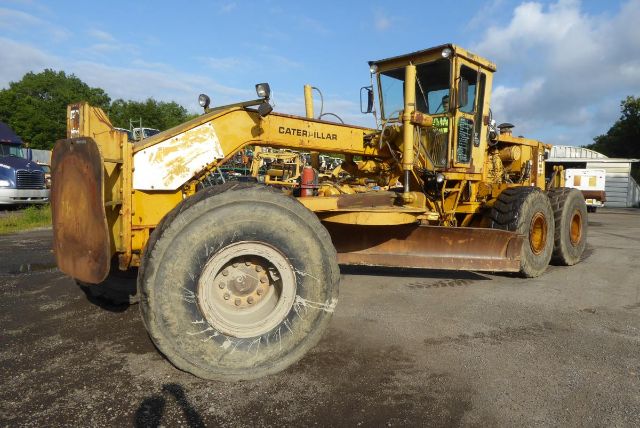
Blade control and hydraulic condition deserve close attention. A grader can start and move fine but still cost real money if circle components, lift cylinders, side shift functions, or articulation joints are worn out. On older mechanical graders, buyers often prefer straightforward powertrains and mechanical-injection diesel engines because they are familiar to service and can be practical in fleet, county, and contractor applications. Check for blade length, drawbar wear, circle backlash, steering response, tandem drive condition, and any seepage at hydraulic cylinders. If the machine includes a rear ripper or scarifier, that adds value for breaking up compacted gravel, frozen material, and failed road surfaces before final grading.
Tire size, frame width, transport dimensions, and operating weight also affect ownership more than many first-time buyers expect. A large motor grader may run on 23.5R25 tires and weigh well over 50,000 pounds, which has implications for hauling permits, jobsite access, and tire replacement cost. Articulated frame machines generally offer better maneuverability on tighter jobs, while long-wheelbase graders are favored where finish quality and straight-line stability matter most. Transmission type, forward and reverse gearing, and brake configuration should match the work. A machine used for county roads and long passes has different priorities than one used for site balancing, ditch cleanup, or seasonal maintenance.
For buyers comparing listings, the best value is rarely just the lowest purchase price. Service history, undercarriage and tandem condition, blade wear, hydraulic performance, and evidence of structural repairs usually tell you more about remaining life than the hour meter alone, especially on older units. Motor graders are also known simply as graders or road graders, and they remain one of the most specialized machines in a heavy equipment fleet. A good one should articulate smoothly, hold a consistent grade, keep the moldboard responsive under load, and deliver enough traction and weight to stay productive in gravel, subbase, and maintained roadway applications.
Frequently Asked Questions
What should I inspect first on a used motor grader?
Start with the moldboard, circle, drawbar, articulation joint, and tandem drives. Excess play in the circle or drawbar affects grading accuracy and can be expensive to correct. Hydraulic cylinder seepage, steering looseness, uneven tire wear, and weak brake performance are also important because they point to wear that shows up quickly in daily operation. On older graders, drivetrain condition and how smoothly the transmission shifts under load are just as important as engine performance.
What size motor grader is best for road work?
That depends on the type of road work and the material being maintained. Larger graders with long moldboards and higher operating weights are better for county roads, base construction, and sustained grading passes where stability and blade control matter most. Smaller graders are easier to transport and more practical for tighter sites, light maintenance, and mixed municipal work. Buyers should match blade width, horsepower, and machine weight to the scale of the roads and the depth of cut expected.
Why does articulation matter on a motor grader?
Articulation lets the machine bend at the center of the frame, which improves maneuverability and helps maintain control when working slopes, ditches, shoulders, and confined areas. It also helps the operator position the blade more effectively relative to the material flow. A grader with smooth, tight articulation is easier to control and generally more productive in finish work than a machine with excessive play in the center joint.
Is a rear ripper important on a motor grader?
A rear ripper is valuable if the machine will be used to break compacted gravel, loosen hard ground, or prep failed road surfaces before grading. It adds versatility by allowing one machine to scarify and then reshape the material without bringing in separate equipment for lighter breakup tasks. For maintenance fleets and road contractors, a functioning ripper can save time and improve production, especially in seasonal repair work and aggregate road maintenance.
How important are transport dimensions and weight on a motor grader?
They are critical because larger motor graders can exceed common hauling thresholds for width, height, and gross weight. That affects trailer selection, permit requirements, route planning, and mobilization cost. A buyer should compare machine dimensions and operating weight against the fleet's hauling capability before purchase. Transport limits can influence total ownership cost almost as much as the machine's purchase price, especially for contractors moving between multiple jobsites.