
Caterpillar Motor Graders For Sale in New York
Shop Caterpillar motor graders for sale in New York. Compare blade size, ripper setup, drivetrain, weight, and grading applications.
Learn more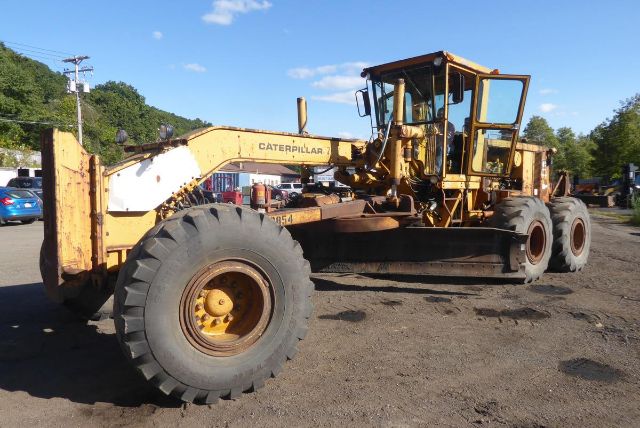
Have caterpillar motor graders trucking equipment to sell? List it here to reach thousands of buyers.
About Caterpillar Motor Graders in New York
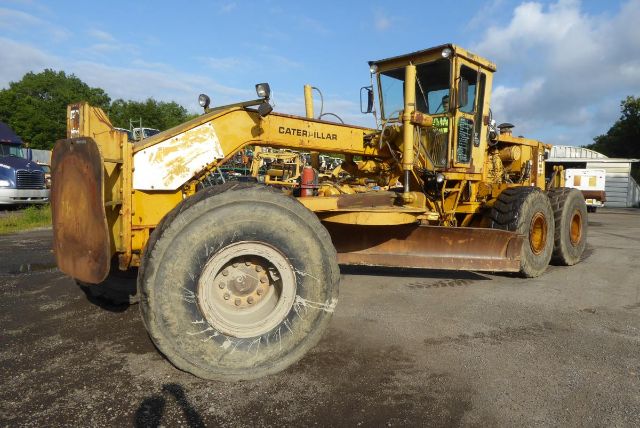
On used Caterpillar motor graders, drivetrain and hydraulic condition usually matter more than cosmetics. Many older Cat graders are powered by mechanical-injection diesel engines and paired with powershift or automatic transmissions with multiple forward and reverse speeds. Buyers should pay close attention to articulation function, circle wear, drawbar play, blade lift response, and any seepage at steer or implement cylinders. Tire size, rim style, tandem condition, brake type, and steering performance also affect ownership cost. If the machine has a ripper, inspect shank mounts, tooth availability, and cylinder performance, since a working ripper adds real value for breaking hard ground before final grading.
Blade setup is a major buying point in this category. Moldboards in the 14-foot to 16-foot class are common on larger Caterpillar graders, and that extra width can improve productivity on county roads, commercial pads, and aggregate surfaces. A buyer should also look at side-shift, tip control, circle rotation smoothness, and how well the machine maintains moldboard position under load. Cab equipment can vary widely on older units, especially heat, air conditioning, and visibility upgrades, so it is worth checking operator comfort if the grader will be used for long municipal or highway shifts. Transport dimensions and operating weight are just as important, since larger graders may require more planning for lowboy moves and permit compliance.
Caterpillar has long been one of the best-known names in the grader market because parts support, service familiarity, and resale value tend to remain strong. For buyers comparing multiple units, the best machine is usually the one with the tightest front end, strongest hydraulics, clean transmission behavior, and the least structural wear around the circle, articulation joint, and main frame. A well-maintained Cat motor grader can stay productive for years in construction, municipal, quarry, and road maintenance fleets, especially when the machine matches the width, material type, and finish expectations of the work.
Frequently Asked Questions
What should I inspect first on a used Caterpillar motor grader?
Start with the articulation joint, circle, drawbar, moldboard controls, and hydraulic cylinders. Excess play in the circle or drawbar can affect grading accuracy and lead to expensive repairs. Check for smooth steering, responsive blade functions, even tire wear, and consistent transmission engagement in both forward and reverse ranges. Engine condition matters, but loose grading components often tell you more about how the machine will perform on an actual jobsite.
What size Caterpillar motor grader is best for heavy road work?
For heavy road construction, mine roads, and wide maintenance passes, larger machines such as Cat 16-series graders are often preferred because they offer more weight, longer wheelbase stability, and wider moldboards. That added size helps the blade stay planted in tougher material and improves productivity on broad surfaces. Smaller graders can be a better fit for municipal streets, tighter sites, and lighter finish work where maneuverability matters more than raw production capacity.
Why is a rear ripper important on a motor grader?
A rear ripper lets the grader loosen compacted gravel, hardpan, and deteriorated road surfaces before blade work begins. That can reduce the number of passes needed to reshape a surface and improve the grader's ability to cut material consistently. On used units, buyers should inspect the ripper frame, shank pockets, teeth, and hydraulic cylinders because a nonfunctional ripper lowers versatility and adds repair cost.
Are older Caterpillar motor graders still a practical fleet purchase?
Yes, many older Caterpillar graders remain practical if the powertrain, hydraulics, and main structural components are sound. Older models often use simpler mechanical engines and proven transmissions that many fleets and independent shops already know how to service. The key is to verify that the grader still holds grade well, articulates correctly, and does not have excessive wear in the circle, tandem, or steering system.
What matters most when comparing blade setups on Caterpillar motor graders?
Look at moldboard width, circle condition, side-shift function, tip control, and how firmly the blade holds under load. A wider blade can improve coverage and pass efficiency, but only if the circle and hydraulic system are tight enough to maintain control. Buyers should also consider whether the grader's blade setup matches the surface being maintained, since road shoulders, pads, and haul roads can require different reach and material handling characteristics.