
Cranes For Sale in New York
Shop crane trucking equipment for sale in New York. Compare boom length, lift capacity, carrier type, hydraulics, and jobsite suitability.
Learn moreBrowse Cranes Trucking Equipment by Make
Have cranes trucking equipment to sell? List it here to reach thousands of buyers.
About Cranes in New York
Capacity alone does not tell the full story. A 10-ton or 28,000-pound rated crane may handle the target load only at a short radius, so buyers should compare boom sections, jib length, maximum tip height, and the available chart at working radius. Pay close attention to hydraulic condition, winch performance, turntable wear, outrigger function, and any seepage at lift cylinders, swivel joints, or rotation components. On older cranes, brake type, steering configuration, cab condition, tire size, and drivetrain parts availability matter just as much as the boom. In New York, overall transport width, machine weight, and ease of mobilization can affect permitting, routing, and how efficiently the crane moves between urban jobs, industrial sites, and rural projects.
Powertrain and operating setup vary widely in this equipment class. Some smaller industrial cranes use gas, propane, or dual-fuel engines, while larger rough-terrain and truck cranes typically use diesel power and heavier hydraulic systems. Transmission type, axle design, steering modes, and tire setup all affect maneuverability and service cost. Buyers should also review hour meter readings in context with maintenance history, structural condition, and signs of past overload or poor storage. Boom pins, wear pads, cable condition, sheaves, hook block components, and outrigger boxes deserve close inspection because repairs in those areas can quickly change the true cost of ownership.
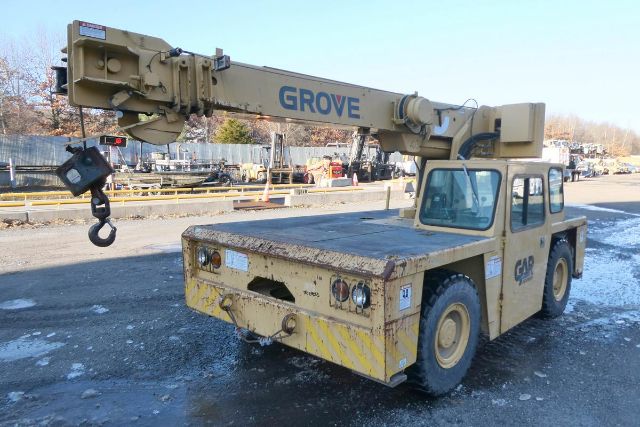
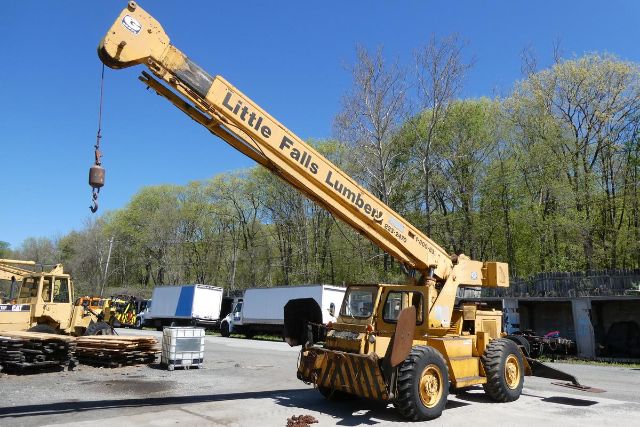
For many fleets, the best buying decision comes down to matching the crane to the actual lift cycle instead of buying on peak capacity alone. A crane used for HVAC placement, precast handling, machinery moving, or yard support should be sized around common load weight, reach, setup area, and frequency of relocation. Units with enclosed cabs, compact dimensions, and simple controls can be a good fit for intermittent use, while higher-demand operations may need stronger hydraulic performance, better road travel capability, and cleaner documentation on inspections and repairs. Also known in some cases as crane trucks, boom trucks, carry deck cranes, or rough-terrain cranes, this equipment category rewards careful comparison of lift geometry, structural condition, and serviceability before price becomes the deciding factor.
Frequently Asked Questions
What should I check first when comparing cranes for sale?
Start with the load chart, boom length, and working radius, not just the advertised maximum capacity. A crane's rated capacity drops as radius increases, so the real question is whether it can lift the intended load at the required distance and height. After that, review jib configuration, outrigger spread, transport dimensions, machine weight, and overall hydraulic condition.
What is the difference between a crane truck, a rough-terrain crane, and a carry deck crane?
A crane truck is built for road travel and job-to-job mobility, making it useful for field service, deliveries, and general construction support. A rough-terrain crane is designed for off-road jobsite movement with larger tires, stronger flotation, and more capability on uneven ground. A carry deck crane is a compact industrial crane with a small deck and tight turning radius, commonly used in plants, yards, and confined work areas where maneuverability matters more than highway speed.
How important are hydraulic leaks or seepage on an older crane?
Hydraulic seepage should be taken seriously because it can point to worn seals, cylinder issues, turntable problems, or deferred maintenance. Minor seepage may be manageable, but active leaks at lift cylinders, rotation components, outrigger circuits, or winch systems can affect safety, performance, and repair cost. On older cranes, hydraulic condition is often one of the clearest indicators of how the machine has been maintained.
Does boom length matter more than lift capacity?
Neither spec matters more in every case because they work together. Lift capacity determines how much the crane can pick, while boom length and jib setup determine whether the crane can reach the load at the necessary height and radius. Buyers should match both specs to the most common lifts they perform, since a high-capacity crane with limited reach can still be the wrong machine for the job.
What New York buyers should consider before purchasing a crane?
New York buyers should pay attention to transport width, gross machine weight, and how easily the crane can be mobilized between jobs. Urban work can favor compact dimensions and tighter steering, while upstate and industrial applications may place more value on off-road capability and heavier lift performance. Local permitting, routing restrictions, storage space, and the availability of qualified service support should also factor into the buying decision.