
Agriculture - Tractors For Sale in New York
Browse agriculture tractors for sale, including utility and loader-ready farm tractors with common 2WD/4WD, PTO, hydraulic, and cab options.
Learn moreBrowse Agriculture - Tractors Trucking Equipment by Make
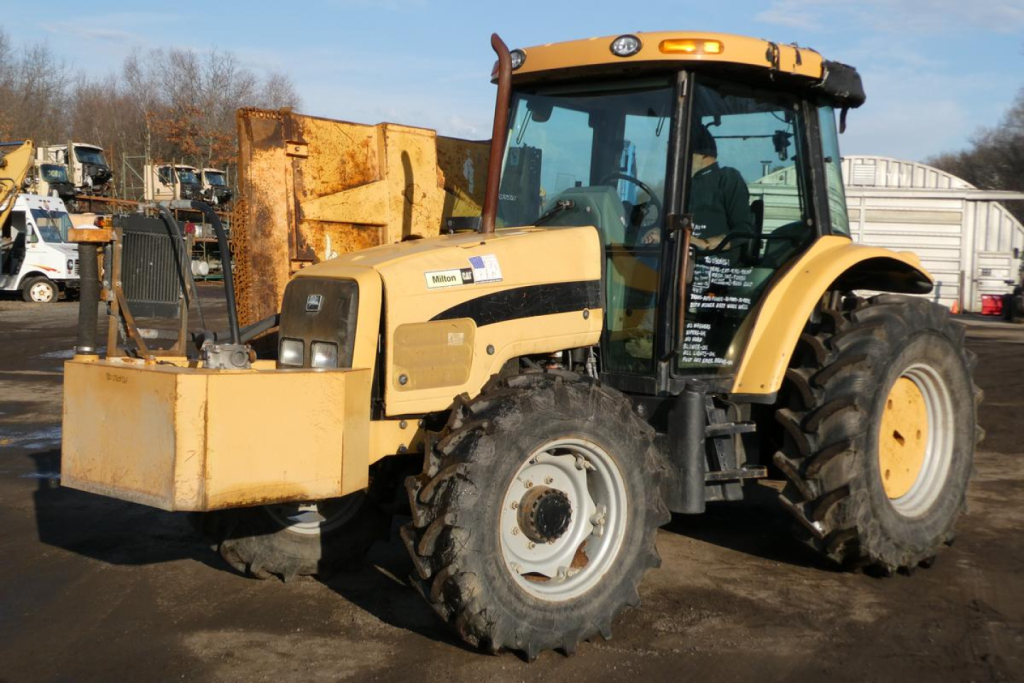
2008 Challenger MT455B
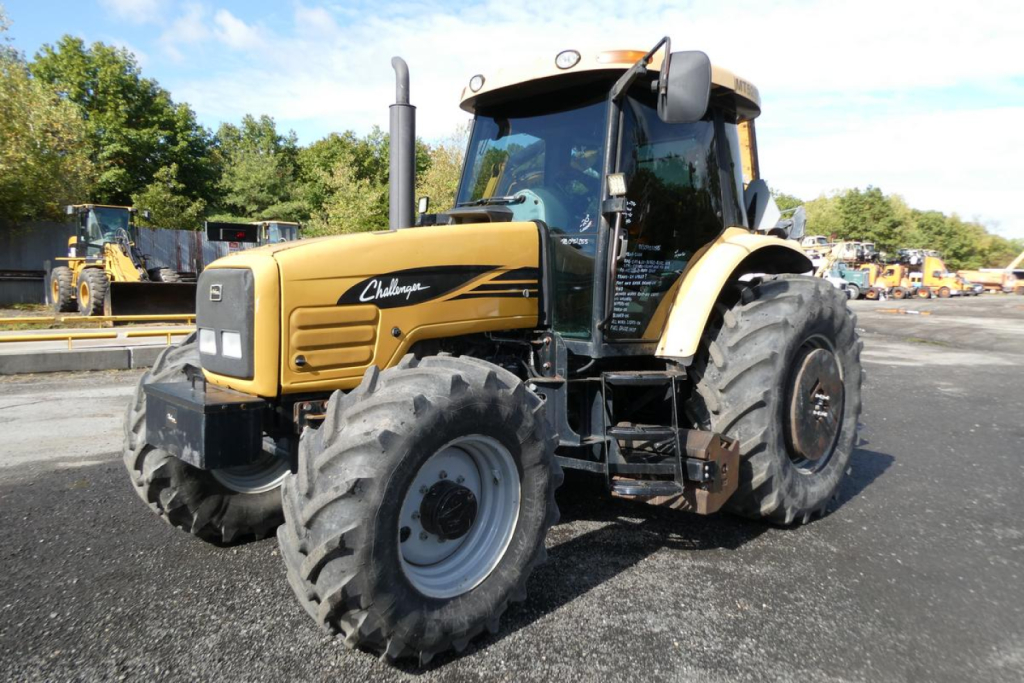
2005 Challenger MT525B
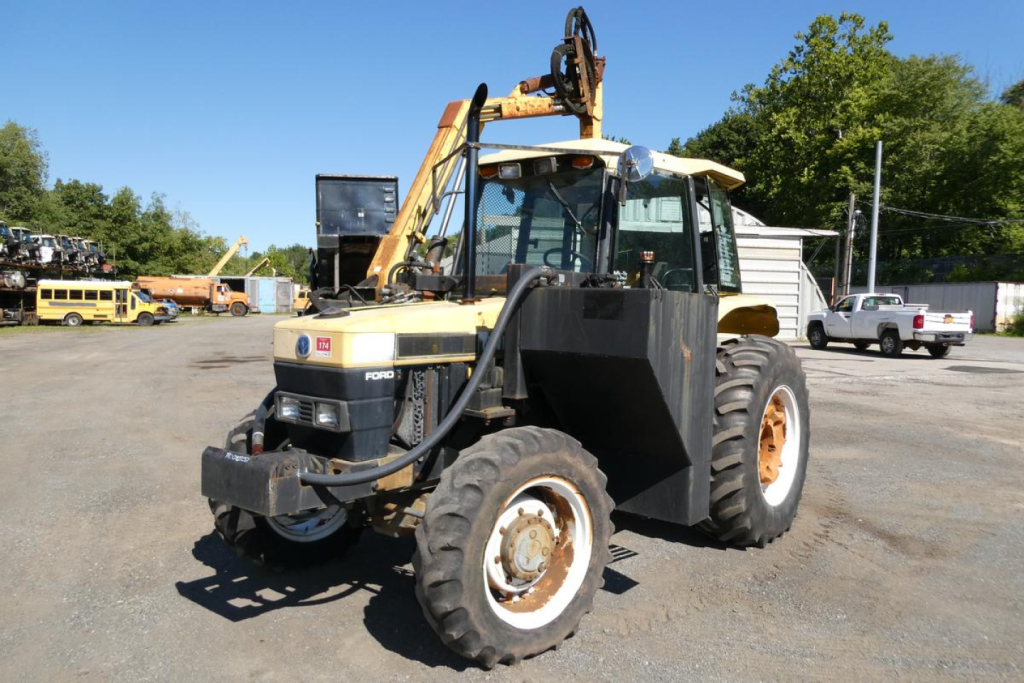
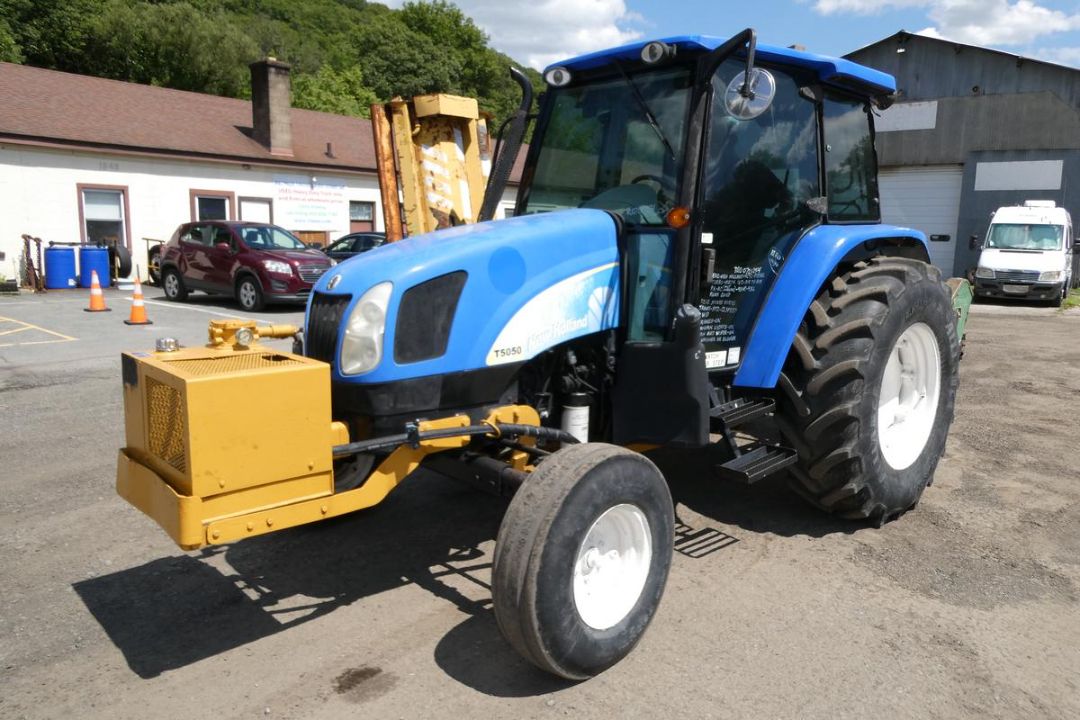
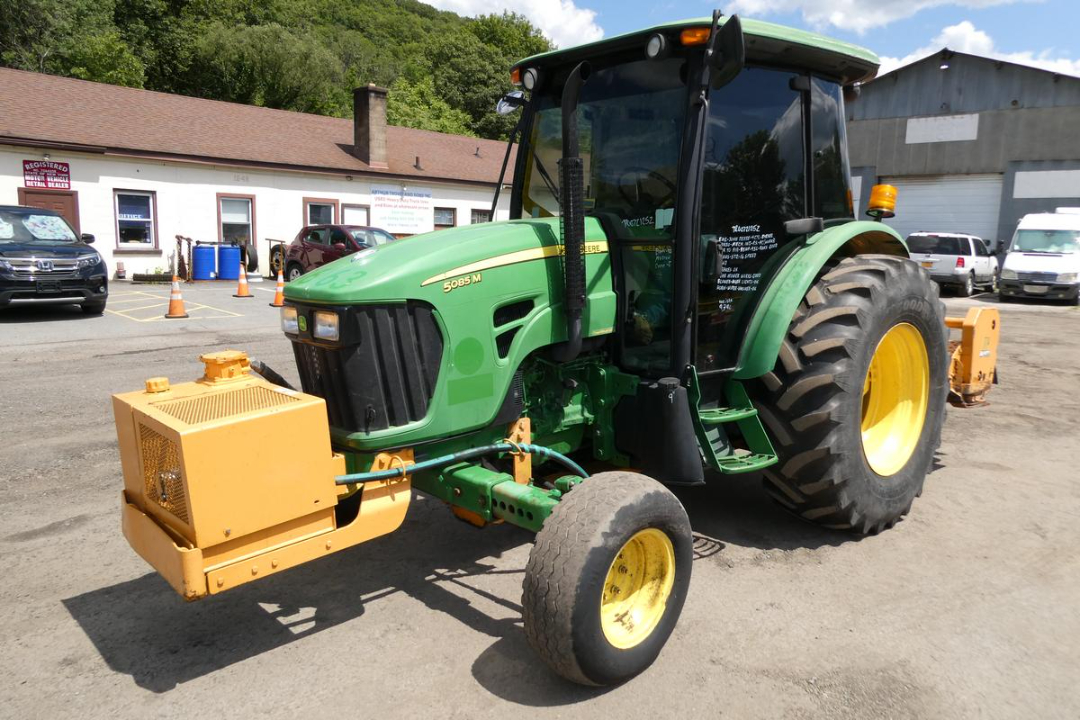
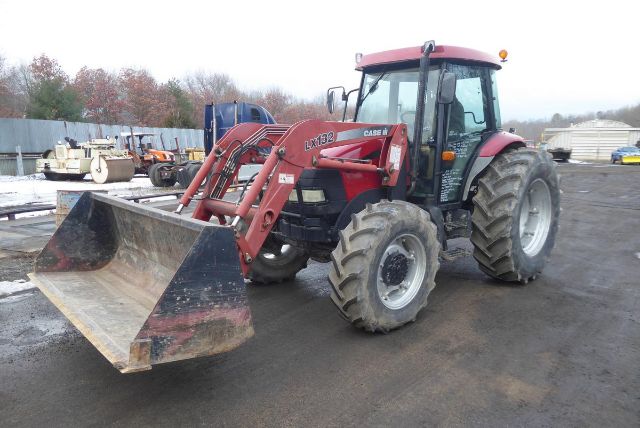
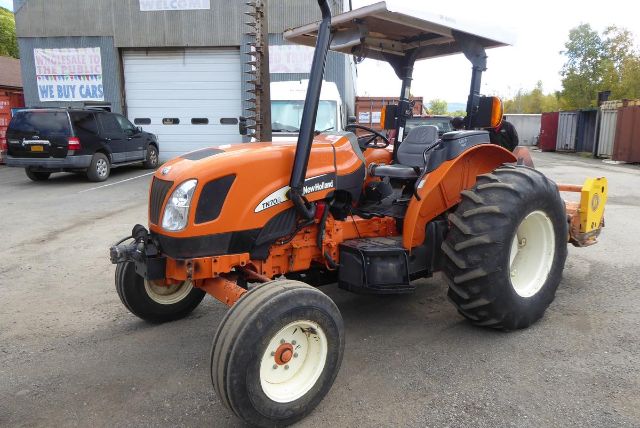
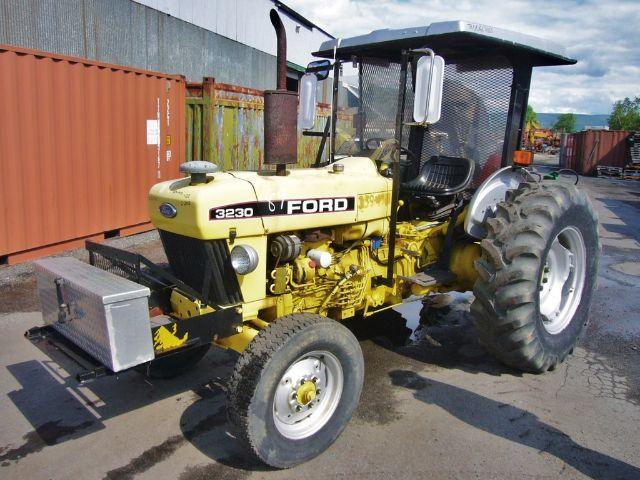
Have agriculture - tractors trucking equipment to sell? List it here to reach thousands of buyers.
About Agriculture - Tractors in New York
Attachment compatibility is where a good tractor becomes a productive one. Many agriculture tractors in this class are set up with a 3-point hitch, rear PTO, auxiliary hydraulics, and loader mounting points. That opens the door to front-end loaders, rear mowers, flail mowers, blades, spreaders, augers, and other seasonal implements. Buyers comparing tractors should look closely at hydraulic flow, remote count, lift capacity, and whether a front pump or mower-specific hydraulic setup is already installed. A loader-ready tractor with a sound front axle, dry cylinders, and tight steering can save substantial setup cost. If roadside mowing or municipal maintenance is part of the intended use, it also pays to inspect any articulating boom mower or flail package separately from the tractor itself, since the attachment condition can change the value of the unit considerably.
Transmission and chassis layout affect day-to-day usability more than many first-time buyers expect. An 8-speed manual may be perfectly adequate for basic drawbar and loader work, while a 12-speed, 16-speed, or 24-speed transmission gives more flexibility for mowing speeds, field work, and transport. Adjustable front axles, enclosed ROPS cabs, and power steering are common features in this class and have real value in mixed-use applications. Tire size and tread also deserve attention because they influence flotation, traction, ride quality, and replacement cost. Agricultural R1 rubber is ideal for field traction, but some tractors used in municipal or estate work may wear turf or industrial-style tires better suited to maintained surfaces.
Used agriculture tractors should be evaluated as complete working systems, not just by make, model, or hour meter. Meter accuracy is not always guaranteed on older equipment, so condition of pedals, hitch points, drawbar wear, loader pins, hydraulic couplers, and cab controls often tells a clearer story. Check PTO engagement, 3-point hitch response, hydraulic leaks, cooling system condition, and front axle play, especially on 4WD units. Cab tractors with heat and air conditioning are common, but HVAC repairs can add cost, so buyers should verify blower operation, compressor function, and glass or roof condition. Well-matched tractors in this category remain versatile assets for farms, orchards, municipalities, large-acreage properties, and vegetation management contractors because they can handle both field implements and specialized mowing or loader attachments.
Frequently Asked Questions
What size agriculture tractor is best for general farm and property work?
For general-purpose work, many buyers target utility tractors in the 80 to 100 horsepower range because they can handle loaders, 3-point implements, mowing, light tillage, snow removal, and transport duties without moving into a much larger chassis. The right size still depends on terrain, implement weight, PTO demand, and whether the tractor will spend more time doing loader work, field work, or roadside maintenance.
Is 2WD or 4WD better on an agriculture tractor?
4WD is usually the better choice when traction is a priority, especially in mud, snow, soft fields, sloped ground, or loader applications where front axle pull improves control. 2WD tractors can still be productive and cost-effective for lighter work on firm ground, but they generally give up traction and versatility compared with a similar 4WD machine.
Why is PTO horsepower important when buying a farm tractor?
PTO horsepower determines how effectively the tractor can run driven implements such as rotary cutters, flail mowers, finish mowers, augers, pumps, and spreaders. Engine horsepower alone does not tell the full story because driveline losses reduce the power available at the PTO. Buyers planning to run heavy mowing or hay equipment should match PTO horsepower to the implement manufacturer’s requirements.
What should I inspect on a used agriculture tractor besides engine hours?
Hours are only one part of the evaluation. Buyers should inspect cold starting, exhaust color, transmission shifting, clutch response if equipped, PTO engagement, hydraulic performance, steering play, brake function, front axle wear, tire condition, and the operation of the 3-point hitch. On tractors with loaders or mower packages, pin wear, cylinder leaks, pump condition, and frame stress are just as important as the tractor’s base mechanical condition.
Are cab tractors worth the extra cost?
Cab tractors are often worth the premium when the machine will be used for mowing, snow work, municipal applications, or long workdays because they improve operator comfort, reduce fatigue, and provide weather protection. An enclosed ROPS cab with working heat and air conditioning can materially improve productivity, but buyers should confirm HVAC operation and inspect glass, seals, and roof panels since cab repairs can be expensive.