
Ford Agriculture - Tractors For Sale in New York
Browse Ford agriculture tractors for sale, including utility and field-ready models with common specs, PTO options, transmissions, and 4WD setups.
Learn more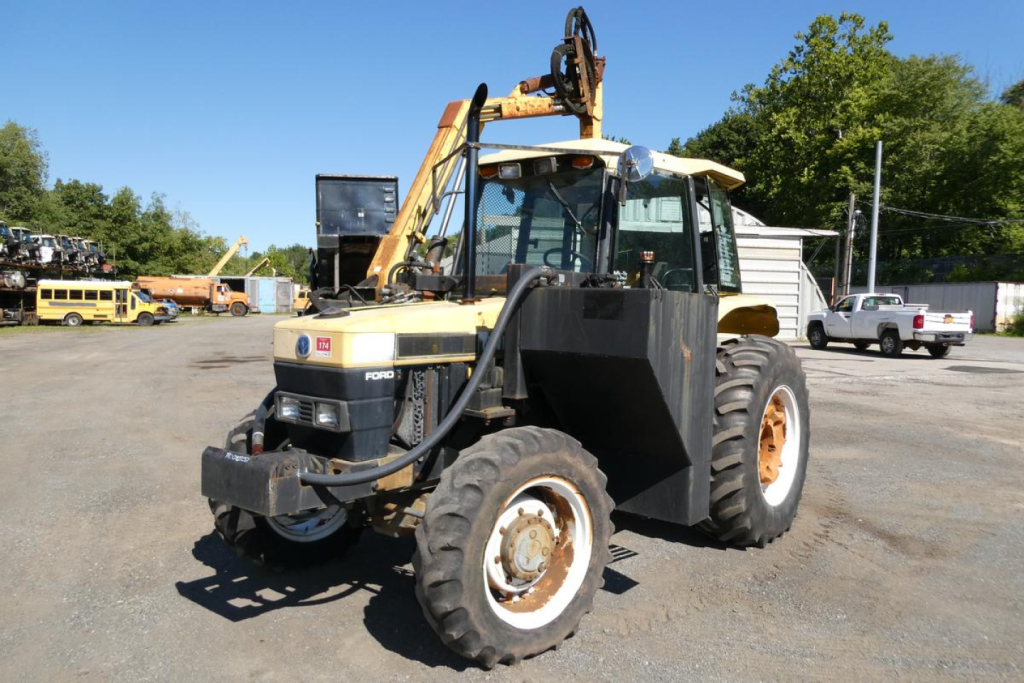
Have ford agriculture - tractors trucking equipment to sell? List it here to reach thousands of buyers.
About Ford Agriculture - Tractors in New York
A buyer should pay close attention to horsepower, transmission type, PTO rating, and drivetrain configuration. Many Ford tractors in this class fall into the roughly 35 to 85 horsepower range, with 8-speed or 12-speed transmissions being common and 2WD or 4WD depending on the intended work. PTO horsepower matters if the tractor will run a rotary cutter, sickle mower, flail mower, tiller, or baler. Hydraulic performance also matters when the tractor is paired with a loader, boom mower, or other hydraulic-driven attachment. Rear tire ballast, wheel weights, and calcium-filled tires can improve traction and stability, but they also affect ride quality, transport weight, and rim condition over time.
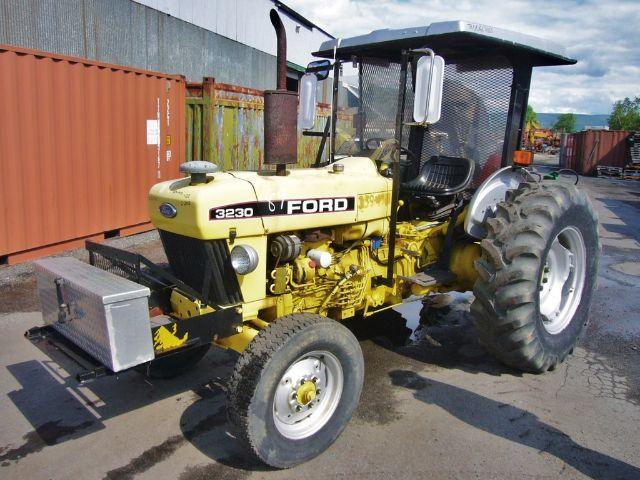
Configuration has a major impact on usability. Open-station tractors with ROPS are common for basic field work and mowing, while enclosed cab tractors offer better comfort for long hours, roadside use, and colder New York conditions. A 3-point hitch and rear PTO are standard buying checkpoints, but buyers should also confirm remote hydraulics, drawbar condition, lift capacity, and front axle condition on 4WD units. Tire size and tread style can tell you a lot about the tractor's prior job. Agricultural tread suits field traction, while more mixed-use setups may point to municipal mowing, estate maintenance, or roadside work. If a tractor comes with a side arm mower, rotary sickle mower, or flail setup, inspect the hydraulic pump arrangement, boom pins, pivot points, cutting head wear, and any evidence of frame stress.
For used Ford tractors, overall mechanical condition usually outweighs cosmetics. Hour meter readings help, but service history, cold-start behavior, clutch feel, hydraulic response, PTO engagement, steering play, brake performance, and evidence of leaks are often better indicators of value. Buyers in New York should also factor in winter storage history, corrosion on rims and sheet metal, and tire age if the tractor has spent time outdoors. Ford tractors continue to appeal to buyers who want a practical agricultural machine with familiar controls, broad attachment compatibility, and enough versatility to handle mowing, material handling, and everyday farm work without unnecessary complexity.
Frequently Asked Questions
What are Ford agriculture tractors commonly used for?
Ford agriculture tractors are commonly used for mowing, loader work, grading, light tillage, hay handling, snow removal, and general farm or property maintenance. Smaller utility models are well suited for pasture care, fence line mowing, and chores around barns and outbuildings, while larger models can handle heavier PTO and drawbar work. Attachment compatibility is a major reason these tractors remain in demand on small and mid-size operations.
What specs matter most when comparing used Ford tractors?
The most important specs are engine horsepower, PTO horsepower, transmission type, 2WD or 4WD configuration, hydraulic capacity, hitch setup, and tractor weight. Buyers should match these specs to the intended job instead of shopping by model number alone. A mower, baler, or flail head may require more PTO and hydraulic capability than a tractor used mainly for pulling wagons or light blade work.
Is 4WD worth it on a Ford farm tractor?
4WD is often worth the added cost if the tractor will be used with a loader, on soft ground, on hills, or in winter conditions. It improves traction, steering control under load, and overall stability in wet or uneven terrain. For lighter mowing or dry-ground utility work, a 2WD tractor can still be a cost-effective option if tire condition and ballast are appropriate.
What should I inspect on a used Ford tractor with a mower attachment?
Inspect the PTO operation, hydraulic flow, boom or hitch mounting points, cutting head condition, driveline components, and any visible cracking or repairs around the frame and attachment mounts. On side arm or flail mower setups, pay close attention to pivot bushings, hoses, cylinders, pump drives, and signs of leakage or heat damage. A tractor that runs well can still require significant attachment repairs, so the implement should be evaluated as closely as the tractor itself.
Are older Ford tractors still practical to own and maintain?
Older Ford tractors are still practical for many buyers because they are generally straightforward to operate and service, with a long-established reputation for mechanical simplicity. Parts support varies by model and component, but many common service items remain accessible through aftermarket and agricultural equipment channels. The key is buying a tractor with good mechanical fundamentals, solid hydraulics, and a configuration that matches the work you need it to do.