
John Deere Agriculture - Tractors For Sale in New York
Browse John Deere agriculture tractors for sale, including utility and field models with diesel power, PTO options, 2WD or MFWD setups.
Learn more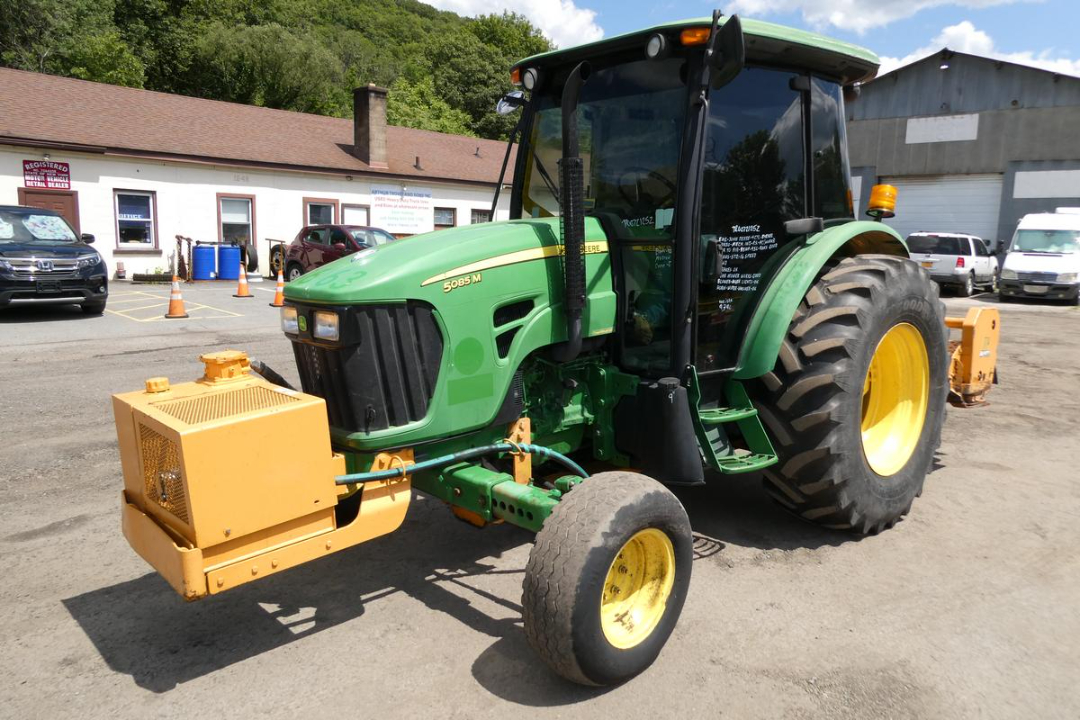
Have john deere agriculture - tractors trucking equipment to sell? List it here to reach thousands of buyers.
About John Deere Agriculture - Tractors in New York
A utility-focused John Deere tractor typically appeals to buyers who need one machine to cover mowing, property maintenance, feeding, light fieldwork, and transport chores. Models in the 70 to 100 horsepower range are especially common for mixed-use applications because they offer enough engine power for a rotary cutter or flail mower while still staying manageable around barns, lanes, and tighter work areas. Transmission choice matters here. Buyers should pay close attention to gear count, shuttle operation, road speed, PTO engagement, and ease of direction changes if loader work is part of the plan. Tire size, wheel configuration, axle type, and overall tractor weight also affect traction, soil compaction, and stability on uneven ground.
Hydraulics and hitch equipment deserve a close look on any John Deere farm tractor listing. A 3-point hitch, rear remotes, live or independent PTO, and front hydraulic provisions can make a major difference in attachment compatibility. If the tractor has been used with roadside or municipal mowing equipment, inspect for added hydraulic pumps, front engine-driven hydraulic setups, lift cylinders, frame modifications, and wear associated with long hours at steady PTO load. Cab condition, air conditioning performance, glass, lighting, and operator controls also matter more than many buyers expect, especially on tractors used for long mowing or field days.
Condition should be judged by service history and operating function, not just hour meter reading. On a used John Deere tractor, buyers typically inspect cold start behavior, blow-by, transmission engagement, clutch response, hydraulic lift strength, PTO operation, front axle wear, steering play, brake function, and tire condition. It is also smart to confirm exact PTO horsepower, rear tire sizing, ballast setup, and any included implements or mounting hardware. For buyers in New York, tractor size and attachment width can also affect hauling plans, storage access, and seasonal use in wet ground or snow conditions. A well-matched John Deere tractor can hold value well when the powertrain, hydraulics, and hitch configuration fit the intended job.
Frequently Asked Questions
What should I look for first when buying a used John Deere agriculture tractor?
Start with engine horsepower, PTO horsepower, drivetrain, transmission type, and hydraulic setup. Those specs determine what implements the tractor can actually run and how well it will perform in loader work, mowing, haying, or field applications. After that, check hours, cold start performance, PTO engagement, 3-point hitch lift, hydraulic remotes, tire condition, and any signs of wear in the front axle, steering, clutch, or brakes.
Is 2WD or MFWD better on a John Deere farm tractor?
That depends on the work. A 2WD tractor can be a practical choice for lighter mowing, PTO work on firm ground, and general farm chores where lower complexity and cost matter. MFWD, also called mechanical front-wheel drive, is usually preferred for loader work, wet fields, hills, snow, and jobs where traction and steering control are critical. Buyers comparing used tractors should consider soil conditions, attachment weight, and how often the tractor will work in poor footing.
Why does PTO horsepower matter as much as engine horsepower?
PTO horsepower is what actually drives many farm implements such as rotary cutters, flail mowers, balers, augers, and spreaders. A tractor may have an engine horsepower rating that looks strong on paper, but the usable power at the PTO can be significantly lower. Matching PTO horsepower to the implement is one of the most important parts of buying the right tractor because underpowered setups reduce productivity and overworking the tractor can increase wear.
What tractor features are most important for mowing and roadside maintenance?
For mowing and roadside work, buyers usually focus on PTO performance, hydraulic capacity, transmission flexibility, operator visibility, and cab comfort. A tractor used with rotary cutters or flail mowers benefits from stable PTO output, strong lift capacity, and enough tractor weight for safe control. If the tractor has been fitted for municipal or roadside use, inspect any front-mounted hydraulic pump systems, lift cylinders, mower brackets, and frame modifications to make sure the setup is complete and functional.
Do hours matter more than condition on a used John Deere tractor?
Hours matter, but operating condition and maintenance history usually matter more. A higher-hour tractor that starts cleanly, shifts properly, holds hydraulic pressure, and shows consistent service can be a better buy than a lower-hour unit with poor maintenance or long periods of inactivity. Buyers should treat the hour meter as one part of the evaluation and confirm overall mechanical condition through inspection of the engine, transmission, PTO, hydraulics, steering, and axle components.