
Backhoes For Sale in New York
Shop backhoes for sale in New York. Compare 2WD and 4WD machines, dig depth, loader capacity, transport size, and hydraulic features.
Learn moreBrowse Backhoes Trucking Equipment by Make
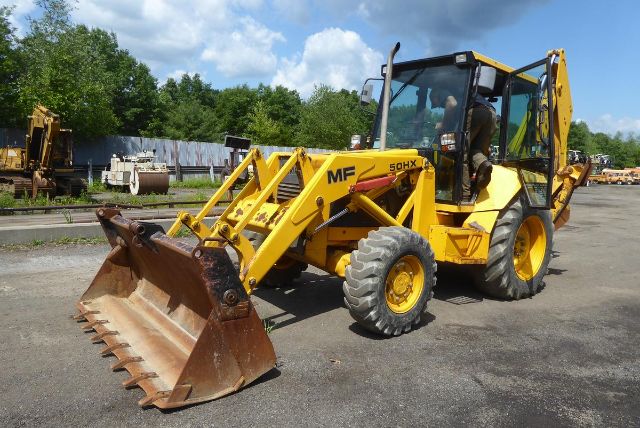
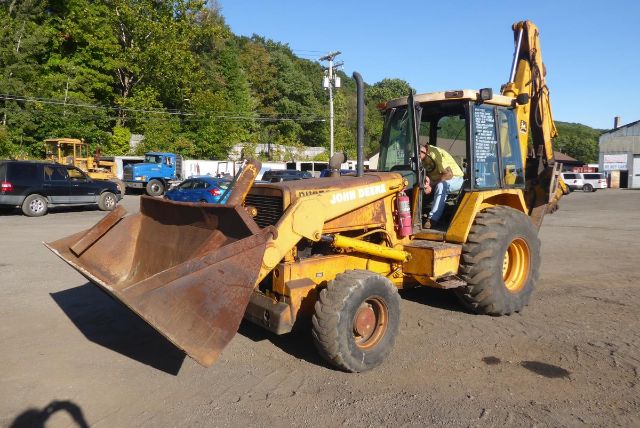
Have backhoes trucking equipment to sell? List it here to reach thousands of buyers.
About Backhoes in New York
A practical buying decision starts with size and reach. Typical backhoes in this class range from roughly 14,000 to 24,000 pounds, with engine output often running from the 70 to 100 horsepower range or higher on larger units. Dig depth, boom geometry, and dipper stick length matter more than advertised horsepower if trench work is the primary job. Features such as Extend-A-Hoe, auxiliary hydraulics, 4-in-1 front buckets, and pilot or stick controls can make a major difference in productivity. Tire size, axle configuration, and ground clearance also matter on mixed terrain, especially for contractors moving between paved streets, muddy jobsites, and seasonal conditions common across New York.
Condition is critical on used backhoes because wear shows up in the pins, bushings, cylinders, loader arms, and swing components long before paint tells the full story. Hydraulic seepage may be manageable, but consistent cylinder leakage, loose boom pivots, and excessive play in the hoe linkage can turn into costly downtime. Buyers should also look closely at transmission operation, brake response, steering performance, front bucket cutting edge wear, and the condition of the rear bucket teeth. Enclosed cabs, heat, and working air conditioning add real value for year-round use, while ROPS configuration and visibility affect both operator comfort and safety.
Transport dimensions deserve attention before purchase. Many backhoes are road-movable between local jobs, but overall length, boom height, width, and shipping weight still determine trailer requirements, permit concerns, and hauling cost. A machine that fits the work but complicates transport can cut into margins fast. For buyers comparing backhoes for sale, the best machine is usually the one matched to trench depth, loader lift needs, travel conditions, and maintenance history rather than simply the newest unit or the one with the highest horsepower rating.
Frequently Asked Questions
What should I look at first when buying a used backhoe?
Start with the hydraulic system, pin and bushing wear, transmission performance, and overall structural tightness. A used backhoe can still be productive with cosmetic wear, but excessive play in the loader or hoe linkage, leaking cylinders, weak hydraulics, or a slipping transmission usually signals higher repair cost. Hour meter readings help, but service history, cold-start behavior, and how the machine functions under load are often more important than hours alone.
Is 4WD worth it on a backhoe?
For many buyers, 4WD is worth the premium because it improves traction in mud, loose fill, snow, and uneven jobsites. It also helps when pushing into a pile with the loader bucket or climbing out of excavated areas. On paved or lighter-duty applications, a 2WD machine can still be a cost-effective option, but 4WD is generally the better fit for utility work, rural properties, and year-round operation in New York conditions.
How important is Extend-A-Hoe on a backhoe loader?
Extend-A-Hoe increases rear digging reach and can reduce repositioning during trenching and pipe work. That extra reach is useful for deeper excavations, loading spoil farther from the trench, and working around obstacles. It adds complexity and some additional wear points, so buyers should inspect the extension mechanism and related hydraulics carefully, but for many excavation-focused applications it is a valuable productivity feature.
What size backhoe is best for general contractor work?
A mid-size backhoe is often the best fit for general contractor work because it balances transportability, loader capacity, and digging performance. Machines in the approximate 14,000 to 18,000 pound range are common for mixed-use jobs such as trenching, light demolition, material handling, and site cleanup. Larger machines offer more breakout force and reach, but they can be less convenient to haul and maneuver on tighter urban or residential jobsites.
Are transport dimensions a major concern with backhoes?
Yes. Transport size and weight directly affect trailer selection, legal hauling requirements, and job-to-job efficiency. Width, overall length, boom height, and operating weight should all be checked before purchase. A backhoe that is easy to move can be more profitable than a larger machine that requires heavier hauling equipment or creates delays when moving between jobs.