
John Deere Backhoes For Sale in New York
Shop John Deere backhoes for sale in New York. Compare 2WD and 4WD models, dig depth, loader capacity, hydraulics, and operator features.
Learn more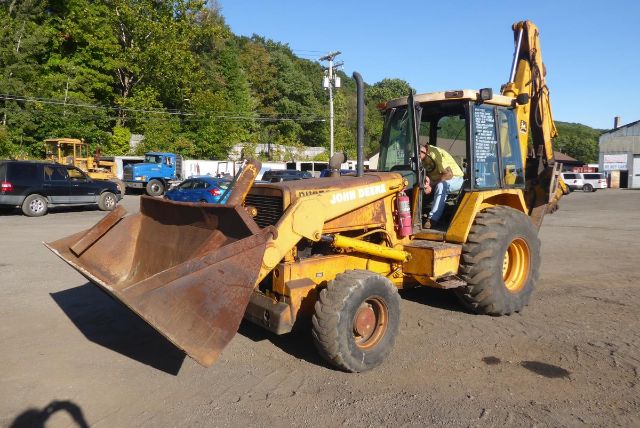
Have john deere backhoes trucking equipment to sell? List it here to reach thousands of buyers.
About John Deere Backhoes in New York
One of the biggest buying decisions is sizing. A larger-frame John Deere backhoe like a 710 is built for heavier excavation, deeper trenching, and more loader work, but it also brings more operating weight and transport considerations. Mid-size machines are often easier to move between sites and may be a better fit for residential construction, septic work, snow-related municipal work, and tighter access jobs. Digging depth, reach from swing pivot, bucket breakout force, and loader bucket width all affect production. Features such as Extend-A-Hoe, pilot controls, auxiliary hydraulics, quick couplers, and enclosed cabs can make a major difference in both productivity and resale value, especially in a market where year-round use includes cold-weather starts and winter road travel.
Condition matters more than age on a used backhoe. Buyers should pay close attention to boom, dipper, and loader arm pin and bushing wear, center pivot play, cylinder seepage, transmission engagement, brake response, and axle condition on 4WD units. Tire size and remaining tread matter because replacement cost is significant, and mismatched tires can affect driveline performance. On John Deere backhoes, a smooth-running diesel engine and responsive hydraulics are usually more important than cosmetic appearance. If the machine will spend time on road moves between jobs, check steering feel, powershift operation, lighting, and cab glass. In colder parts of New York, cab heat, block heater setup, and overall starting performance deserve extra attention.
A John Deere backhoe can fit a wide range of trucking and equipment operations because it handles site prep, drainage, culvert work, foundation digging, debris loading, and roadside maintenance with one power unit. The best value usually comes from matching the machine to the work instead of simply buying the biggest model available. For many buyers, that means comparing horsepower, transport weight, bucket setup, 4WD capability, and service history first, then looking at comfort items like enclosed ROPS, air conditioning, and control pattern preference. A well-maintained Deere backhoe remains a practical machine for fleets that need dependable digging and loading capability without stepping up to multiple specialized units.
Frequently Asked Questions
What should I look for first when buying a used John Deere backhoe?
Start with the structural and hydraulic condition. Check for play in the boom, dipper, loader linkage, and center pivot, and inspect hydraulic cylinders for leaks or seepage. Confirm that the transmission engages cleanly in all gears, the brakes respond properly, and the engine starts well cold and hot. On John Deere backhoes, service history, pin and bushing wear, and overall hydraulic response usually tell you more about the machine than paint or hour meter appearance alone.
Is a 4WD John Deere backhoe worth it in New York?
For many New York buyers, 4WD is worth the premium because it improves traction on soft jobsites, gravel, snow, mud, and uneven ground. It also helps loader performance when pushing into piles or carrying material on rough terrain. A 2WD machine can still work well on firm, level ground and may cost less upfront, but 4WD is often the better fit for municipal work, utility work, winter use, and jobs where site conditions change with the season.
How do I choose between a mid-size John Deere backhoe and a larger model like a 710?
The choice comes down to production needs, access, and transport. A larger John Deere backhoe typically offers more digging depth, reach, and loader capacity, which helps on heavier excavation and commercial work. A mid-size machine is usually easier to haul, easier to maneuver on smaller sites, and often a better match for residential construction, farms, and general property maintenance. Compare operating weight, overall dimensions, dig depth, and bucket size against the type of work you do most often.
Are older John Deere backhoes still practical to own?
Yes, many older John Deere backhoes remain practical if they have been maintained properly. Deere has long had a strong presence in the backhoe market, so operators, technicians, and parts sources are generally easier to find than with some lesser-known brands. The key is avoiding machines with excessive structural wear, neglected hydraulics, or driveline issues that can quickly erase any purchase-price savings. A solid older unit can still be a productive machine for trenching, loading, and general construction support.
Which options add the most value on a John Deere backhoe?
Options that usually add the most real-world value are 4WD, Extend-A-Hoe, enclosed cab, heat, auxiliary hydraulics, and a quick coupler setup. These features improve jobsite versatility, operator comfort, and attachment compatibility. In colder states like New York, cab heat and dependable cold-weather starting can be especially important. Pilot controls and good tires are also meaningful value points because they affect daily usability and replacement cost.