
Paving & Compaction For Sale in New York
Shop paving and compaction equipment including vibratory rollers and asphalt compactors with specs for drum width, operating weight, vibration, and use.
Learn moreBrowse Paving & Compaction Trucking Equipment by Make
Have paving & compaction trucking equipment to sell? List it here to reach thousands of buyers.
About Paving & Compaction in New York
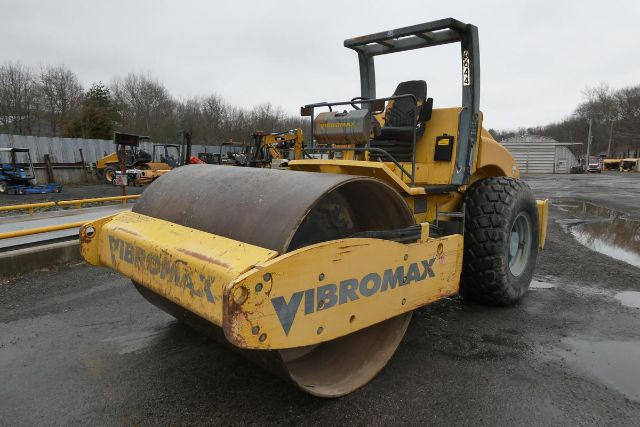
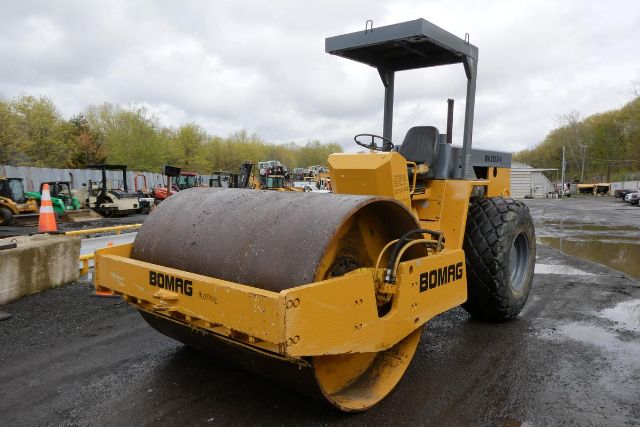
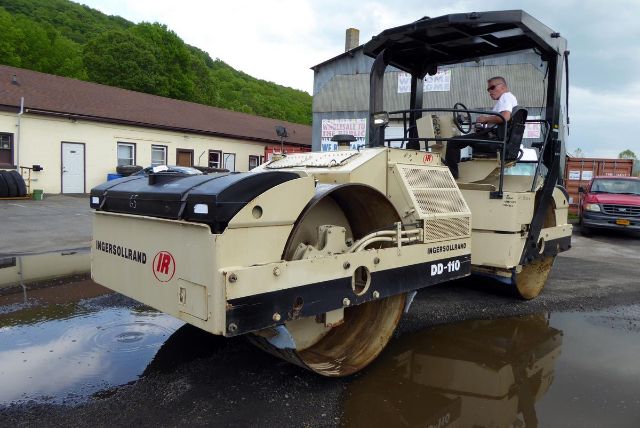
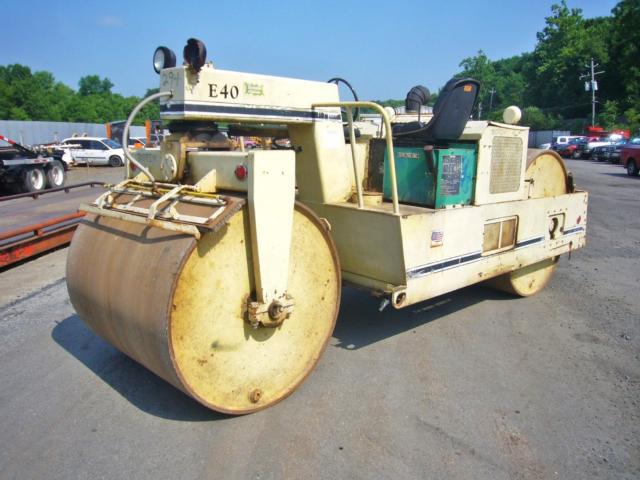
The core specs to compare are operating weight, drum width, vibration system, horsepower, and drum configuration. Many used rollers in this class run hydrostatic drive and diesel engines from Cummins, Deutz, John Deere, or similar industrial platforms. Drum widths commonly fall in the 50-inch to 84-inch range, with operating weights often around 19,000 to 25,000 pounds for mid-size machines. On a compactor, weight and amplitude affect how well the machine performs in lift thickness and tougher material conditions. On an asphalt roller, buyers should pay close attention to water spray systems, drum condition, and whether vibration can be run on the front drum, rear drum, or both. Those details directly affect mat quality, drum pickup, and production speed.
Used paving and compaction equipment needs a closer inspection than many buyers expect because a machine can drive well but still have expensive issues in the vibration circuit or drum assembly. Common checkpoints include drum shell wear, bearing noise, exciter performance, hydrostatic travel response, steering articulation, center joint play, leaks at drum motors, and slop in pins and bushings. On asphalt rollers, verify that the water tank, pumps, spray bars, and nozzles all function correctly. On soil compactors, check whether the machine has the right drum style for the job and look for evidence of cracked mounts, broken shafts, or weak vibration under load. Hour meters on older compactors are not always reliable, so overall mechanical condition and service history usually tell a more accurate story than the meter alone.
For buyers in New York, transport dimensions, seasonal use, and job mix should shape the decision. A narrower tandem roller can be easier to move and better suited to municipal patching, small paving crews, and tighter urban work zones. A heavier single-drum vibratory roller may be the better fit for site development, utility trenches, rural road prep, and foundation work where compaction depth matters more than finish. Open ROPS machines are common in older used fleets, but operator environment, visibility, and parts support should still be considered before purchase. The best paving and compaction machine is the one sized correctly for the lift, material, and daily production target, with a vibration system and drum package that still has dependable life left in it.
Frequently Asked Questions
What is the difference between a single-drum roller and a double-drum roller?
A single-drum roller is generally used for soil, gravel, and base compaction, especially when deeper compactive effort is needed. These machines typically have one large front drum and rear rubber tires, and they are common on site prep and road base work. A double-drum roller, also called a tandem roller, is usually used on asphalt because it delivers smooth finish compaction across the full drum width. The right choice depends on the material being compacted and whether the job calls for depth of compaction or surface finish quality.
What specs matter most when buying used paving and compaction equipment?
The most important specs are operating weight, drum width, vibration capability, drum type, and overall machine condition. Operating weight and amplitude influence compaction performance, while drum width affects coverage and productivity. Buyers should also verify engine horsepower, hydrostatic drive performance, transport dimensions, and whether the machine has functional water spray components if it will be used on asphalt. On older rollers, a clean and fully working vibration system can matter more than the hour meter reading.
How do I know if a used vibratory roller has drum or vibration problems?
Start by checking whether vibration engages smoothly and whether the machine maintains consistent performance under load. Listen for bearing noise, look for oil seepage around drum components, and inspect the drum shell for visible wear, flat spots, or weld repairs. Excessive vibration in the operator station, weak exciter response, or a machine that drives normally but does not compact well can point to internal drum issues. Repairs to exciter shafts, bearings, and drum assemblies can be costly, so these systems deserve close attention during inspection.
Are open ROPS compactors still practical for contractor use?
Open ROPS compactors are still common in older fleets and can be practical for seasonal or lower-hour use, especially in moderate weather. They are simple, lighter on electronic features, and often easier to service. The tradeoff is reduced operator comfort and less protection from cold, rain, and dust, which can matter on long paving days or in variable New York conditions. Buyers should weigh purchase price against productivity, operator retention, and the type of jobs the machine will handle.
What type of compactor is best for asphalt paving work?
For most asphalt paving applications, a double-drum vibratory roller is the preferred machine because it provides even compaction and a smoother finished surface. Key features include reliable vibration settings, functional water spray bars, clean drum surfaces, and a width that matches the paving crew's production needs. Smaller tandem rollers fit patching, driveways, and municipal work, while heavier units are better for wider lanes and higher production paving. The best asphalt compactor is one that matches mat width, mix type, and target density without damaging the surface.