
Vibromax Paving & Compaction For Sale in New York
Browse Vibromax paving and compaction equipment for sale, including soil rollers and compactors built for site prep, roadwork, and asphalt support.
Learn more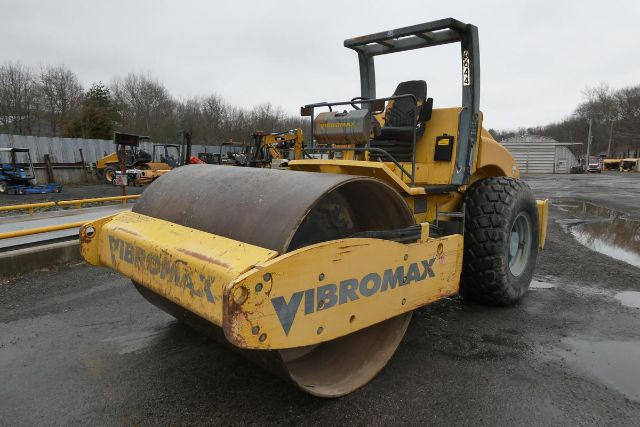
Have vibromax paving & compaction trucking equipment to sell? List it here to reach thousands of buyers.
About Vibromax Paving & Compaction in New York
A buyer should start with operating weight, drum width, vibration system, and engine package. Mid-size padfoot and smooth drum units in the Vibromax line are commonly chosen for municipal street work, small to mid-size commercial site prep, and highway shoulder or patch support where maneuverability matters. Hydrostatic drive is common in this class, and a 2-speed setup is typical for balancing jobsite control with travel efficiency. Pay attention to whether the machine has single or dual amplitude settings, centrifugal force ratings, and drum shell condition, since compaction output depends as much on vibration performance and drum integrity as it does on engine horsepower.
For New York contractors, machine width, transport weight, and cold-weather starting behavior can matter as much as production specs. A roller that stays under common lowboy and permit thresholds can simplify moves between borough, county, and upstate jobs. Open ROPS units are still common on older machines, but buyers should consider operator environment, visibility, and safety compliance based on the application. On used Vibromax compactors, inspect articulation center wear, hydrostatic response, drum bearings, scraper bars, water or spray systems if equipped, and any signs of vibration motor or exciter housing issues. Hour meters on older compactors do not always tell the full story, so maintenance records and actual operating condition deserve close attention.
Vibromax paving and compaction equipment fits buyers looking for a practical roller for dirt work, base prep, and support around asphalt operations without stepping into a larger high-production compactor than the job requires. Common decision points include smooth drum versus padfoot configuration, drum width for lane or trench-related work, and overall machine size relative to trailer capacity and crew needs. For many fleets, the right unit is the one that delivers consistent density, predictable service access, and enough weight and vibration force to match the material being compacted.
Frequently Asked Questions
What types of Vibromax paving and compaction equipment are most common on the used market?
The most common Vibromax machines in this category are vibratory soil compactors and single-drum rollers. These units are typically used for compacting subgrade, gravel, crushed stone, embankments, and general site fill before paving or concrete work. Depending on the setup, buyers may see smooth drum configurations for granular material or padfoot-style drums for cohesive soils such as clay and wet fill.
What should I check first on a used Vibromax roller?
Start with the vibration system, hydrostatic drive performance, articulation joint, and drum condition. A compactor can run and move normally but still have weak vibration output, drum shell wear, or expensive exciter-related issues. Also inspect engine starting, steering response, tire condition on the rear axle, brake holding ability on grades, and evidence of regular fluid and filter service. On older units, actual condition and maintenance history are often more important than the hour meter alone.
Is a smooth drum or padfoot Vibromax compactor better for my work?
A smooth drum roller is generally the better fit for granular soils, aggregate base, and finish passes on prepared surfaces. A padfoot compactor is better suited to cohesive materials that need kneading action to achieve density, such as clay or certain trench and fill applications. The right choice depends on the material profile of the jobs you run most often. Some fleets prioritize a smooth drum for versatility, while dedicated earthwork crews may prefer padfoot units for higher efficiency in difficult soils.
How important are machine weight and drum width when buying a Vibromax compactor?
Machine weight and drum width are two of the most important buying factors because they directly affect compaction coverage, transport logistics, and jobsite suitability. Heavier machines generally deliver better penetration and density on deeper lifts, while a wider drum can improve productivity on open jobsites. Smaller or mid-size units are often easier to move, easier to use on confined sites, and better matched to municipal or utility-related work where access is limited.
Are older Vibromax compactors still practical for contractors and municipalities?
Yes, many older Vibromax compactors remain practical when they have solid vibration performance, good hydraulic function, and no major structural or drum issues. Their appeal often comes from simpler mechanical systems and lower acquisition cost compared with newer machines. They can be a strong fit for municipalities, small contractors, and property development crews that need reliable compaction capability without the cost of a late-model roller.