
Ferguson Paving & Compaction For Sale in New York
Browse Ferguson paving and compaction equipment for sale, including rollers and compactors built for asphalt work, patching, and site prep.
Learn more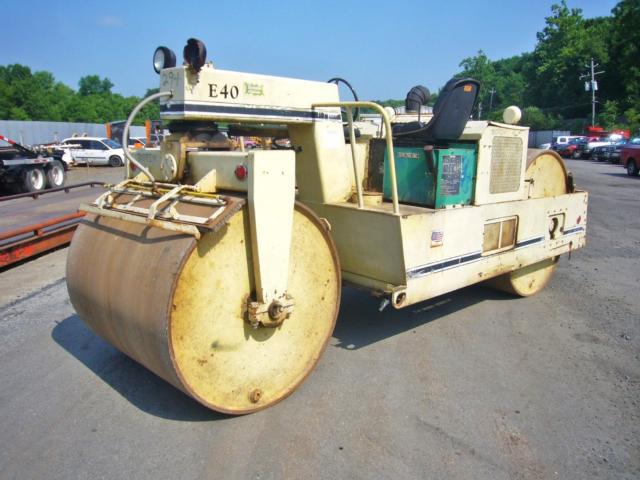
Have ferguson paving & compaction trucking equipment to sell? List it here to reach thousands of buyers.
About Ferguson Paving & Compaction in New York
A key buying point in this class is drum size, operating weight, and the type of drive system. Machines in the Ferguson paving and compaction category may use hydrostatic drive and diesel power, often with proven mechanical engines that are easier to diagnose in the field. Buyers should pay close attention to drum width, drum diameter, vibration function, water spray setup, articulation, and overall machine weight, since those specs directly affect mat finish, compaction performance, transport planning, and suitability for patch versus production paving. For small to mid-size asphalt crews, a narrower roller can be a good fit where maneuverability matters more than high daily output.
Condition matters as much as specification on used compaction equipment. Drum shell wear, edge damage, steering response, hydrostatic performance, vibration engagement, water system operation, and signs of frame or articulation joint wear should all be checked closely. Hour meter readings can help, but maintenance history, cold-start behavior, and visible leaks often tell more about remaining service life than hours alone. On older units, buyers should also confirm parts support for engine, hydraulic, and vibration components, along with transport dimensions such as overall length, width, height, and operating weight to make sure the machine fits trailer capacity and routing limits.
For New York contractors, municipal departments, and paving crews working tighter streets or smaller commercial jobs, Ferguson paving and compaction equipment can make sense as a practical niche machine. It is often a category where buyers prioritize usable drum condition, clean hydraulic function, and predictable operation over newer electronics or premium cab features. If the machine tracks straight, builds heat and compaction properly, and has a solid mechanical foundation, a Ferguson roller can still be a productive asset for asphalt repair, finish rolling, and general compaction support.
Frequently Asked Questions
What should I inspect first on a used Ferguson paving or compaction machine?
Start with the drums, hydrostatic drive, and vibration system. Drum shell wear, flat spots, edge chipping, and poor scraper or spray bar condition can affect compaction quality and surface finish. After that, check steering articulation, hydraulic leaks, brake function, and engine cold-start performance. On older Ferguson units, overall mechanical condition usually matters more than cosmetic appearance or hour meter reading alone.
Are older Ferguson rollers still practical for paving crews?
Yes, many older Ferguson rollers remain practical for patching, parking lot work, shoulder repair, and smaller asphalt jobs if they are mechanically sound. Their appeal is usually simple design, basic diesel power, and serviceable hydraulic systems rather than modern electronics or high-production features. The machine needs to be evaluated on drum condition, vibration performance, parts availability, and how well it fits the crew's daily job size.
Which specs matter most when comparing Ferguson compaction equipment?
Operating weight, drum width, drum diameter, vibration capability, machine width, and overall transport dimensions are the main specifications to compare. Weight and vibration affect compaction force and material response, while drum width and machine size determine how efficiently the roller can work in tight spaces or on wider mats. Buyers should also verify engine type, hydrostatic transmission condition, and whether the water spray system is complete and functional for asphalt applications.
Is Ferguson paving and compaction equipment better suited for small jobs or production paving?
Most used Ferguson paving and compaction machines seen on the market are better aligned with small to mid-size work rather than high-output highway paving. They are commonly a good fit for municipal repair, commercial lots, trench patching, driveways, and support work around larger paving spreads. Production suitability depends on drum width, weight class, and vibration performance, but buyers generally choose these machines for maneuverability and value.