
Skid Steer Loaders For Sale in New York
Browse skid steer loaders for sale in New York. Compare lift capacity, hydraulic flow, cab options, tires or tracks, and attachment versatility.
Learn moreBrowse Skid Steer Loaders Trucking Equipment by Make
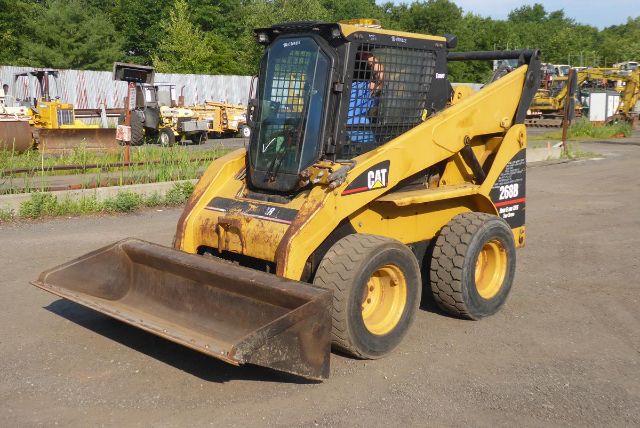
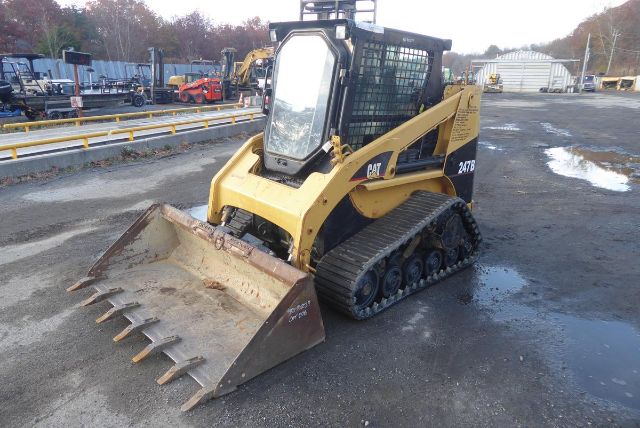
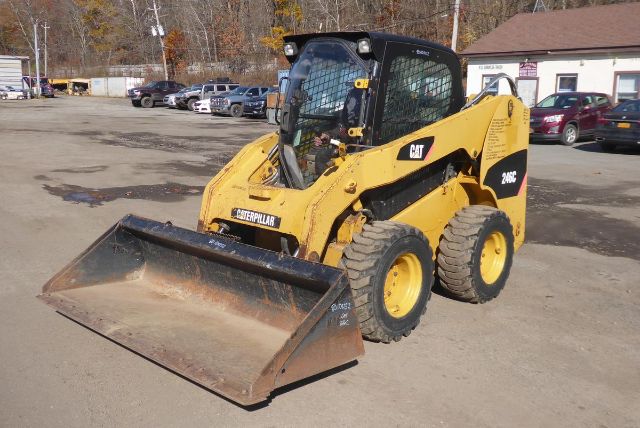
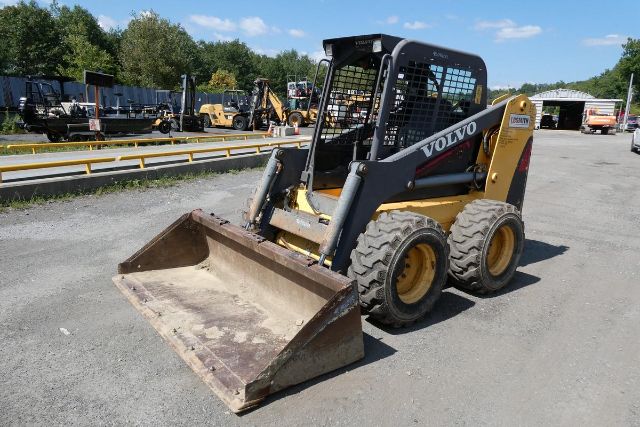
Have skid steer loaders trucking equipment to sell? List it here to reach thousands of buyers.
About Skid Steer Loaders in New York
In New York, traction and seasonal conditions matter. Wheeled skid steers are common for pavement, yard work, and hard surfaces where speed and simpler maintenance are priorities. Track models, often called compact track loaders, offer better flotation and grip in mud, soft fill, and winter conditions, but undercarriage wear and replacement cost need to be watched closely. Tire size, tread condition, air-filled versus foam-filled setups, and the condition of rollers, sprockets, and tracks can change ownership cost quickly. If the machine will be used for snow removal, milling support, or attachment-heavy work, auxiliary hydraulics and high-flow hydraulics are especially important because they expand compatibility with cold planers, snow blowers, brush cutters, trenchers, and other power-hungry attachments.
Cab configuration is another major buying decision. Open cab machines can be simpler and less expensive, while enclosed cabs with heat and air conditioning are more practical for year-round Northeast use. Quick-attach style matters less than attachment support and coupler condition, but buyers should still inspect the bucket linkage, pins, bushings, cylinder seals, and loader arm alignment carefully. Excess play at the bucket, leaking cylinders, bent boom arms, and uneven bucket sit are all signs that a machine may have seen hard use. Hour meter readings help, but service history, cold-start behavior, hydrostatic response, chain case condition, and how the loader tracks under load usually tell more about the machine than hours alone.
A good skid steer loader should match the attachment package and transport plan as much as the base machine. Width can be critical for tight urban jobsites, barn access, or landscaping gates, while lift height and breakout force matter more for loading high-sided trucks, feeding hoppers, or moving dense aggregate. Standard-flow machines handle buckets, forks, and many general-purpose tools well. High-flow units make more sense when hydraulic attachments are central to the job. For buyers comparing used skid steer loaders, the smartest approach is to balance size, hydraulic capability, undercarriage or tire condition, and cab features against the actual work cycle instead of simply chasing the lowest hours or the biggest horsepower number.
Frequently Asked Questions
What is the most important spec to compare on a skid steer loader?
Rated operating capacity is one of the most important specs because it affects how much the machine can safely lift and carry in daily use. It should be considered alongside tipping load, operating weight, hinge pin height, and bucket breakout force. A loader with enough capacity but limited lift height may not load trucks efficiently, while a machine with strong lift numbers but insufficient hydraulic flow may not run the attachments the job requires.
Should I choose a wheeled skid steer or a track machine?
A wheeled skid steer is usually the better fit for hard surfaces, faster travel, and lower undercarriage maintenance cost. A track machine, also called a compact track loader, generally performs better in mud, loose fill, snow, and other soft ground conditions because it spreads weight over a larger footprint. The tradeoff is higher undercarriage wear cost and more components to inspect, including tracks, rollers, idlers, and sprockets.
How important are auxiliary hydraulics and high-flow hydraulics?
Auxiliary hydraulics are essential if the loader will run powered attachments such as augers, trenchers, grapples, snow blowers, or brush cutters. High-flow hydraulics matter when those attachments demand more oil volume and pressure than a standard-flow machine can provide. If the machine will mainly carry a bucket or pallet forks, standard auxiliary hydraulics may be enough. If attachment use drives revenue, hydraulic capacity should be treated as a core buying spec, not an option.
What should I inspect on a used skid steer loader before buying?
Focus on the wear points that reveal how the machine was used. Check pins and bushings for excessive play, inspect bucket linkage and coupler fit, look for leaks at lift and tilt cylinders, and confirm the boom arms are straight and the bucket sits level. Test hydrostatic drive response, listen for abnormal noise in the drivetrain, and verify the machine tracks straight under load. On enclosed cab units, make sure heat, air conditioning, gauges, and safety systems operate correctly.
Are enclosed cab skid steers worth it in New York?
For many New York buyers, an enclosed cab is worth the added cost because it improves operator comfort and productivity in cold weather, rain, and snow. Heat is especially useful for winter snow operations and year-round site work, while air conditioning helps during summer paving, landscaping, and municipal use. Open cab machines can still make sense for lighter seasonal work or buyers focused on lower purchase price and simpler upkeep.