
Trailers For Sale Near Windsor Locks, Connecticut
Have trailer to sell? List it here to reach thousands of buyers.
Trailers Near Windsor Locks, Connecticut
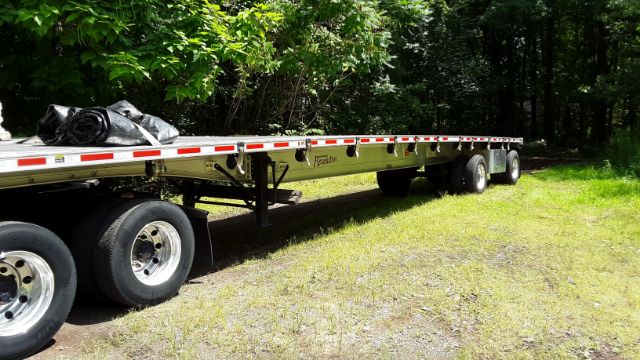
Specs matter because trailer performance is tied directly to legal payload, maintenance cost, and lane flexibility. Common checkpoints include overall length, width, tandem or spread axle configuration, air ride or spring suspension, brake type, wheel-end condition, tire size, and kingpin setting. On flatbeds, buyers usually look closely at aluminum versus steel construction, crossmember spacing, winch tracks, coil package setup, floor type, and the condition of the rub rail and stake pockets. On vans and reefers, door seal condition, floor wear, logistics posts, scuff liners, and roof integrity are more important. For heavier applications like detachable goosenecks or lowboys, deck capacity, loaded deck height, neck style, and axle grouping drive permit requirements and equipment compatibility.
Used trailer buyers should pay close attention to structural condition before comparing cosmetic appearance. Frame cracks, previous weld repairs, uneven tire wear, air system leaks, brake stroke issues, and suspension wear can turn a low purchase price into a costly trailer. Corrosion is another major factor in the Northeast, especially around crossmembers, rear sills, slider boxes, and electrical connections exposed to winter road treatment. It also makes sense to review title status, VIN plate legibility, lighting function, and signs of concentrated load abuse. A trailer with clean alignment, consistent brake wear, straight rails, and a documented maintenance history usually has more long-term value than one with fresh paint and limited service records.
The right trailer is the one that fits the freight without adding unnecessary tare weight, loading delays, or compliance issues. A regional hauler may prioritize maneuverability, dock access, and fast turnaround, while an over-the-road operation may focus on durability, parts support, and fuel-saving specifications like low rolling resistance tires or tire inflation systems. Specialty details such as sliding winches, lift axles, toolboxes, dump valves, aluminum wheels, and LED lighting can also affect uptime and resale. Buyers comparing trailers in this category should start with freight type, gross weight targets, and loading environment, then narrow down by construction, axle setup, and component condition.
Frequently Asked Questions about Trailers Near Windsor Locks, Connecticut
What type of trailer should I choose for my freight?
The correct trailer depends on how the freight is loaded, how it must be protected, and how much it weighs. Flatbeds are used for machinery, steel, lumber, and other cargo that can be secured on an open deck. Dry vans are better for palletized freight that needs weather protection and dock loading. Reefers handle temperature-sensitive freight, while dump trailers are suited to bulk materials like stone, scrap, or debris. Lowboys, detachable goosenecks, and equipment trailers are used when deck height and heavy-haul capacity matter.
What are the most important things to inspect on a used trailer?
The highest-value inspection points are structural integrity, suspension condition, brakes, tires, and signs of prior overload damage. Buyers should look for cracked welds, bent crossmembers, rail damage, air leaks, uneven tire wear, poor alignment, and corrosion around the rear frame and running gear. Lighting, wiring, wheel seals, and floor condition also affect immediate repair cost. On enclosed trailers, roof leaks, door frame wear, and floor rot can be just as important as the axle and brake components.
Is an aluminum trailer better than a steel trailer?
Aluminum trailers usually offer lower tare weight, which can increase payload and improve fuel efficiency in weight-sensitive operations. Steel trailers generally cost less to purchase and may be preferred in severe-duty applications where impact resistance and repair familiarity are priorities. The better choice depends on cargo type, annual miles, corrosion exposure, and how closely gross payload matters to the operation. Buyers should compare frame design and actual condition, not just material type alone.
What axle configuration should I look for in a trailer?
Axle configuration affects weight distribution, maneuverability, tire wear, and bridge law compliance. Tandem axles are common across many trailer types and are often preferred for general freight. Spread axles can help with weight distribution and may remove the need for a sliding tandem in some applications, but they can increase tire scrub in tight turns. Heavy-haul and specialty trailers may use tridem or additional axle groups to carry concentrated loads and meet state permit requirements.
How much does suspension type matter on a trailer?
Suspension type has a direct effect on ride quality, cargo protection, and maintenance cost. Air ride suspension is common on highway trailers because it helps reduce shock transfer to freight and can improve overall ride stability. Spring suspension is simpler and may be used in more rugged applications, but it generally transfers more road impact into the trailer and cargo. Buyers hauling fragile products, machinery, or high-value loads usually place a premium on a well-maintained air ride setup.