
Trailers For Sale Near Winamac, Indiana
Have trailer to sell? List it here to reach thousands of buyers.
Trailers Near Winamac, Indiana
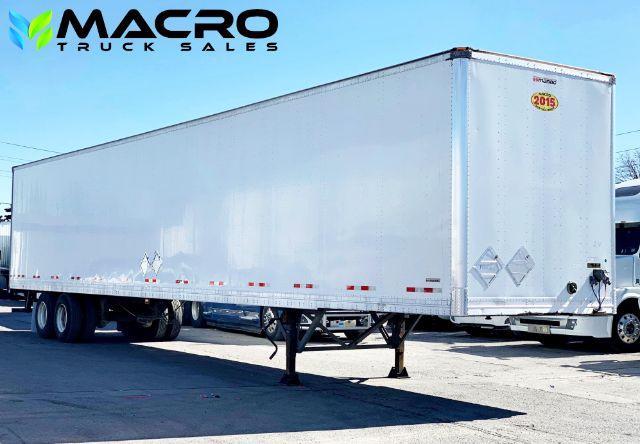
For van trailers, buyers should look closely at inside width and height, rear door opening dimensions, floor rating, logistics post layout, and the condition of the scuff liner and roof bows. Swing doors are still common, while roll-up doors can be useful in some route applications but reduce interior cube and add maintenance points. Suspension type matters too. Air ride is often preferred for fragile or higher-value freight, while spring ride may be acceptable for tougher commodity loads. Trailer age matters less than maintenance history and structural integrity, especially on used freight trailers that have spent years in dock service, regional distribution, or cross-border lanes.
Spec decisions should match the freight and the operating area. Indiana fleets often balance highway miles, local yard conditions, and seasonal weather when choosing tires, brakes, and suspension. Aluminum wheels can reduce weight, while steel wheels may lower replacement cost. Buyers comparing axle spreads, slider tandems, and overall tare weight should also think about bridge law compliance, payload targets, and loading flexibility. On any trailer, lighting, ABS function, air system condition, and DOT-ready brake components should be treated as operating essentials, not small details.
The best trailer purchase is usually the one with the right configuration for the work, not just the newest model year. A dry van for palletized freight has different priorities than a flatbed for machinery or a hopper for grain. In this category, common decision points include trailer length, trailer height, door style, suspension, wheel material, tire and brake condition, and how well the unit has been maintained over time. Buyers who compare those details carefully can sort quickly through listings and focus on trailers that fit their lanes, freight, and maintenance budget.
Frequently Asked Questions about Trailers Near Winamac, Indiana
What should I inspect first when buying a used trailer?
Start with structural condition. Check the frame rails, crossmembers, floor, roof, rear frame, door hardware, suspension hangers, and landing gear for cracks, corrosion, poor repairs, or impact damage. After that, inspect wear items such as brakes, drums or rotors, tires, airbags or springs, wheel seals, lights, and ABS function. A trailer with average cosmetic wear can still be a strong buy if the structure is sound and the running gear has been maintained properly.
What length trailer is most common for general freight?
A 53-foot trailer is the standard choice for most over-the-road and regional general freight operations. It offers strong cubic capacity, broad shipper acceptance, and compatibility with standard dock loading. Shorter lengths still appear in specialized or local applications, but 53-foot vans and reefers dominate the general freight market because they maximize usable space while fitting established freight networks.
Is air ride better than spring ride on a trailer?
Air ride is often preferred when cargo protection matters because it delivers a smoother ride and can reduce shock transfer to the load. That makes it a common choice for consumer goods, packaged freight, and higher-value cargo. Spring ride can still be practical for tougher loads and cost-conscious operations, but it generally does not provide the same ride quality. The right choice depends on freight sensitivity, route conditions, and maintenance priorities.
How important are tires and brakes when comparing trailer listings?
Tires and brakes directly affect operating cost, uptime, and safety, so they should carry real weight in any comparison. Good rubber and healthy brake components can save substantial money immediately after purchase, especially on a used trailer. Buyers should check tread depth, tire age, casing condition, brake lining thickness, drum or rotor wear, air leaks, and signs of uneven wear that may point to alignment or suspension problems.
What features matter most on a dry van trailer?
For a dry van, focus on interior condition, floor strength, roof integrity, door seal quality, suspension type, and tandem slider operation. Buyers should also review inside dimensions, logistics posts, scuff liners, and signs of water intrusion or forklift damage. These details affect cargo protection, loading efficiency, and long-term maintenance cost far more than appearance alone.