
Trailers For Sale Near Wilmington, North Carolina
Have trailer to sell? List it here to reach thousands of buyers.
Trailers Near Wilmington, North Carolina
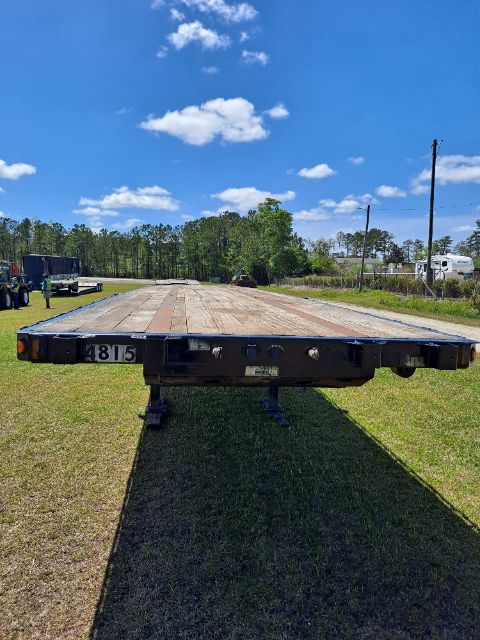
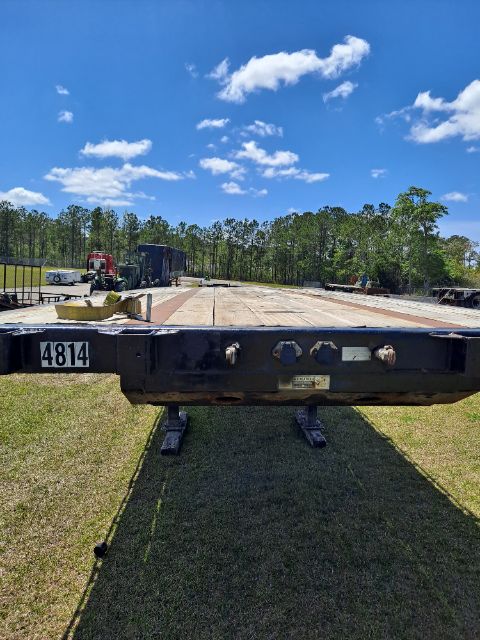
For flatbed work, deck condition and securement features matter as much as overall length. Wood floors are still popular because they offer good traction and are easier to repair in sections, while aluminum components can reduce tare weight and improve payload. Common spec points include trailer height, kingpin setting, sliding tandem range, rub rail strength, winch track layout, and the presence of toolboxes, coil package equipment, chain ties, or tire inflation systems. If the trailer will run port or short-haul lanes around coastal North Carolina, salt exposure and moisture make understructure inspection especially important. Surface rust is common on used trailers, but buyers should distinguish cosmetic oxidation from structural issues around the main beams, landing gear mounts, and suspension hangers.
Not every trailer buyer needs the same setup. A flatbed is ideal for top, side, and crane loading, but dry van, refrigerated, dump, lowboy, step deck, and equipment trailers serve very different jobs. Step decks, also known as drop deck trailers, are a better fit when freight height is the limiting factor. Lowboys are built for heavier machinery with lower deck height and concentrated load capacity. Dump and end dump trailers suit aggregate, demolition, and bulk material work. The best purchase usually comes down to freight profile, legal weight targets, loading method, and how often the trailer will be routed through tight urban areas, terminals, or job sites.
A good trailer purchase is less about model year alone and more about remaining service life. Maintenance records, recent brake work, suspension repairs, tire replacement history, and any welding or frame repair documentation can tell more than the age tag. Buyers should also verify VIN plates, federal inspection status, axle ratings, and current DOT compliance items before putting a trailer to work. When comparing listings, focus on usable payload, deck integrity, roadability, and compatibility with the tractor fleet already in operation.
Frequently Asked Questions about Trailers Near Wilmington, North Carolina
What should I inspect first on a used flatbed trailer?
Start with the frame, crossmembers, flooring, suspension, brakes, tires, and wheel ends. On a flatbed trailer, deck integrity and securement hardware are critical because freight is exposed and load placement varies from trip to trip. Inspect rub rails, stake pockets, winch tracks, landing gear, air lines, and lighting, and look closely for corrosion, cracked welds, bent members, or signs of overloading.
What length flatbed trailer is most common?
The most common flatbed lengths are 48 feet and 53 feet. A 48-foot flatbed is still widely used in regional and general freight applications and can be easier to match with older fleets or specific customer requirements. A 53-foot flatbed offers more deck space for longer freight, but legal loading, axle spacing, and state bridge rules still need to be considered.
Is a wood floor better than an aluminum floor on a flatbed trailer?
A wood floor is often preferred for traction, repairability, and lower replacement cost when individual boards wear out. Aluminum can reduce trailer weight, which may help payload, but floor choice should match the type of freight and loading equipment used. Buyers hauling machinery, steel, or construction materials often prioritize deck durability and ease of maintenance over small weight savings.
How important is corrosion on a trailer used near the coast?
Corrosion is a major buying factor in coastal markets such as Wilmington, where salt air and moisture can accelerate rust on frames, fasteners, brake components, wiring connections, and suspension parts. Some surface rust is normal on used trailers, but heavy scale, flaking metal, and rust concentrated around structural attachment points can signal reduced service life. A careful underbody inspection is especially important for trailers that have worked in marine, port, or coastal environments.
How do I choose the right trailer type for my operation?
Match the trailer to the freight, loading method, route, and weight profile. Flatbeds are best for open-deck freight that can be loaded from the top or side. Step decks are better for taller freight, lowboys for heavier equipment, dry vans for protected palletized cargo, and dump trailers for loose bulk materials. The right choice depends on what you haul most often, not just what appears versatile on paper.