
Trailers For Sale Near Wichita, Kansas
Have trailer to sell? List it here to reach thousands of buyers.
Trailers Near Wichita, Kansas
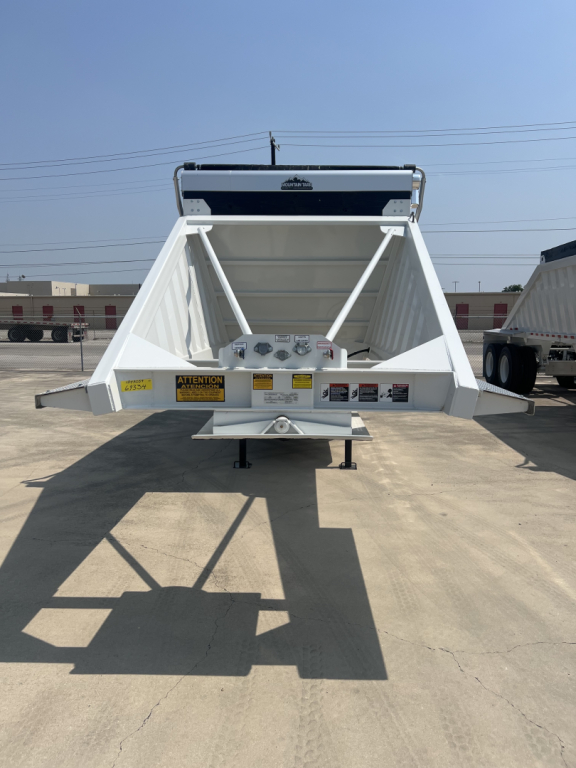
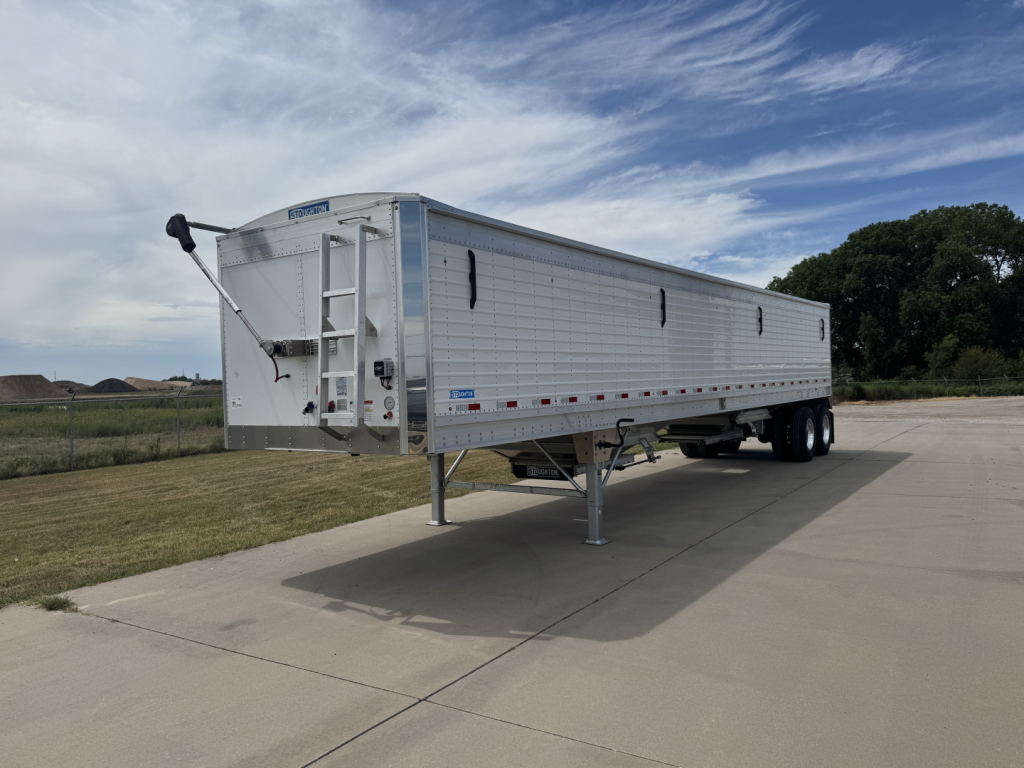
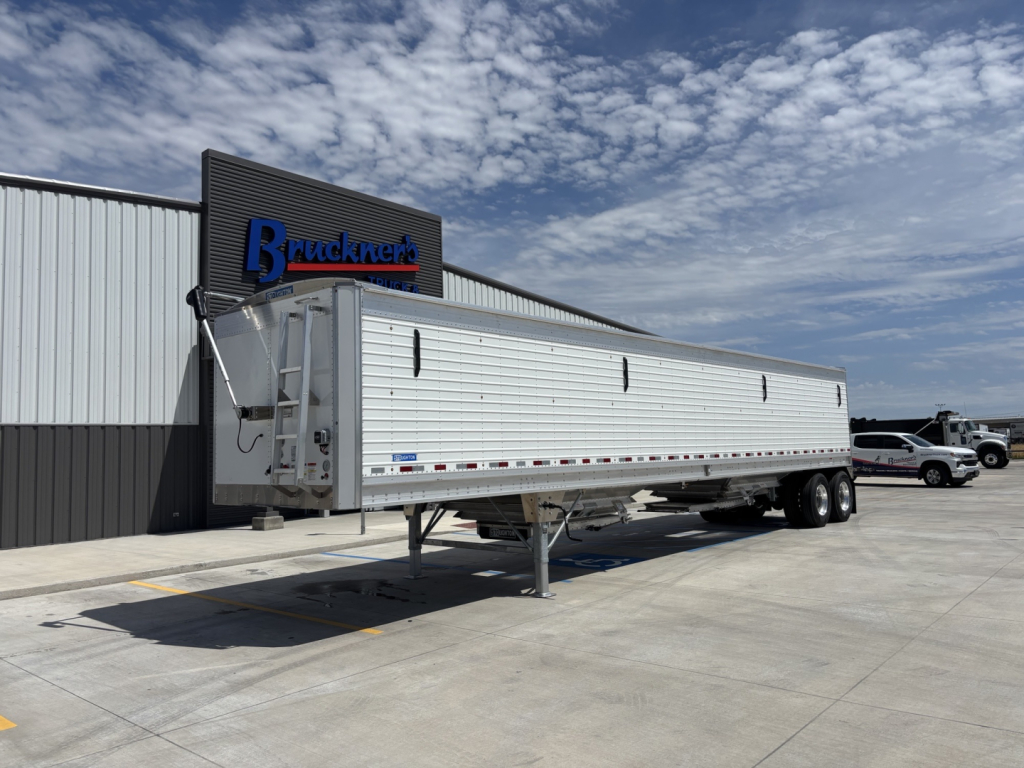
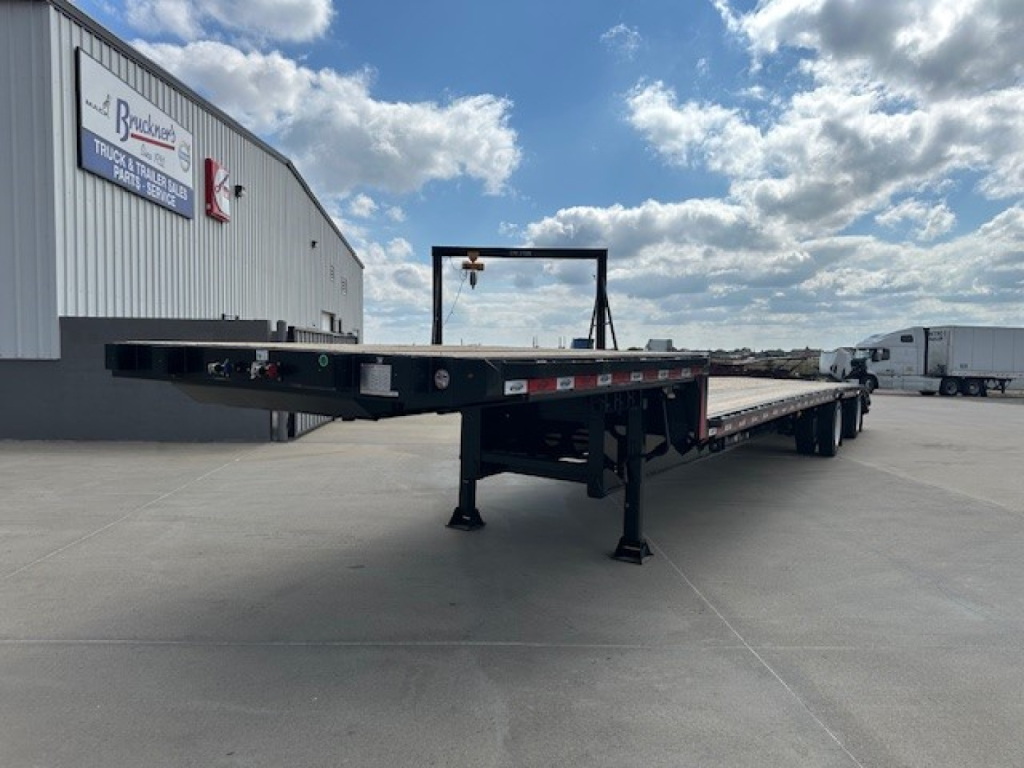
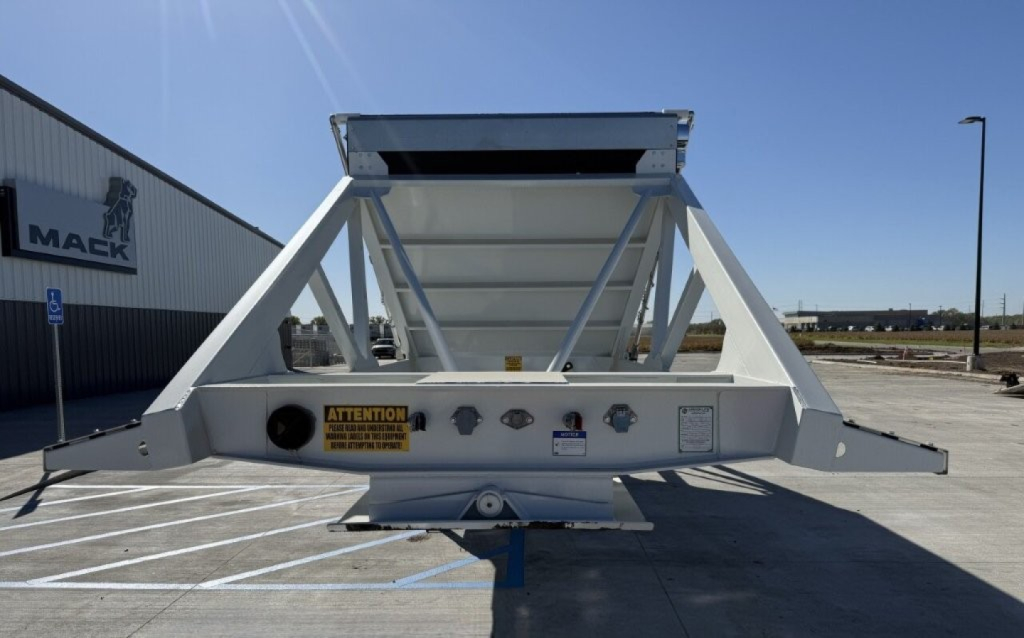
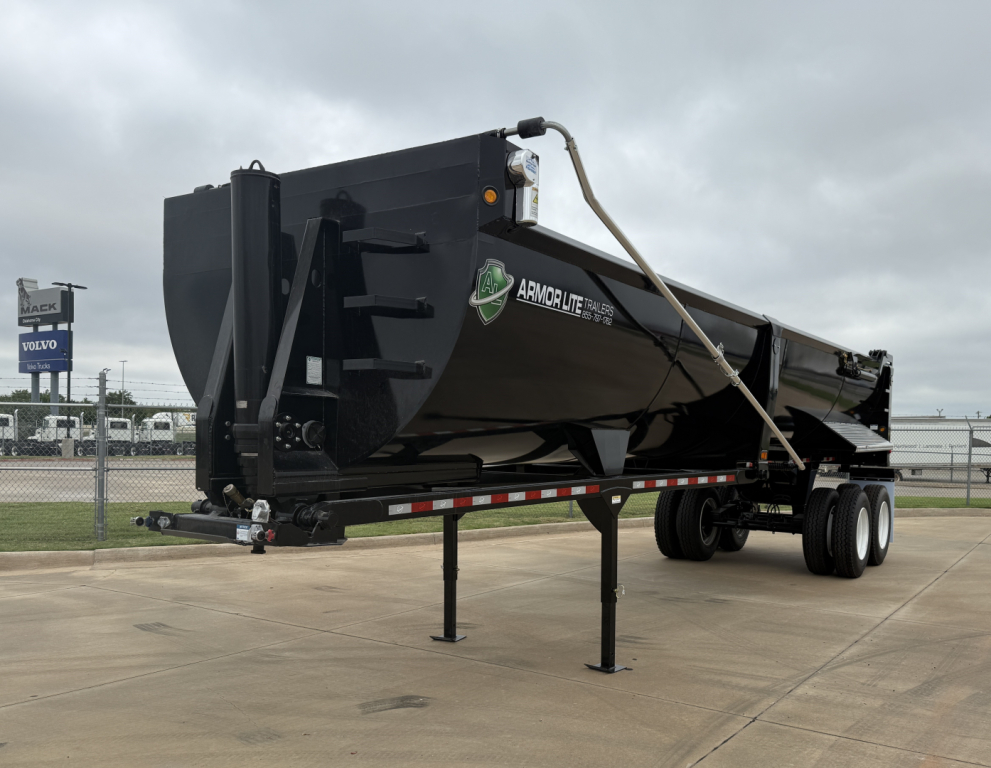
For dump trailers, flatbeds, and other work-focused configurations, the core buying decisions are usually material, suspension, and axle setup. Steel bodies are common where impact resistance matters, especially for rock, scrap, demolition debris, and dense aggregates. Aluminum trailers reduce tare weight and can improve payload for grain, fertilizer, palletized freight, and other applications where every pound counts. Tandem axle layouts are common, but spread axle and tri-axle configurations can help with bridge laws, maneuverability, or weight distribution depending on the route and state requirements. Suspension choices such as air ride, spring, and single point setups affect durability, ride quality, and maintenance cost. Buyers should also look closely at brake type, tire size, wheel spec, gate configuration, tarp systems, lighting, and trailer wiring compatibility.
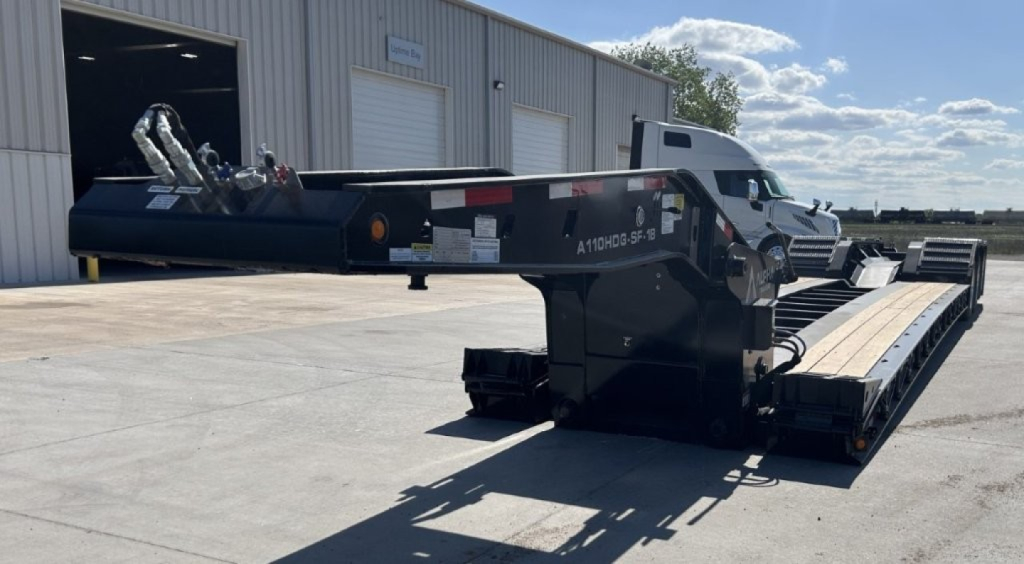
A good trailer spec also reflects local operating conditions. In Kansas, wind exposure, seasonal weather, rural road access, and agricultural or construction use can all influence the right setup. Grain and commodity haulers may prioritize lighter empty weight, corrosion resistance, and easy cleanout. Construction fleets may focus on thicker floors, heavy-duty crossmembers, reinforced sidewalls, high-lift gates, and chip-resistant tire packages. Equipment trailer buyers often compare deck length, load angle, beavertail design, ramp style, and concentrated load rating. Flatbed and step deck buyers tend to pay attention to deck height, winch track placement, coil package options, and apitong or metal flooring. Small spec differences can have a direct impact on cycle time, loading flexibility, and long-term repair cost.
Condition matters, but so does serviceability. A buyer comparing trailers should inspect frame integrity, signs of prior weld repair, suspension wear, bushing condition, brake adjustment history, tire wear pattern, floor condition, and any evidence of body twist or uneven axle alignment. On newer trailers, factory options such as electric tarp systems, self-shedding top rails, lift axles, tire inflation systems, aluminum wheels, scuff protection, and telematics-ready lighting can improve day-to-day usability. The best trailer is the one that matches freight, route, and maintenance discipline with the least compromise in payload, uptime, and resale value.
Frequently Asked Questions about Trailers Near Wichita, Kansas
What type of trailer is best for hauling heavy material versus maximizing payload?
Steel trailers are typically preferred for severe-duty applications such as rock, scrap, demolition debris, and abrasive aggregate because they handle impact and concentrated loading well. Aluminum trailers are usually chosen when payload matters more than impact resistance, such as grain, fertilizer, or general commodity hauling, because the lower tare weight allows more legal cargo. The best choice depends on what you haul every day, how you load it, and how rough the operating environment is.
How do tandem, spread axle, and tri-axle trailer configurations differ?
Tandem axle trailers are common because they balance cost, maneuverability, and service simplicity. Spread axle trailers can improve weight distribution and may help with bridge law compliance, but they usually scrub tires more in tight turns. Tri-axle trailers can support heavier legal payloads in some applications and jurisdictions, but they add maintenance points, weight, and complexity. The right axle layout depends on state regulations, route restrictions, and the type of freight being moved.
What should I inspect first when buying a used trailer?
Start with the frame, suspension, brakes, tires, and floor or tub. Look for cracked welds, corrosion around stress points, uneven ride height, bushing wear, brake drum or lining condition, and irregular tire wear that may indicate alignment problems. On dump trailers, inspect the hoist area, hinge points, gate seals, and body sidewalls. On flatbeds and equipment trailers, check crossmembers, deck condition, ramps, and securement points. Structural condition usually matters more than cosmetic appearance.
What trailer features reduce downtime in daily use?
Practical options often make a measurable difference in uptime and labor. Electric tarp systems, reliable gate controls, durable lighting, accessible grease points, quality suspension components, and properly matched tire and wheel packages can all reduce service interruptions. Buyers running high-cycle operations also look for features such as self-shedding top rails, corrosion-resistant materials, tire inflation systems, and heavy-duty fenders or liners because they cut cleanup time, prevent common damage, and simplify routine maintenance.