
Trailers For Sale Near Wichita Falls, Texas
Browse trailers for sale in Wichita Falls, Texas, including dump, flatbed, dry van, reefer, tank, lowboy, and specialty trailer types.
Have trailer to sell? List it here to reach thousands of buyers.
Trailers Near Wichita Falls, Texas
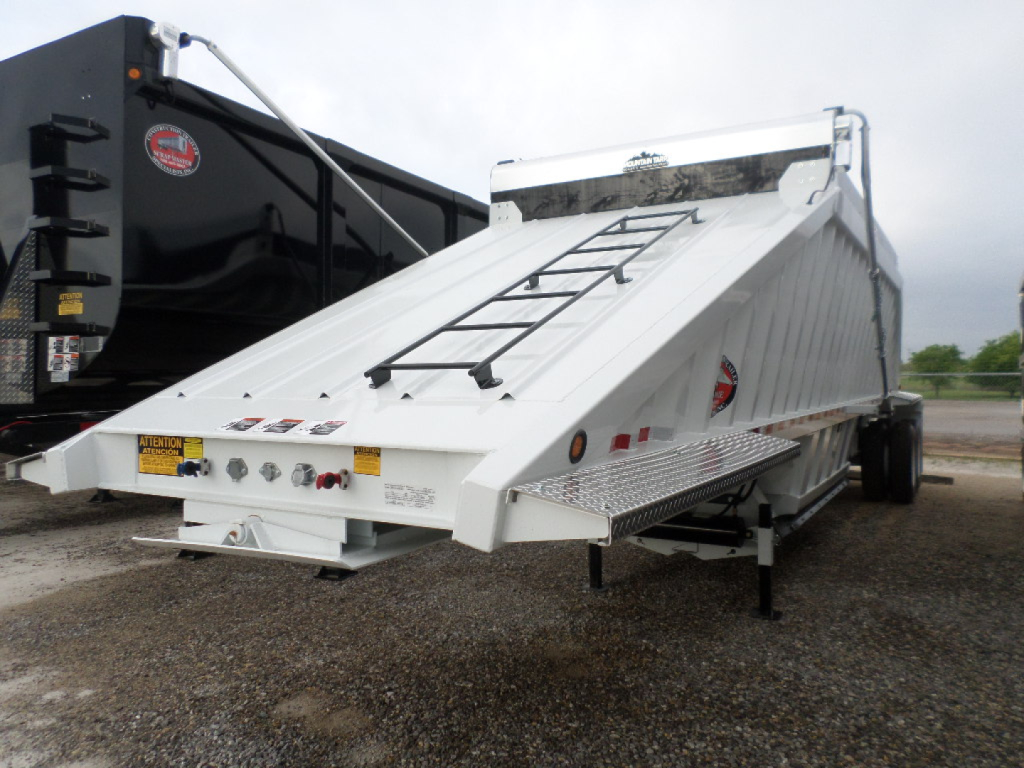
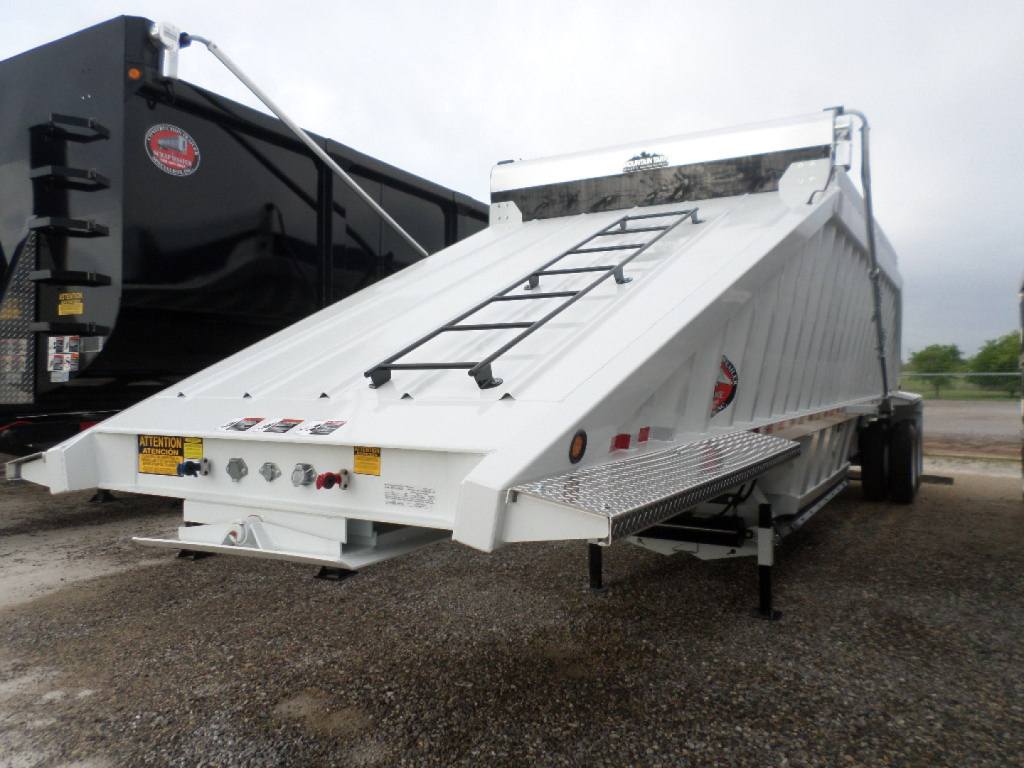
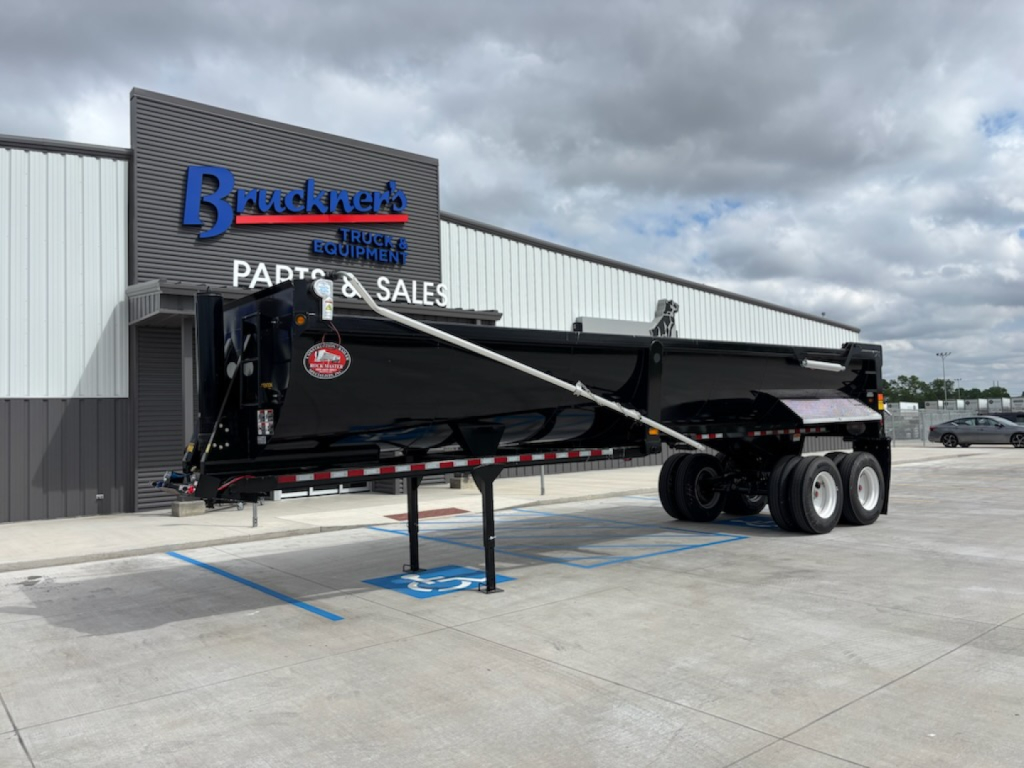
For bulk materials and jobsite work, dump trailers are a common focus. Buyers typically look at cubic yard capacity, body construction, liner options, hoist design, tarp systems, and suspension choice such as air ride or spring ride. Details like board height, slope or no-slope sheet design, fender construction, push blocks, air tank capacity, and quick release valves matter because they affect unloading speed, body life, and driver convenience. In agricultural, aggregate, and road construction work, trailer weight and balance are especially important, since a lighter trailer can improve legal payload while a stronger body can hold up better under demolition debris, rock, or abrasive material.
For highway freight, van and platform trailers require a different buying approach. Dry vans and reefers are often evaluated by interior height, logistics post spacing, rear frame strength, roof material, door configuration, and insulation package. Flatbeds, drop decks, and step decks are more about deck length, concentrated load rating, crossmember spacing, winch track layout, coil package options, and tire inflation systems. Lowboys and detachable goosenecks bring in additional considerations such as loaded deck height, neck style, hydraulic requirements, ground bearing points, and axle configuration for state bridge compliance. In Texas, regional hauling patterns, oilfield support, farm use, and construction traffic can make trailer specification more application-driven than brand-driven.
A smart trailer purchase comes down to matching the trailer to the freight, route, and maintenance plan. Buyers should pay close attention to brake type, hub and drum or disc setup, tire size, wheel material, lighting, ABS, kingpin setting, frame condition, and signs of prior overload or uneven wear. On used trailers, floor damage, suspension bushing wear, cracked welds, moisture intrusion, and door or gate alignment tell you a lot about remaining service life. On new trailers, the goal is usually to balance tare weight, structural strength, and resale value while avoiding a spec that is either too light for the work or heavier than the operation needs.
Frequently Asked Questions about Trailers Near Wichita Falls, Texas
What type of trailer is best for my hauling operation?
The best trailer depends on the freight first. Aggregate, scrap, and demolition usually point to a dump trailer. Palletized freight typically fits a dry van or refrigerated trailer. Steel, lumber, machinery, and oversized freight often require a flatbed, step deck, or lowboy. Buyers should match the trailer to cargo dimensions, loading method, route restrictions, and target payload before comparing brands or cosmetic features.
What should I inspect first on a used trailer?
Start with the frame, suspension, brakes, tires, floor, and structural welds. Look for cracked crossmembers, uneven tire wear, bent components, leaking wheel seals, corrosion around the rear frame, and signs the trailer has been overloaded. On dump trailers, inspect the hoist, body seams, hinge points, and tailgate operation. On vans and reefers, check for water intrusion, floor soft spots, and door seal condition. These areas usually reveal more about actual trailer value than paint or appearance.
Is air ride better than spring ride on a trailer?
Air ride generally provides a smoother ride and better cargo protection, which is important for higher-value freight, fragile materials, and operations that want improved driver control and reduced shock loading. Spring ride is simpler and can be less expensive to maintain in harsh applications. The right choice depends on cargo sensitivity, road conditions, maintenance practices, and total cost of ownership rather than ride preference alone.
How important is trailer weight when choosing a spec?
Trailer tare weight directly affects legal payload and revenue potential. A lighter trailer can increase the amount of freight hauled on each trip, but reducing weight too aggressively can compromise durability if the trailer is used in severe service. The best spec balances empty weight, structural strength, axle rating, and expected duty cycle. Buyers hauling abrasive material, concentrated loads, or off-road freight usually need more structure than buyers focused on maximizing payload in consistent highway service.
What specs matter most on a dump trailer?
The most important dump trailer specs are body length, side height, cubic yard capacity, material thickness, suspension type, hoist design, liner options, tarp system, gate style, and axle configuration. Buyers should also consider slope sheet design, air system components, push block setup, and whether the body is better suited for rock, sand, asphalt, grain, or mixed material. A dump trailer that is correctly matched to material density and unloading conditions will usually outperform a larger trailer with the wrong body and suspension setup.