
Trailers For Sale in Washington
Browse trailers for sale in Washington, including dump, flatbed, dry van, reefer, lowboy, and specialty trailers for regional and heavy-duty hauling.
No exact matches found for your search
Showing Trailers instead.

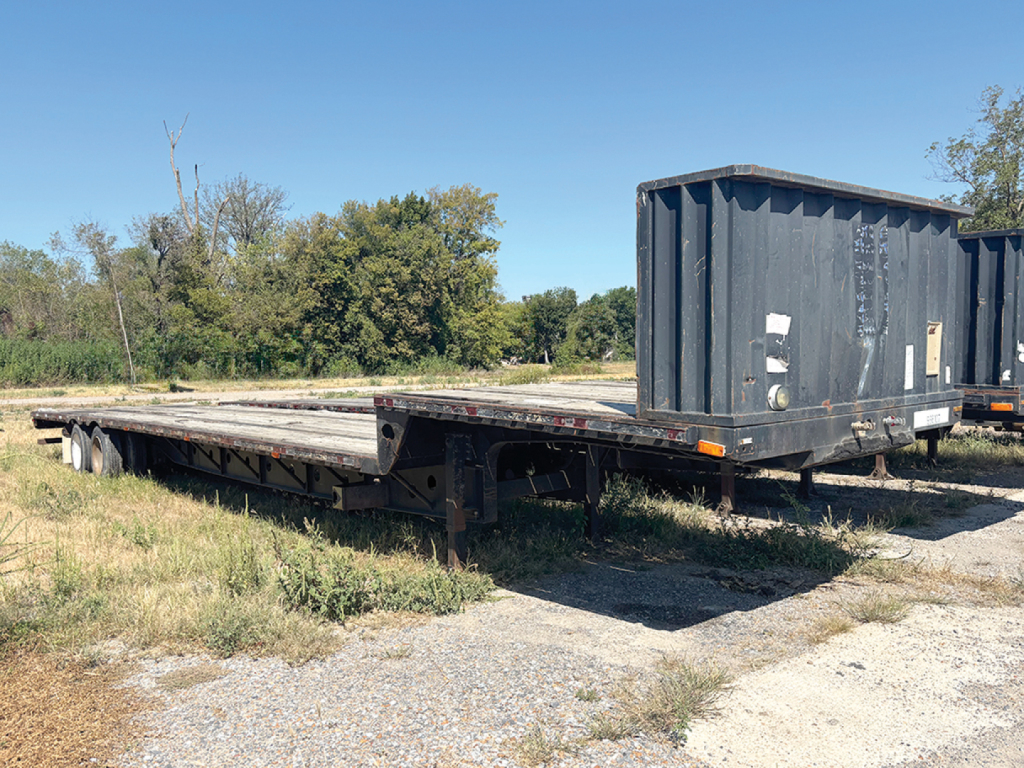
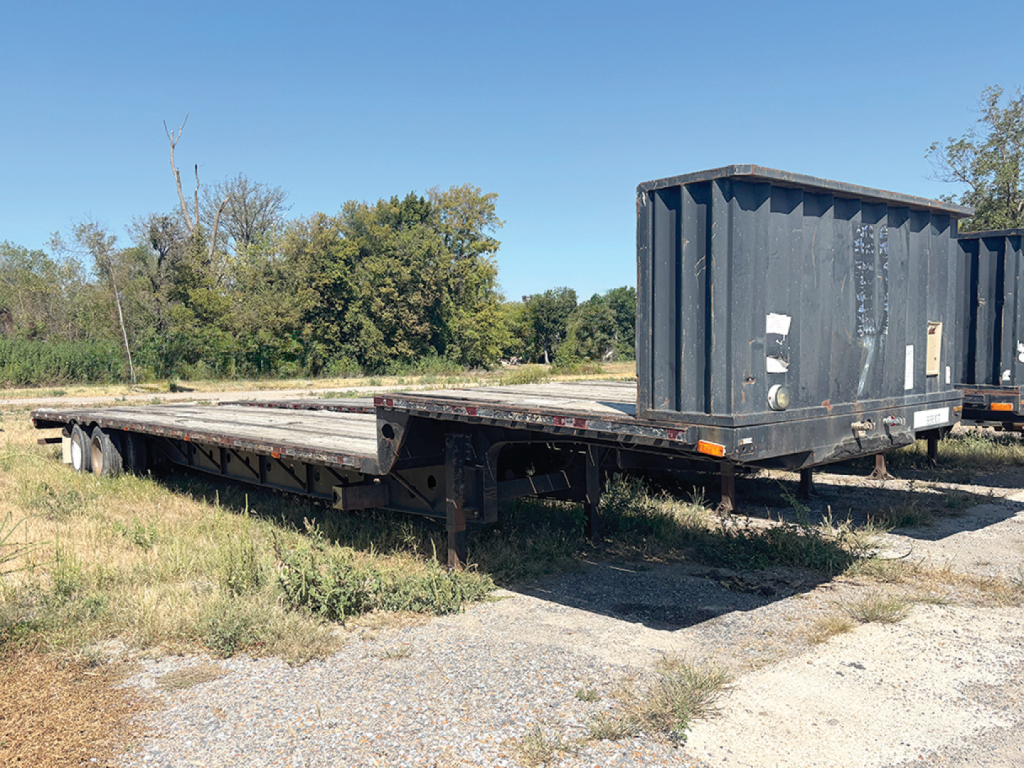
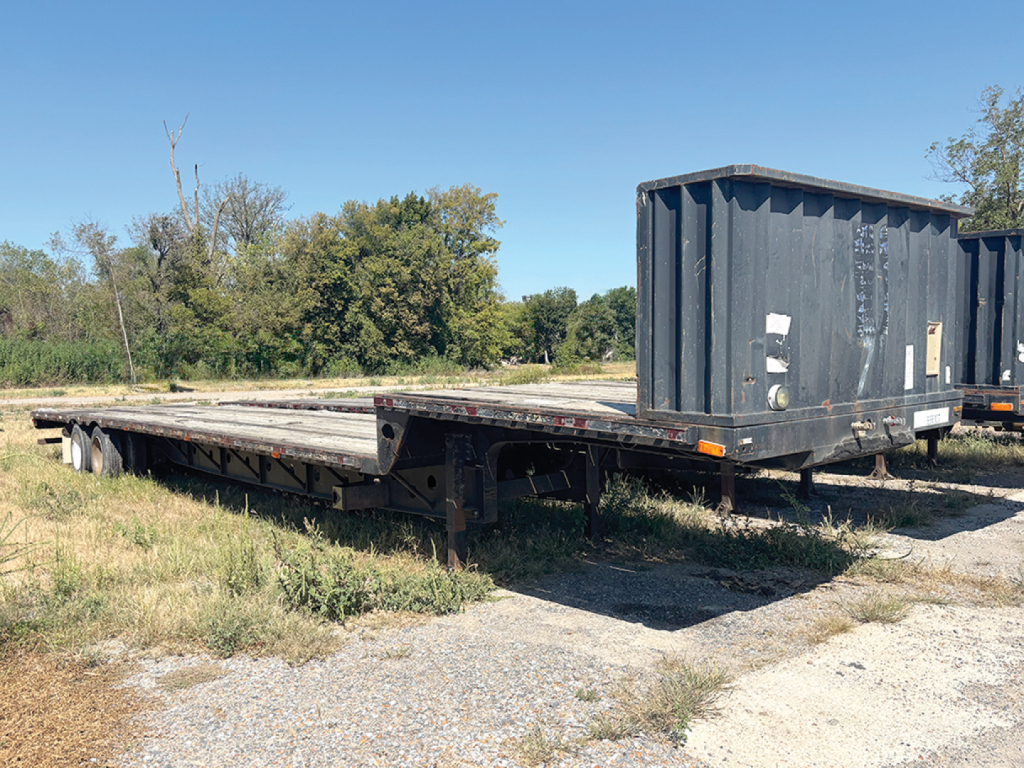
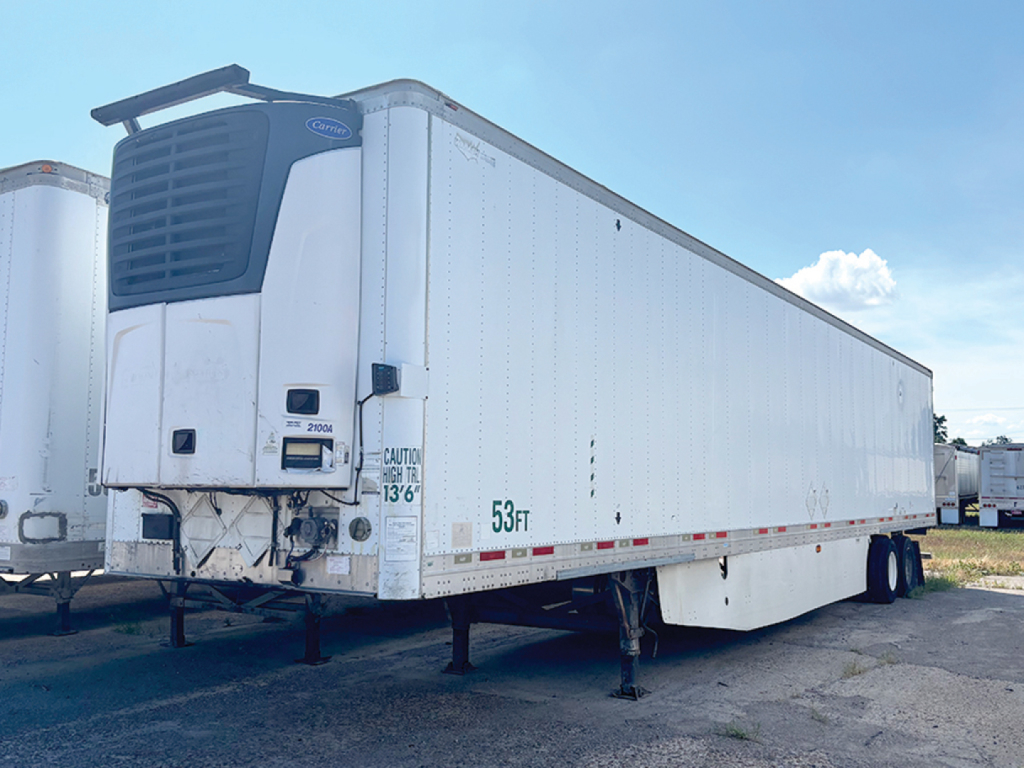
Showing 1 to 12 of 2,206 results
Have trailer to sell? List it here to reach thousands of buyers.
Trailers in Washington
Dump trailers are a strong fit for Washington contractors, quarries, excavation fleets, and paving operations. Common specs include steel or aluminum construction, tandem, tri-axle, or quad-axle layouts, air ride or spring suspension, electric or manual tarp systems, and body capacities that can range from the low 20-yard class into high-cube configurations. Buyers should pay close attention to hoist requirements, hydraulic pressure and flow compatibility with the tractor, gate control design, axle lift setups, and push block configuration if paving work is part of the job. In a region where weight laws, bridge formulas, and jobsite access can vary, axle spread and lift axle design can directly affect both legal payload and tire wear.
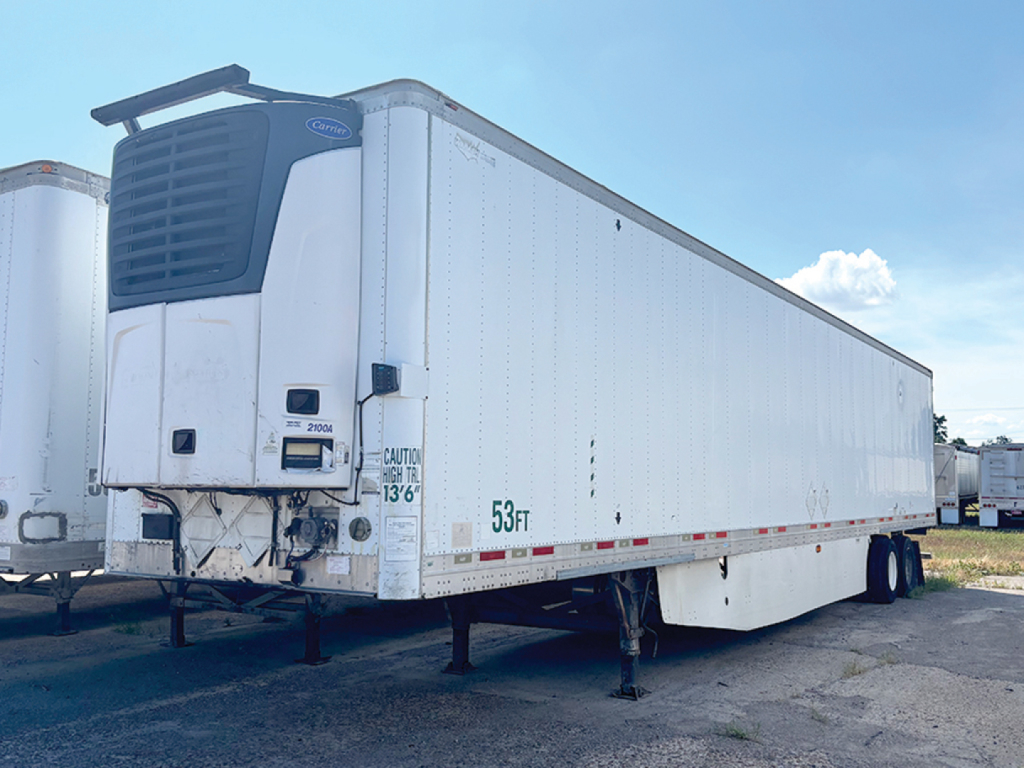
For general freight and regional delivery, dry vans and reefers remain the backbone of many fleets, while flatbeds, step decks, and drop decks are common for lumber, steel, machinery, and building products. Reefer buyers should look closely at unit hours, insulation condition, floor wear, air chute integrity, and door seal performance. Flatbed and drop deck buyers should focus on deck height, concentrated load rating, tire inflation systems, aluminum versus steel wheel specs, and trailer features such as sliding winches, coil package, and flooring condition. In western operating environments, corrosion resistance, sealed wiring, lighting quality, and suspension durability are worth extra attention because trailers often see a mix of interstate miles, rain, mud, and unpaved sites.
Used and new trailers each have their place. A new trailer can be spec'd for a narrow application, while a used trailer may offer faster ROI if the frame, suspension, brakes, and structural wear points check out. On any trailer category, inspect bushing wear, landing gear condition, brake lining life, drum or disc condition, tire match, wheel-end maintenance history, frame cracks, and signs of prior weld repair. Buyers in Washington should also consider how the trailer will perform on steep grades, in year-round moisture, and under heavy load cycles, because long-term operating cost often comes down to durability, serviceability, and how well the spec matches the route.
Frequently Asked Questions about Trailers in Washington
What trailer types are most common for sale in Washington?
Washington buyers commonly shop dump trailers, flatbeds, step decks, lowboys, dry vans, reefers, and equipment trailers. The mix is shaped by construction, agriculture, timber, manufacturing, port freight, and regional distribution. Dump trailers are especially common in aggregate, excavation, and paving work, while flatbeds and drop decks are widely used for lumber, machinery, and building materials.
What should I look for when buying a dump trailer?
Focus on body material, cubic yard capacity, axle count, suspension, hoist compatibility, gate style, tarp system, and tare weight. Steel tubs generally handle abrasive material well, while lighter specs can improve payload if the duty cycle allows it. It is also important to confirm hydraulic requirements, kingpin setting, lift axle function, brake condition, and structural areas such as hinge points, draft arms, crossmembers, and the tub floor.
Is a tri-axle or quad-axle trailer better for heavy hauling?
That depends on the payload target, state bridge laws, and the roads the trailer will run. A tri-axle trailer can offer a strong balance of capacity, maneuverability, and lower empty weight. A quad-axle trailer may support better weight distribution and legal payload in some applications, but it adds complexity, tires, and maintenance. The best choice depends on route density, scale strategy, and whether lift axles are needed to manage wear and empty miles.
Are air ride suspensions better than spring suspensions on trailers?
Air ride suspension is often preferred for ride quality, cargo protection, and reduced shock transfer to the trailer structure. It is common on dump trailers, vans, reefers, and many platform trailers that run higher highway miles. Spring suspension can still make sense in severe-duty environments because of simplicity and lower upfront cost, but the right answer depends on commodity, terrain, and maintenance priorities.
What matters most when comparing used trailers?
The biggest factors are structural integrity, brake and tire condition, suspension wear, wheel-end health, and signs of corrosion or poor repairs. Buyers should inspect the frame rails, crossmembers, landing gear, kingpin area, suspension bushings, lights, wiring, and any high-stress areas specific to the trailer type. A used trailer with solid maintenance records and the right specification is usually a better buy than a cheaper unit with hidden structural or axle issues.