
Used 2020 Wabash Trailers For Sale
Browse used 2020 Wabash trailers for sale, including dry van and freight trailer options with specs buyers compare most.
Learn more
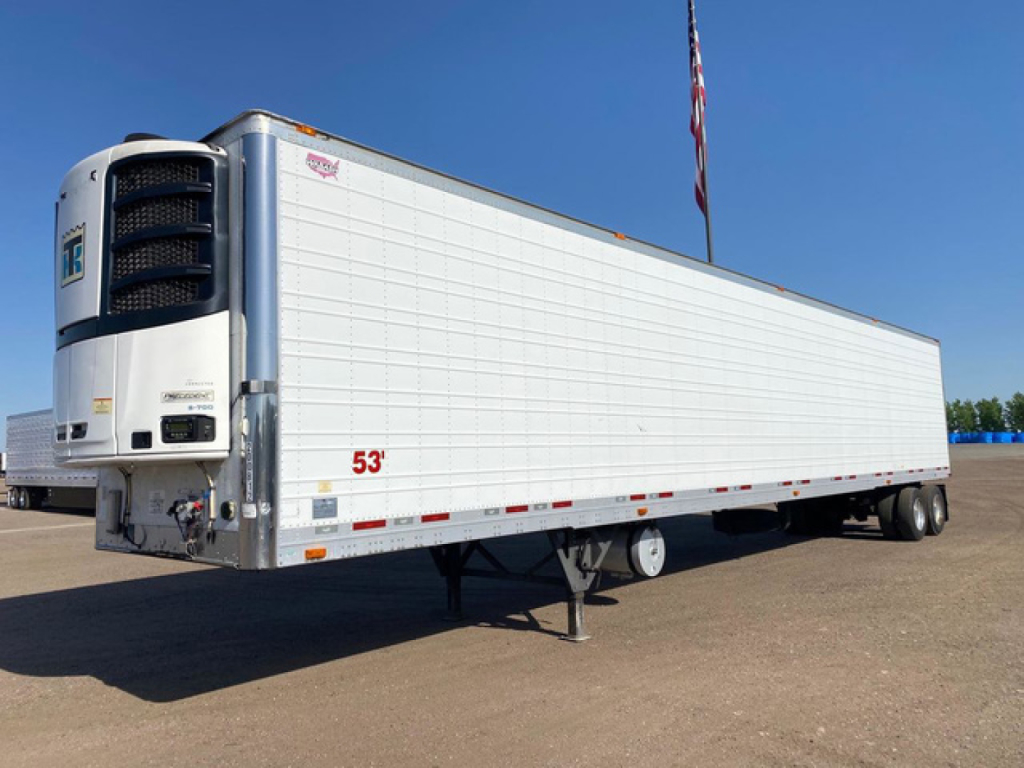
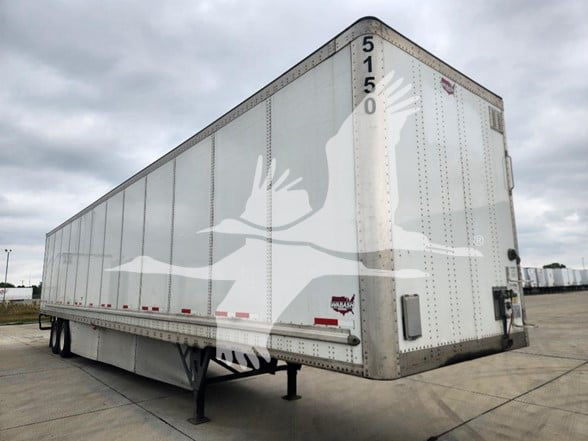
Have used 2020 wabash trailer to sell? List it here to reach thousands of buyers.
About Used 2020 Wabash Trailers
A 2020 Wabash dry van will often be built around DuraPlate-style composite sidewall construction or similar panel designs intended to balance durability with weight control. Common specs include a 13-foot 6-inch overall height, tandem sliding axles, air-ride or spring suspension, hardwood or laminated floors, and either swing doors or roll-up doors. Swing doors usually maximize cube and are preferred in many truckload applications, while roll-up doors can make sense in route freight or multi-stop work where dock clearance and quick access matter. Buyers should also inspect crossmember spacing, scuff liners, roof condition, rear frame area, threshold wear, and signs of sidewall delamination or forklift damage.
For fleets running long-haul freight, tare weight and suspension setup matter because they directly affect payload and cargo protection. Air-ride vans are often preferred for higher-value or damage-sensitive freight, while spring ride can still be a practical choice in cost-sensitive operations with standardized freight. Sliding tandems remain important for bridge law compliance and customer dock positioning, so slider rail condition, pin engagement, and frame wear deserve close attention. Tire size, wheel type, brake spec, and ABS performance should also be reviewed carefully, especially on used 2020 trailers that may have already seen regional fleet service, drop-and-hook cycles, or dense urban loading patterns.
A used 2020 Wabash trailer is usually a fit for carriers that want a modern van trailer without moving into new-trailer pricing. The best comparison points between listings are interior width and height, floor rating, door opening dimensions, suspension, axle spread, and any logistics track, tire inflation system, or aerodynamic equipment already installed. Maintenance history is especially valuable on this class of trailer because brake work, bushing wear, floor repairs, and roof or door maintenance can change the true cost of ownership quickly. Buyers comparing multiple 2020 Wabash trailers should think in terms of freight profile, dock environment, and expected annual miles, not just purchase price.
Frequently Asked Questions
What are the most common 2020 Wabash trailer configurations buyers will see?
The most common 2020 Wabash trailers on the used market are 53-foot dry vans with 102-inch width and 13-foot 6-inch overall height. Many are equipped with sliding tandems, air-ride or spring suspension, and either swing or roll-up rear doors. In this category, dry van specifications are usually the baseline because they cover the widest range of general freight applications.
Is air-ride better than spring suspension on a used 2020 Wabash trailer?
Air-ride is often preferred when cargo protection, ride quality, and shipper requirements are priorities. It can reduce shock transfer to the load and is common in truckload and dedicated freight service. Spring suspension can still be a solid choice for buyers focused on lower acquisition cost and simpler mechanical setup, but the right answer depends on freight type, route conditions, and maintenance standards.
What should buyers inspect first on a used 2020 Wabash dry van?
The first inspection points should be the floor, sidewalls, roof, rear frame, door hardware, suspension, brakes, and slider system. On a van trailer, hidden cost often shows up as floor fatigue, wall damage from forklifts, roof leaks, and tandem slide wear. Tire condition, ABS function, and evidence of structural repairs should also be reviewed before comparing price between units.
Are 2020 Wabash trailers suitable for fleet and owner-operator use?
Yes. A 2020 Wabash trailer can fit both fleet service and owner-operator use because the platform is widely accepted in general freight, distribution, and drop-and-hook operations. Fleets often value the consistency of parts and service familiarity, while smaller operators may focus on late-model appearance, shipper acceptance, and a useful balance between purchase price and remaining service life.
Do door type and floor spec make a big difference on a 2020 Wabash trailer?
Yes. Door type affects loading method, dock access, and usable rear opening, while floor specification affects forklift durability and long-term repair cost. Swing doors are common for maximizing loading access and cube, while roll-up doors can help in frequent-stop operations. A trailer used in heavier palletized freight should have a floor condition and rating that match the work, because floor repairs can become a major ownership expense.