
Wabash Trailers For Sale in California

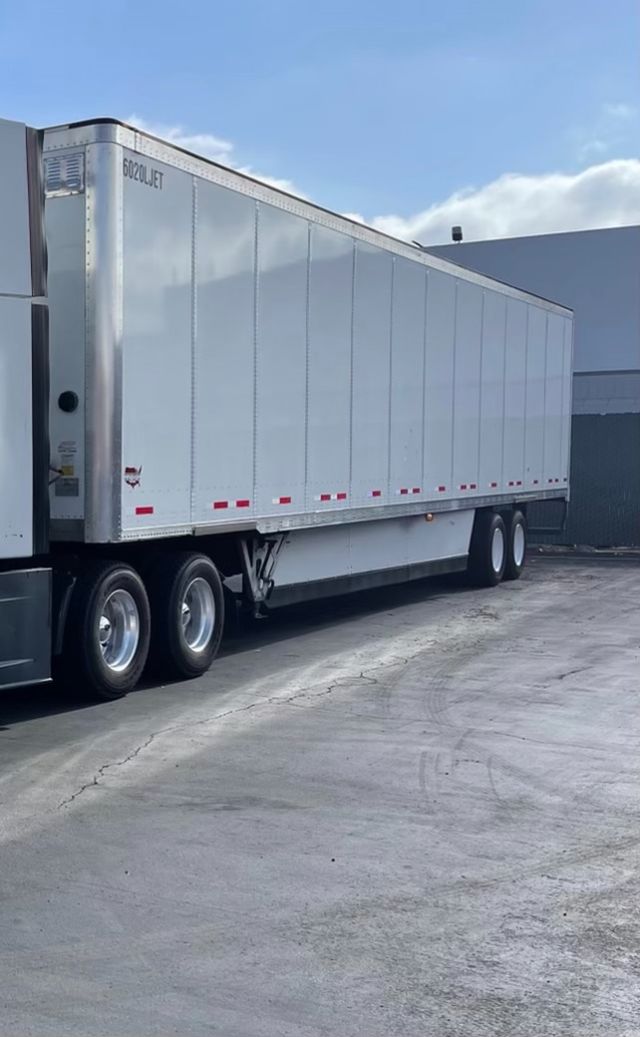
Have wabash trailer to sell? List it here to reach thousands of buyers.
Wabash Trailers in California
For a buyer comparing listings, the key decisions usually come down to body condition, floor life, suspension, and tandem configuration. Many Wabash dry vans in this class are air ride, which is preferred for ride quality and freight protection. Sliding tandems matter in California because bridge law, axle spacing, and shipper requirements can all affect how easily a trailer can be loaded and routed legally. Floor type and condition deserve close attention, especially on older vans. Wood floors remain common and practical, but buyers should inspect for soft spots, forklift wear, patched sections, and threshold damage. Inside the box, e-track, logistics posts, scuff liner condition, roof bow straightness, and sidewall repairs all tell you how the trailer was used and how much service life remains.
Wabash has long been known for dry van construction, aerodynamic trailer design, and parts familiarity across the industry. That matters in a state like California, where a trailer may run dense urban delivery, port-related dray support, regional linehaul, or high-cycle distribution work. Buyers should look at door frame condition, rear impact guard, crossmember integrity, tire condition, brake history, and signs of corrosion around the subframe and upper rails. On newer or higher-spec trailers, features like tire inflation systems, aluminum wheels, composite panels, and dock-friendly logistics setups can reduce operating cost or improve cargo handling. If the trailer will spend time in food service, grocery, or higher-cube retail freight, interior cleanliness and prior cargo history can be just as important as mileage or age.
California buyers also need to think beyond the trailer box itself and consider registration, emissions-adjacent compliance requirements for the tractor-trailer combination, and the operating environment. A trailer used for regional California freight may see more dock cycles, tighter yards, and more stop-and-go wear than an over-the-road unit covering long interstate miles. That makes inspection discipline critical. A well-maintained Wabash trailer can be a strong value because the brand is well recognized, resale is generally liquid, and most fleets already understand how to service and operate them. The best listing is not just the lowest-priced trailer. It is the one whose specs, tandem setup, structural condition, and freight history match the lanes you actually run.
Frequently Asked Questions about Wabash Trailers in California
What should I inspect first on a used Wabash dry van trailer?
Start with the floor, roof, sidewalls, rear frame, and running gear. Floor condition is critical because forklift damage, soft spots, and patched sections can shorten remaining life and affect loading safety. Check the roof for leaks or bow damage, inspect sidewalls for delamination or repaired impact areas, and look closely at the rear door frame, hinges, and threshold where high-cycle loading causes wear. Underneath, review crossmembers, suspension components, brake condition, tire wear, and signs of corrosion or structural repairs.
Why are sliding tandems important on Wabash trailers in California?
Sliding tandems give the operator more flexibility to meet axle weight and bridge spacing requirements while adapting to different freight distributions. In California service, that can matter for legal compliance, shipper loading patterns, and yard maneuverability. A fixed tandem may be workable for consistent freight, but a sliding tandem is usually more versatile for mixed loads and multiple customer docks. Buyers should confirm that the slider rails, pins, and locking mechanism move and engage correctly without excessive wear.
Are Wabash trailers a good fit for general freight operations?
Yes. Wabash dry vans are commonly used for retail freight, palletized goods, packaged products, and other dock-high shipments that need weather protection and secure enclosed transport. Their broad market acceptance also helps with maintenance, parts sourcing, and resale. The right fit depends on condition and spec more than the badge alone, so buyers should match trailer length, suspension, interior logistics equipment, and floor rating to the freight they plan to haul.
What features add value on a used Wabash trailer?
Air ride suspension, a sound floor, clean interior walls, functional e-track, straight roof bows, healthy brakes and tires, and a properly operating tandem slider are all meaningful value drivers. Tire inflation systems, aluminum wheels, composite construction features, and documented maintenance can also improve buyer confidence and reduce near-term operating cost. For dry vans, door seal condition and evidence of water-tightness are especially important because cargo claims often start with avoidable moisture intrusion.
How long can a Wabash trailer stay productive in fleet service?
Service life depends on application, maintenance, cargo type, and how often the trailer is loaded by forklift. A well-maintained Wabash trailer can remain productive for many years in regional or over-the-road service, but structural condition matters more than age alone. High-cycle distribution work typically wears floors, thresholds, doors, and suspension components faster than lighter-use linehaul work. Buyers should evaluate maintenance records, repair quality, and current condition to estimate remaining service life accurately.