
2007 Wabash Trailers For Sale in New York
Browse 2007 Wabash trailers for sale, including dry van configurations with common specs, dimensions, axle setups, and fleet-focused features.

Selling a 2007 wabash trailer? List your 2007 wabash trailer for sale and reach thousands of commercial buyers.
2007 Wabash Trailers in New York
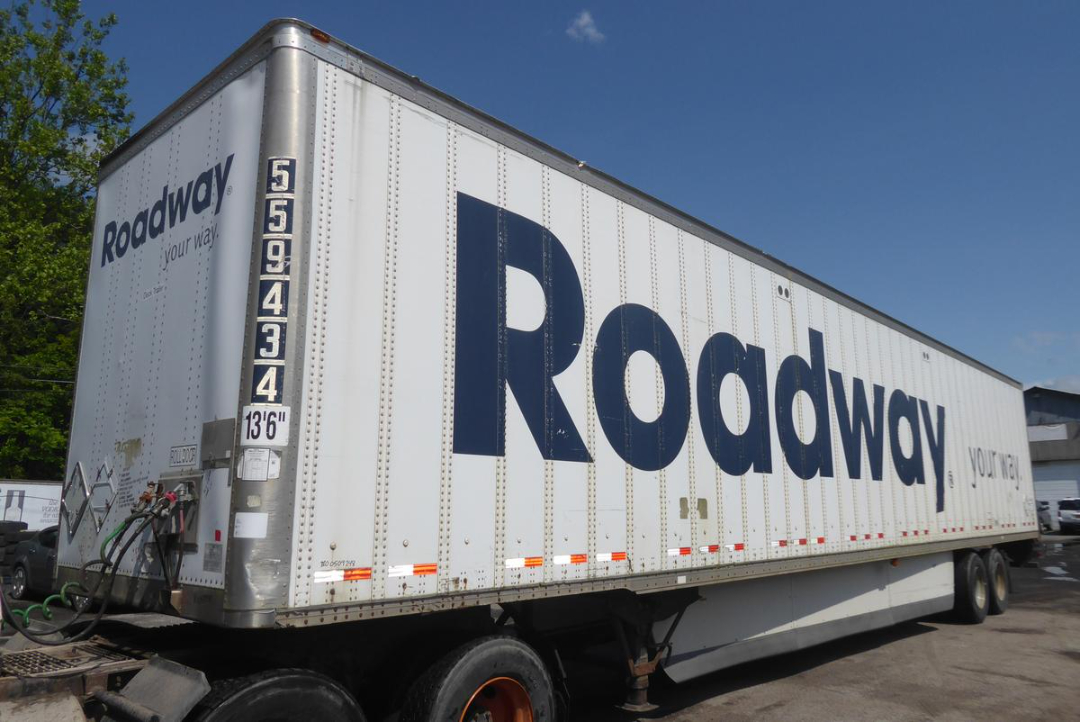
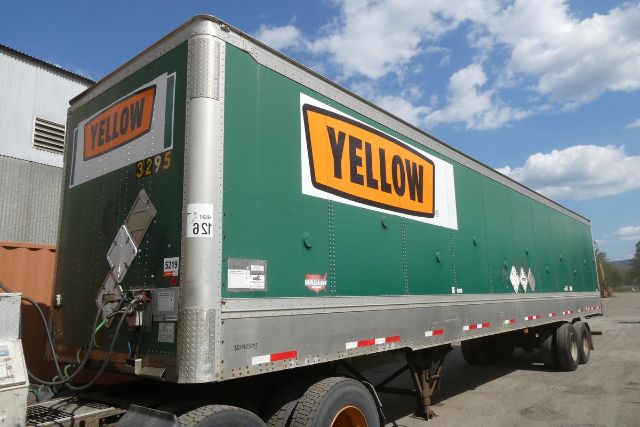
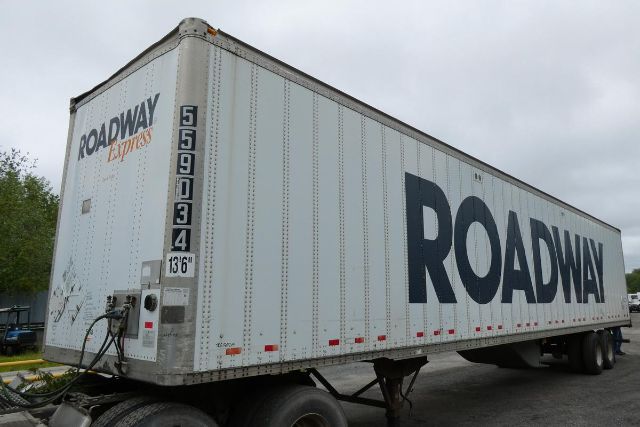
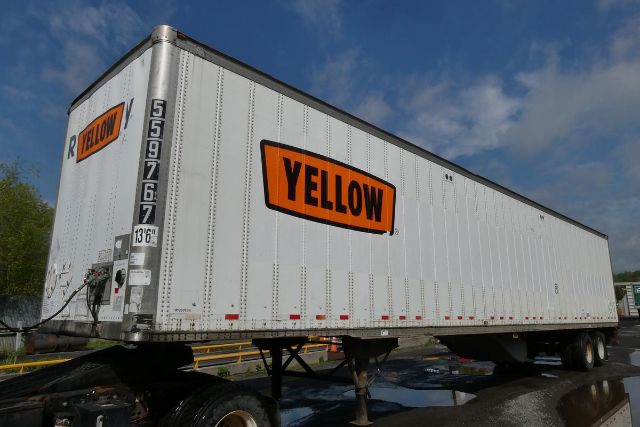
The first decision is usually length and axle configuration. A 28-foot Wabash pup with a fixed single axle is a different tool than a 48- or 53-foot tandem axle van. Pups are common in P&D, LTL, and doubles service, especially when a trailer is spec'd to pull doubles and has a roll-up rear door for city freight. Full-length vans are more common in truckload, dedicated freight, and warehouse distribution. On a used 2007 trailer, the tandem slider should be checked closely for rail wear, locking pin function, and signs of damage from repeated repositioning. Suspension type matters too, with spring ride still common on older van trailers and often cheaper to maintain, though it can ride harsher than air ride depending on the application.
Construction details matter on a trailer of this age. Many Wabash vans from this period use a steel and aluminum combination, often paired with wood floors reinforced by steel crossmembers. Buyers should pay close attention to floor condition, crossmember corrosion, lower side rail damage, rear frame wear, and roof integrity. Roll-up doors are common and practical for multi-stop work, but door balance, panel wear, and track condition should be inspected. If the trailer has side skirts, side windows, translucent or aluminum roof panels, or logistics posts and scuff liner arrangements, those details can tell you a lot about the trailer's prior service. Interior logistics tracks and wall condition are especially important if the trailer handled palletized freight with frequent forklift loading.
A 2007 Wabash trailer can still be a productive freight asset if the structure is sound and the spec matches the lane. Check tire size compatibility, wheel type, hub and brake condition, kingpin and upper coupler wear, ICC bumper condition, and any signs of past dock impact or threshold repairs. For New York operation, buyers also tend to pay closer attention to rust at the rear frame, suspension mounts, and crossmember connections because road salt can accelerate corrosion on older trailers. The right used Wabash in this model year is usually less about brand recognition and more about honest structural condition, legal remaining payload, and how well the trailer's dimensions and door setup fit the freight.
Frequently Asked Questions about 2007 Wabash Trailers in New York
What types of Wabash trailers are common in the 2007 model year?
In the 2007 model year, Wabash trailers most commonly found on the used market are dry van trailers, including 28-foot pup trailers and 45-, 48-, and 53-foot vans. Many are equipped with roll-up rear doors, air brakes, and either fixed single axles or slideable tandem axles. These trailers were widely used in LTL, route delivery, and general freight service, so condition and prior application matter as much as the basic size.
What should I inspect first on a used 2007 Wabash trailer?
Start with the structure before cosmetics. Check the floor for rot, delamination, soft spots, and forklift damage. Inspect crossmembers, side rails, rear frame, roof bows, and the upper coupler for cracks, corrosion, or poor repairs. On tandem trailers, inspect the slider rails and pin mechanism. Also look closely at the roll-up door, threshold, brake system, tire wear, wheel ends, and signs of impact around the nose, rear corners, and dock area.
Are older Wabash dry vans still good for commercial freight?
Yes, if the trailer has a solid frame, sound floor, and serviceable running gear, an older Wabash dry van can still be a dependable freight trailer. Many remain in regional haul, dedicated lanes, storage service, or city delivery work. The best candidates are trailers with clean maintenance history, minimal structural rust, and specs that match the intended freight, especially load height, door opening, axle setup, and payload needs.
What is the difference between a fixed axle pup and a tandem axle van trailer?
A fixed axle pup trailer, often around 28 feet, is typically used in doubles service, city delivery, and LTL operations where maneuverability matters. A tandem axle van trailer in 45 to 53 feet is designed for higher cargo volume and broader truckload use. The tandem slider also allows axle weight adjustment for bridge law compliance and load distribution, which is important for many over-the-road and warehouse freight applications.
Why does rust inspection matter more on a 2007 trailer in New York?
New York service often means exposure to road salt, moisture, and freeze-thaw cycles, all of which can accelerate corrosion on an older trailer. Rust is especially important to inspect around suspension hangers, crossmember connections, rear frame sections, landing gear mounts, and door frame components. Surface rust is common, but scaling, perforation, and weakened structural members can turn a low-cost trailer into an expensive repair project.