
Trailers For Sale in Virginia
Browse trailers for sale in Virginia, including dry vans, flatbeds, reefers, dumps, lowboys, tankers, and specialty trailer options.
Selling a trailer? List your trailer for sale and reach thousands of commercial buyers.
Trailers in Virginia
For van and reefer buyers, focus on trailer length, interior height, floor type, rear frame condition, and door configuration. Swing doors are still common, but roll-up doors can make sense for certain route delivery applications. Reefer buyers should also pay close attention to the refrigeration unit hours, air chute setup, fuel tank condition, and insulation integrity. Flatbed and drop deck buyers should look closely at deck length, deck height, crossmember spacing, winch track condition, aluminum versus steel construction, and whether the trailer is set up with coil package, sliding winches, or toolboxes. If the work involves machinery or construction equipment, lowboy and detachable gooseneck trailers are often evaluated by loaded deck height, neck style, ramp configuration, and concentrated load capacity.
Virginia buyers also need to think about corrosion, terrain, and operating radius. Coastal exposure can accelerate rust on frames, suspensions, wiring, and brake components, while heavier regional work may put more importance on suspension type, tire condition, and brake life. Air ride suspension is often preferred for freight protection and dock-friendly loading, while spring ride still has a place in rugged vocational service. Across most trailer categories, key checkpoints include kingpin wear, landing gear operation, slider function, brake type, wheel-end service history, tire inflation systems, and the condition of the floor, roof, side rails, and scuff liners.
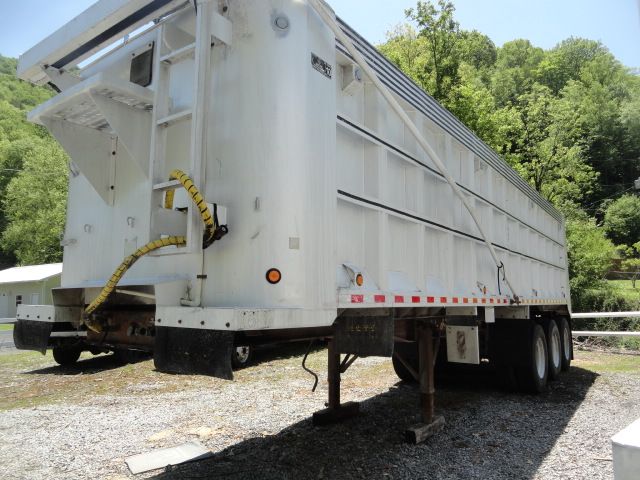
The best trailer is the one that fits the freight first and the route second. A dry van built for dock freight is a different tool than a frameless dump trailer hauling aggregate, and both differ sharply from a spread axle flatbed set up for steel or lumber. Buyers comparing trailers in Virginia should weigh tare weight against durability, confirm axle ratings and GVWR, and match the trailer to the tractor, loading method, and compliance needs. Small spec differences such as door opening height, fifth wheel position, or suspension setup can have a real impact on payload, turnaround time, and long-term operating cost.
Frequently Asked Questions about Trailers in Virginia
What types of trailers are most commonly used in Virginia?
Virginia operators commonly use dry vans, refrigerated trailers, flatbeds, step decks, dump trailers, lowboys, equipment trailers, and tank trailers. The most common choice depends on the freight. General freight usually moves in dry vans, temperature-sensitive freight in reefers, building materials and steel on flatbeds, and construction or paving materials in dump trailers. Lowboys and detachable gooseneck trailers are common when hauling heavy equipment.
What should I inspect first when comparing used trailers?
Start with the frame, suspension, brakes, tires, floor, and wheel ends. Then check the kingpin area for wear, confirm landing gear operation, inspect crossmembers, and look at the rear frame and door hardware. On vans and reefers, roof and floor condition matter because water intrusion and forklift damage can be expensive to correct. On flatbeds and drops, pay attention to deck condition, tie-down equipment, and any signs of frame damage or poor repairs.
Is air ride or spring ride better for a trailer?
Air ride is typically preferred for many freight applications because it helps protect the cargo, improves ride quality, and works well at docks and warehouses. Spring ride is simpler and can be a good fit for harder vocational service where durability and lower complexity are priorities. The better choice depends on cargo sensitivity, road conditions, maintenance practices, and the type of loading and unloading the trailer will handle.
How do axle configuration and trailer weight affect payload?
Axle configuration directly affects legal weight distribution, bridge compliance, and how the load can be positioned on the deck or in the box. A lighter trailer usually improves payload, but reduced tare weight only helps if the trailer still has the structural capacity for the intended work. Tandem, spread axle, tri-axle, and specialized setups each have tradeoffs in tire scrub, maneuverability, and allowable load placement.
What trailer specs matter most for matching a trailer to the job?
The important specs depend on the application, but buyers usually start with trailer type, overall length, axle rating, suspension, floor construction, body material, and door or ramp setup. Reefer buyers also need unit performance and insulation condition. Flatbed and step deck buyers often focus on deck height, securement options, and concentrated load ratings. Equipment and lowboy buyers should verify loaded deck height, neck style, and ramp or detach system because those details determine what machinery can be hauled safely and legally.