
Used 2026 Vanguard Trailers For Sale in Pennsylvania
Shop used 2026 Vanguard trailers in Pennsylvania. Compare dry van and reefer specs, slider setups, doors, suspension, and fleet-ready options.
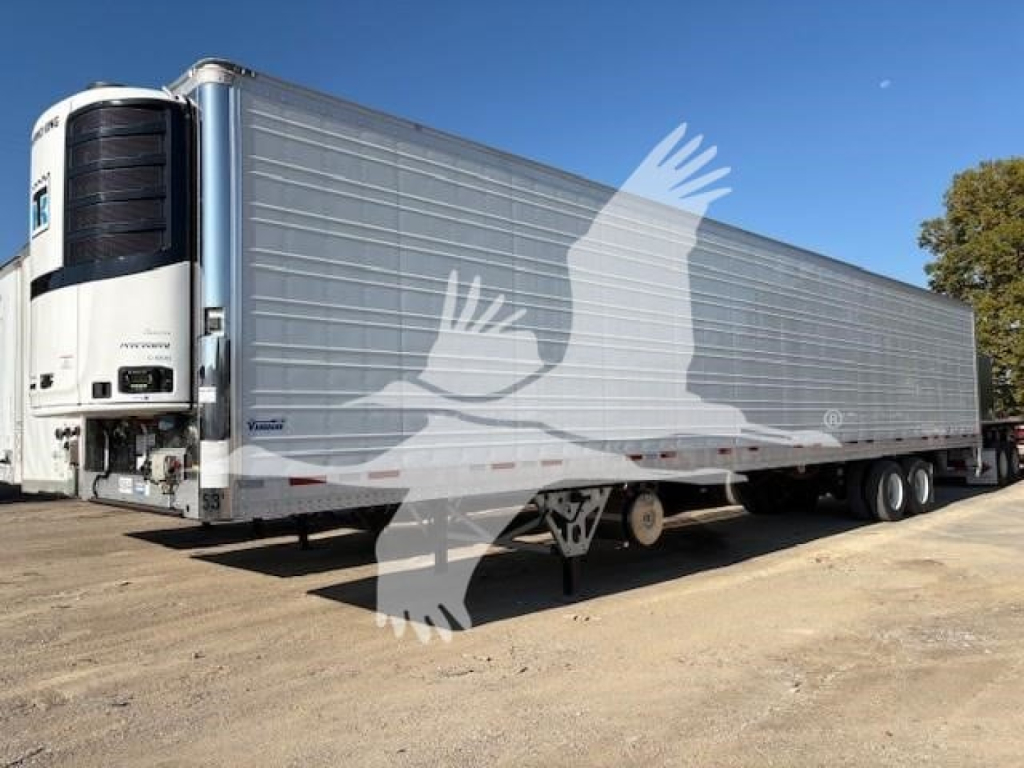
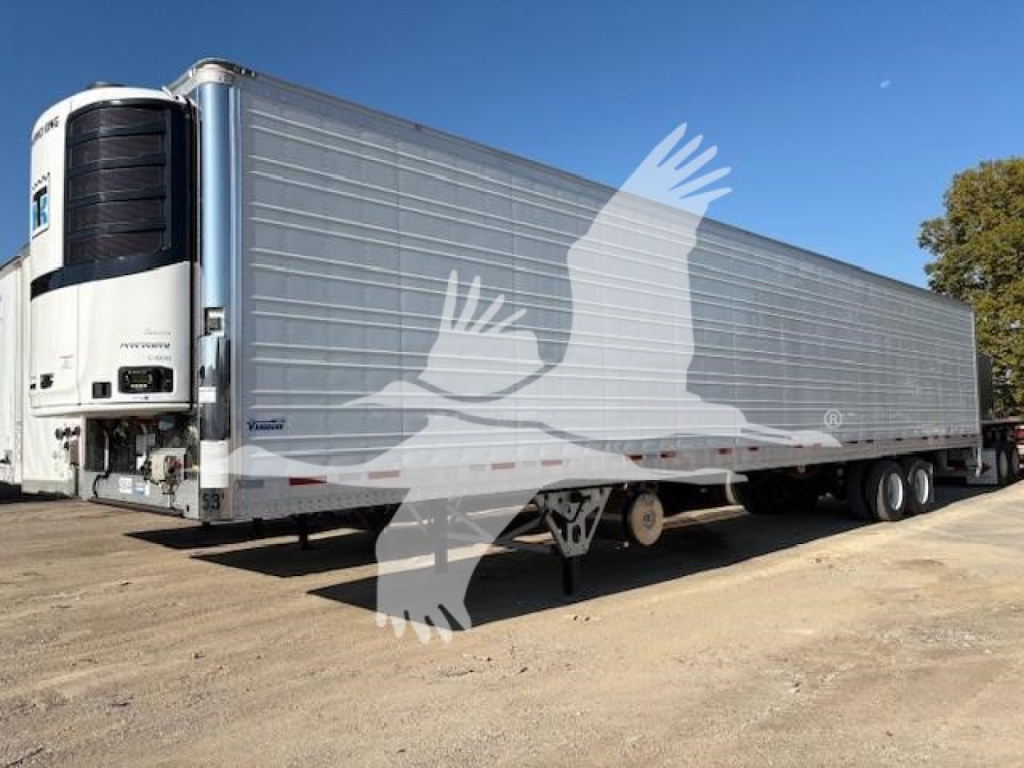
Selling a used 2026 vanguard trailer? List your used 2026 vanguard trailer for sale and reach thousands of commercial buyers.
Used 2026 Vanguard Trailers in Pennsylvania
For dry van buyers, common points to compare include swing doors versus roll-up doors, slider range, crossmember spacing, roof material, and logistics-focused interior features. Swing doors generally preserve interior cube and are common in full trailer load operations, while roll-up doors can be useful at docks with tight clearance or frequent stop work. Many Vanguard van trailers are spec'd with air-ride suspension for cargo protection and dock stability, and a sliding tandem helps with bridge law compliance and weight distribution. Buyers should also look closely at sidewall condition, scuff liner wear, floor life, rear frame corrosion, and signs of hard forklift use around the threshold plate and rear sill.
On reefer models such as the Vanguard Globe, buyers should pay attention to insulation values, duct floor condition, air return bulkhead design, chute integrity, fuel tank size, and reefer unit hours. Features like stainless rear frames, galvanized components, aluminum roofs, composite floor stringers, and tire inflation systems can reduce maintenance exposure over time. In Pennsylvania service, road salt and seasonal temperature swings make undercarriage condition, brake system health, and corrosion resistance especially important. Suspension brand, kingpin setting, landing gear spec, and tire size also affect compatibility with existing tractors and maintenance programs.
A used 2026 Vanguard trailer should be evaluated as a total cost asset, not just by year model. The best comparison points are structural condition, cargo suitability, dock compatibility, and how closely the trailer matches your freight profile. For dry freight, focus on cube, floor strength, door reliability, and tandem adjustment. For refrigerated service, focus on insulation integrity, reefer performance, airflow management, and washout condition. Vanguard trailers are common fleet equipment because parts support is straightforward and the specs are familiar to most maintenance shops, which makes them a practical option for carriers looking for standardization across a mixed trailer fleet.
Frequently Asked Questions about Used 2026 Vanguard Trailers in Pennsylvania
What types of Vanguard trailers are most common on the used market?
The most common used Vanguard trailers are 53-foot dry vans, also called plate vans, and 53-foot refrigerated trailers. Dry vans are typically used for general freight, palletized goods, and retail distribution. Reefer models are built for temperature-controlled loads and include insulated walls, specialized flooring, and a refrigeration unit. Buyers usually compare them based on freight type first, then tandem setup, doors, floor condition, and overall structural wear.
What should I inspect first on a used Vanguard dry van trailer?
Start with the floor, rear frame, doors, and suspension. The floor tells you a lot about forklift traffic and load history, especially near the rear threshold and main traffic lanes. Check swing or roll-up doors for alignment, hinge wear, and seal condition. Inspect the rear sill, crossmembers, sidewalls, and roof for impact damage or repairs. On slider trailers, confirm the tandem slides properly and look for wear at the rails, locking pins, bushings, brakes, and air-ride components.
What matters most when buying a used Vanguard reefer trailer?
The refrigeration unit and the insulated trailer body need to be evaluated together. Unit hours, service history, fuel tank condition, evaporator performance, and temperature pull-down are critical, but so are the trailer's insulation package, duct floor, air chute, and bulkhead. If airflow components are damaged or insulation has been compromised, the reefer unit has to work harder and operating costs rise. Also inspect the rear frame, washout condition, door seals, and corrosion under the trailer, especially in regions where winter road treatment is common.
Why is an air-ride slider tandem important on a Vanguard trailer?
An air-ride slider tandem improves ride quality for sensitive freight and gives the operator more flexibility for axle weight distribution and bridge compliance. Air-ride also helps reduce shock transfer compared with some mechanical setups, which can matter for packaged consumer goods, electronics, or food products. The slider function is just as important because it allows the trailer to be positioned for loading docks, state weight rules, and tractor-trailer balance. A buyer should always confirm the slider locks securely and moves as intended.
Are Vanguard trailers a good fit for fleet standardization?
Vanguard trailers are often a practical fleet choice because they are built around familiar industry specs and are straightforward for technicians to service. Common components such as landing gear, wheel ends, suspension systems, brakes, doors, and lighting are usually easy to source and maintain within a standard trailer program. For fleets trying to simplify inspections, driver training, and parts stocking, a consistent trailer platform can reduce downtime and maintenance variability. The value depends on actual trailer condition, but the brand is generally well suited to fleets that prioritize conventional, serviceable specs.