
Used Vanco Trailers For Sale
Browse used Vanco trailers for sale, including dry van models with tandem axles, aluminum construction, wood floors, and roll-up doors.
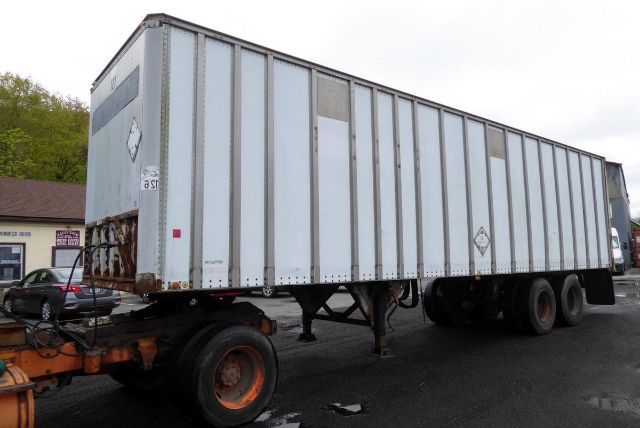
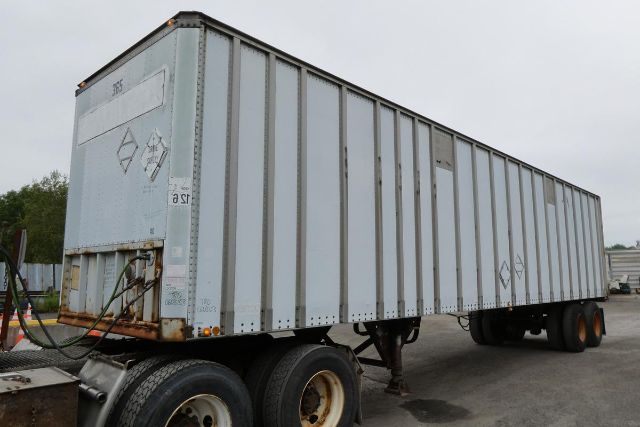
Selling a used vanco trailer? List your used vanco trailer for sale and reach thousands of commercial buyers.
Used Vanco Trailers
A buyer should pay close attention to axle setup, suspension type, and door condition. Sample units in this category show both sliding tandem and fixed tandem configurations, along with spring ride suspensions and common 11R22.5 tire sizes. Sliding tandems can add flexibility for weight distribution and bridge law compliance, while fixed tandems may be simpler for dedicated local use. On older dry vans, inspect the suspension hangers, crossmembers, floor condition, rear frame, and roof bows closely. Roll-up doors are common, but cable wear, track damage, and poor door sealing can turn a low-cost trailer into a repair project quickly.
Construction details are a big part of value in used Vanco trailers. Aluminum sidewalls or plate construction can help keep weight down, but steel crossmembers and understructure components still need a careful rust inspection. Wood floors are typical in this class and should be checked for rot, delamination, patched sections, and forklift damage. Exterior posts, scuff areas, and side sheets should also be reviewed if the trailer will be used for freight instead of stationary storage. Buyers using an older Vanco van trailer as a warehouse substitute or jobsite storage unit may accept cosmetic issues that a freight operator would not.
For many buyers, a used Vanco trailer is a fit when price, basic enclosed capacity, and simple serviceability matter more than aerodynamic features or modern fleet specs. Common checkpoints include inside height, overall length, empty weight, brake condition, tire age, wheel type, and whether the unit has air brakes and standard serviceable components. If the trailer will see highway miles, verify VIN data, GVWR, axle ratings, and compliance items before purchase. If the plan is storage, focus on water tightness, floor strength, and door security first. In this category, the best choice is usually the trailer with the soundest frame, floor, and running gear, not necessarily the newest paint.
Frequently Asked Questions about Used Vanco Trailers
What should I inspect first on a used Vanco dry van trailer?
Start with the frame, crossmembers, suspension mounts, floor, roof, and rear door assembly. On older dry van trailers, corrosion underneath and damage from repeated forklift loading often matter more than appearance. Check for rust around spring hangers, cracked crossmembers, soft wood flooring, roof leaks, and door problems such as bad cables, worn rollers, or poor sealing. These areas drive repair cost and determine whether the trailer is suitable for road use or better suited for storage.
Are used Vanco trailers mainly dry van trailers?
Many used Vanco trailers found on the market are dry van configurations, also called dry box trailers or van trailers. These are enclosed trailers designed to protect palletized freight, equipment, or inventory from weather and theft. Common specs on older units include tandem axles, aluminum bodies, wood floors, and roll-up rear doors. Exact dimensions and axle configurations can vary, so buyers should confirm length, interior clearance, and tandem type for their application.
Is a sliding tandem better than a fixed tandem on an older Vanco trailer?
A sliding tandem is usually more flexible because it allows the axle group to be repositioned for weight distribution and state bridge compliance. That can be useful if the trailer will haul different freight types or operate across multiple jurisdictions. A fixed tandem can still be a solid choice for local use, storage, or dedicated hauling where axle position does not need to change. On an older trailer, the condition of the suspension and slider mechanism is more important than the feature alone.
Can an older Vanco trailer still be useful if it is not ideal for over-the-road freight?
Yes. Many older van trailers remain useful as stationary storage, jobsite storage, yard inventory space, or for limited local hauling. Buyers often repurpose these trailers when they need enclosed space at a lower cost than a newer road-ready unit. In that case, focus on water tightness, floor integrity, door operation, and security. If the trailer is intended for regular freight service, inspect brakes, tires, lighting, structural members, and registration compliance much more closely.